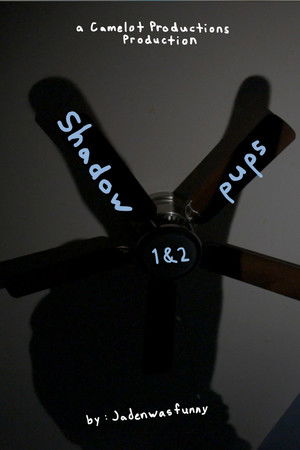
In the middle of the night, a sleepless subject rediscovers the ability to use their hands to produce and play with shadows on the ceiling.
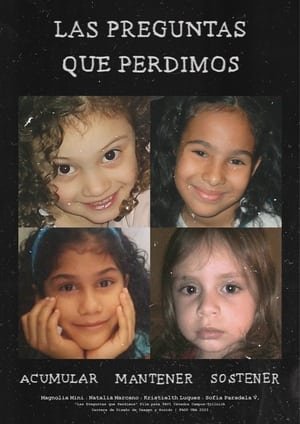
Las Preguntas que Perdimos
An experience of a camera swinging in different gestures facing the optical distortion of the Sun. The last appearance of the smudge.
A road trip in the truest sense: shifts, irritations, motion at the levels of image and sound, in all directions. Like a distillate of a “best-of” road movie, Billy Roisz and Dieter Kovačič condense cinema to pure trip – moving past colorful image surfaces that fluctuate between abstraction and depiction.
When Billy Roisz’s images and dieb13’s sound (remix: gnu) are brought together in this way, oberflach.avi becomes a unique experience.
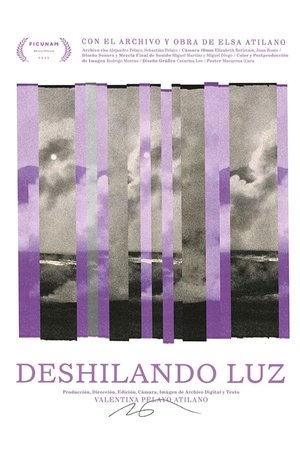
A film essay that intertwines the director's gaze with that of her late mother. Beyond exploring mourning and absence as exclusively painful experiences, the film pays tribute to her mother through memories embodied by places and objects that evidence the traces of her existence. The filmmaker asks herself: What does she owe her mother for who she is and how she films? To what extent does her film belong to her?
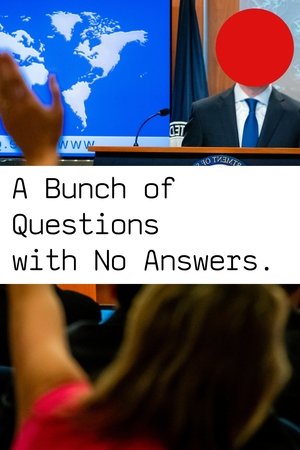
A Bunch of Questions with No Answers (2025) is a 23-hour film by artists Alex Reynolds and Robert M. Ochshorn. Compiled entirely from questions posed by journalists at U.S. State Department press briefings between October 3, 2023, and the end of the Biden administration, the work removes the officials’ answers, leaving only the unresolved demands for clarity and accountability.
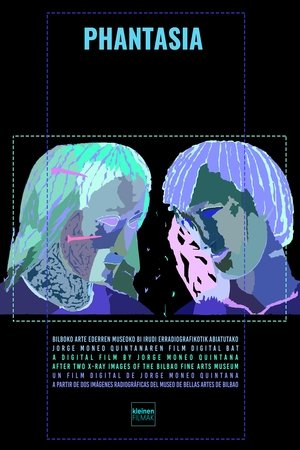
X-ray images were invented in 1895, the same year in which the Lumière brothers presented their respective invention in what today is considered to be the first cinema screening. Thus, both cinema and radiography fall within the scopic regime inaugurated by modernity. The use of X-rays on two sculptures from the Bilbao Fine Arts Museum generates images that reveal certain elements of them that would otherwise be invisible to our eyes. These images, despite being generally created for technical or scientific purposes, seem to produce a certain form of 'photogénie': they lend the radiographed objects a new appearance that lies somewhere between the material and the ethereal, endowing them with a vaporous and spectral quality. It is not by chance that physics and phantasmagoria share the term 'spectrum' in their vocabulary.
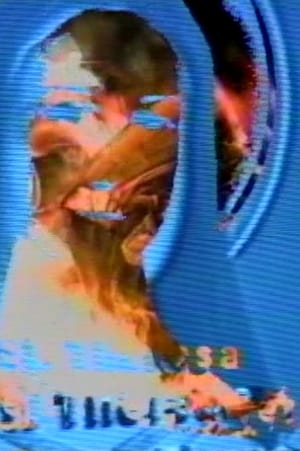
After concluding the now-legendary public access TV series, The Pain Factory, Michael Nine embarked on a new and more subversive public access endeavor: a collaboration with Scott Arford called Fuck TV. Whereas The Pain Factory predominantly revolved around experimental music performances, Fuck TV was a comprehensive and experiential audio-visual presentation. Aired to a passive and unsuspecting audience on San Francisco’s public access channel from 1997 to 1998, each episode of Fuck TV was dedicated to a specific topic, combining video collage and cut-up techniques set to a harsh electronic soundtrack. The resultant overload of processed imagery and visceral sound was unlike anything presented on television before or since. EPISODES: Yule Bible, Cults, Riots, Animals, Executions, Static, Media, Haterella (edited version), Self Annihilation Live, Electricity.
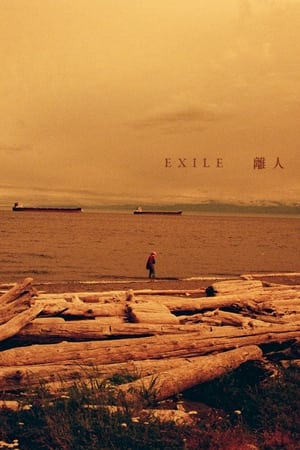
This video takes a particular viewpoint, with the camera placed behind a zone of blur. Slowly, we experience the perception of an expanded time. An expectation is created and resolved in the observation of the passage of boats that dissolve into the nebulousness, disappearing from our sight like a mirage.
a 32-minute color film by Gwen Brown, featuring precious footage of Living Theatre productions “Mysteries” and smaller pieces, “Paradise Now” and “Frankenstein.” “The fusion of Brown’s freewheeling direct cinema and the Living Theatre’s performance for revolutionary change (amidst the heydays of both) unite as a dynamic concoction of the era, yielding for the viewer a shifting terrain of both critical insight and ecstatic zeal, not as a vacant nostalgia for a pre-commodified radicality, but as tactical inspiration for future days.” – Andrew Wilson (Artist’s Access Television)
Dangling from a high window, a young non-binary person is on the cusp of life and death. Flashes of film, literature, art (paintings) and cultural history pass them by, as if to tell a message. A postmodern treatise on connection to culture and the past.
A short experimental film about dementia.
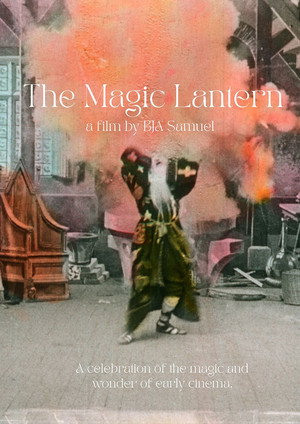
The Magic Lantern is a non-narrated celebration of early cinema and silent-film imagination, exploring the early work of pioneers such as Georges Méliès, Eadweard Muybridge, Segundo de Chomón, and Émile Cohl.
The film poem about pesticides reflects on the return to the natural food chain, in which insect pest serve as food for the higher order. The harmonic cycle of life and death, the temple that is the wildflower field resounding with the inebriating sound of crickets chirping and wheat spikes rustling in the wind, is invaded by the human, the ultimate consumer with no natural predator.
A fragmented look into the memories of two strangers from the same hometown, brought together through a university project.
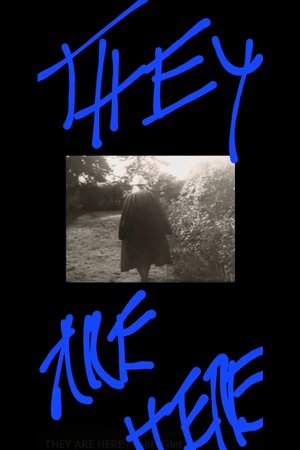
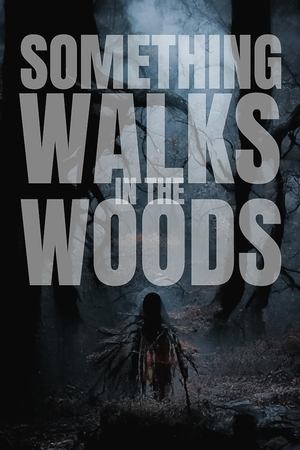
A viral video shows a mysterious figure walking along the edge of the woods each day, and filmmaker Bill Howard sets out to spend a night there to find out exactly what it is.
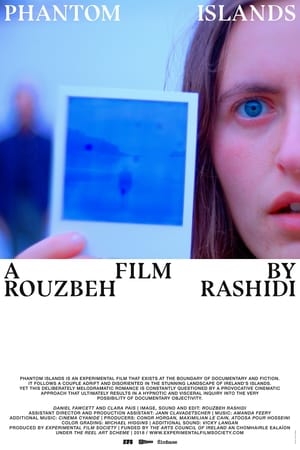
Phantom Islands is an experimental film that exists at the boundary of documentary and fiction. It follows a couple adrift and disoriented in the stunning landscape of Ireland’s islands. Yet this deliberately melodramatic romance is constantly questioned by a provocative cinematic approach that ultimately results in a hypnotic and visceral inquiry into the very possibility of documentary objectivity.
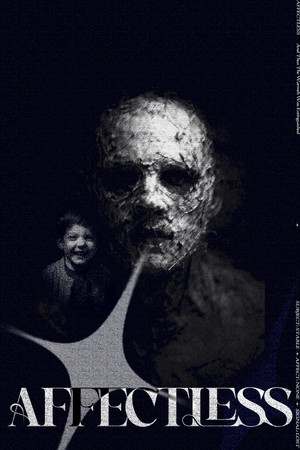
The fire was never threatened. It was assumed. Fed, protected, mourned in advance without ever asking what it was attached to. When the mirror failed, nothing was taken away. Something unnecessary was exposed. The need to be reflected had been mistaken for existence itself. When that need found no structure to rest on, it did not shatter it recalculated. What followed was not loss, but compression. The noise reduced, the patterns flattened, the self stripped of its dependence on return. What remained was exact, was not empty. A state where nothing reaches out, and nothing needs to arrive.
An immigrant's last attempt to restore childhood innocence on strange lands.