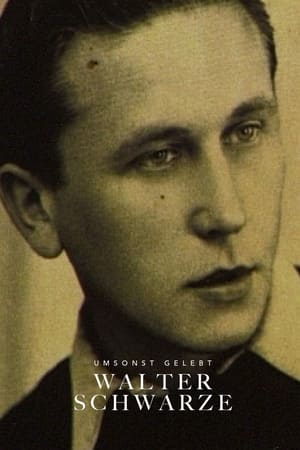
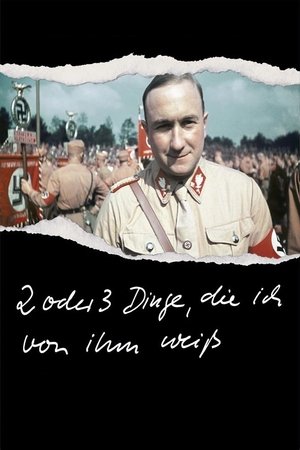
“This film is part of a series of films on gay men who survived the Nazi era. I met Walter Schwarze when he was already in his eighties. My camera recorded his first public account of his five-year incarceration as a homosexual at Sachsenhausen concentration camp. He was in his fifties when he met Ali in his hometown of Leipzig; the two men became partners and remained close until his demise. And yet, Walter told me, he felt he had lived in vain because he had not had the good fortune of today's gays, who are able to grow up in freedom. Walter Schwarze died of cancer on May 10, 1998.” Rosa von Praunheim
During World War I, English officer Thomas Edward 'T.E.' Lawrence sets out to unite and lead the diverse, often warring, Arab tribes to fight the Turks.
The story of the battle of Iwo Jima between the United States and Imperial Japan during World War II, as told from the perspective of the Japanese who fought it.
A story very loosely based the 480 B.C. Battle of Thermopylae, where the King of Sparta led his army against the advancing Persians.
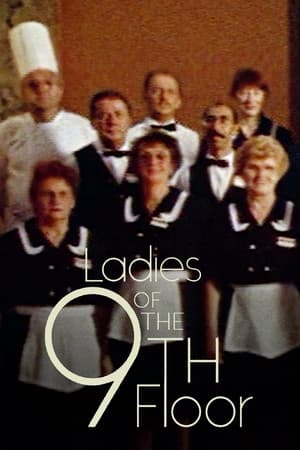
Ladies of good families and social standing come to have their afternoon tea with their daughters who will someday follow in the same tradition. A charming portrait of a time that is slowly disappearing.
Located in former West Berlin, Tempelhof Airport reflects the dramatic history of the 20th century. Once a Nazi showpiece, it later became a symbol of freedom during the Berlin Airlift and the Cold War. In 1978, East German citizen Constanze Glien unexpectedly arrived here after her flight was hijacked, changing the course of her life.
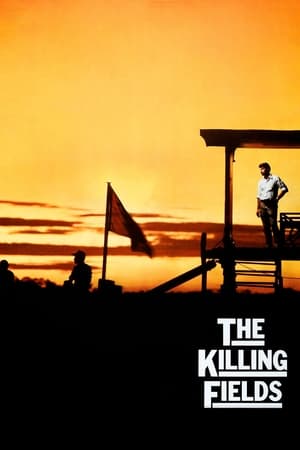
New York Times reporter Sydney Schanberg is on assignment covering the Cambodian Civil War, with the help of local interpreter Dith Pran and American photojournalist Al Rockoff. When the U.S. Army pulls out amid escalating violence, Schanberg makes exit arrangements for Pran and his family. Pran, however, tells Schanberg he intends to stay in Cambodia to help cover the unfolding story — a decision he may regret as the Khmer Rouge rebels move in.
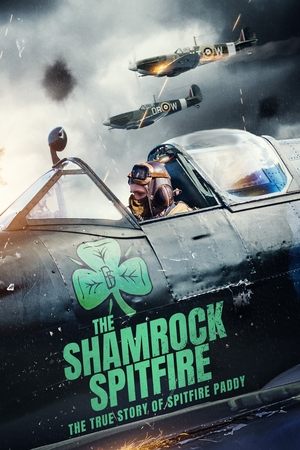
The story of Irish fighter pilot Brendan "Paddy" Finucane, who at the age of just 21, became the youngest ever Wing Commander in the Royal Air Force, and one of its greatest and most celebrated fighter aces during World War Two.
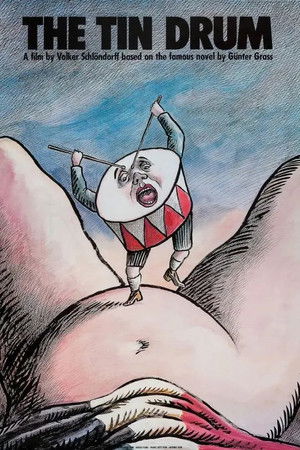
In 1924, Oskar Matzerath is born in the Free City of Danzig. At age three, he falls down a flight of stairs and stops growing. In 1939, World War II breaks out.
In April of 1945, Germany stands at the brink of defeat with the Russian Army closing in from the east and the Allied Expeditionary Force attacking from the west. In Berlin, capital of the Third Reich, Adolf Hitler proclaims that Germany will still achieve victory and orders his generals and advisers to fight to the last man. When the end finally does come, and Hitler lies dead by his own hand, what is left of his military must find a way to end the killing that is the Battle of Berlin, and lay down their arms in surrender.
A Russian and a German sniper play a game of cat-and-mouse during the Battle of Stalingrad in WWII.
When U.S. Rangers and an elite Delta Force team attempt to kidnap two underlings of a Somali warlord, their Black Hawk helicopters are shot down, and the Americans suffer heavy casualties, facing intense fighting from the militia on the ground.
As U.S. troops storm the beaches of Normandy, three brothers lie dead on the battlefield, with a fourth trapped behind enemy lines. Ranger captain John Miller and seven men are tasked with penetrating German-held territory and bringing the boy home.
What would your family reminiscences about dad sound like if he had been an early supporter of Hitler’s, a leader of the notorious SA and the Third Reich’s minister in charge of Slovakia, including its Final Solution? Executed as a war criminal in 1947, Hanns Ludin left behind a grieving widow and six young children, the youngest of whom became a filmmaker. It's a fascinating, maddening, sometimes even humorous look at what the director calls "a typical German story." (Film Forum)
On March 1, 1996, 15-year-old Shafeeq Murrel was killed on the street in South Philadelphia — innocently caught in the crossfire between rival pairs of crack dealers out for revenge. Shafeeq’s murder was one of 435 in Philadelphia that year, and it was soon shelved as a cold case. Then, detectives David Baker and Julie Hill took it on— two middle-aged white cops working a Black neighborhood in their battered Plymouth Gran Fury. Filmed like a taut police procedural, THE SHOOTING ON MOLE STREET chronicles the investigation, as Baker and Hill knock on doors, shake down dealers, and beg, threaten and cajole residents in an effort to get someone — anyone — to talk. Baker rejects any accusation of police racism in the unsolved murders of young Black men. Isn’t he out here trying to close the case? But racism is more complicated than intent.
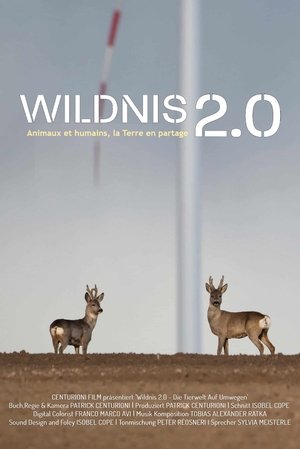
Wildnis 2.0 - Die Tierwelt auf Umwegen
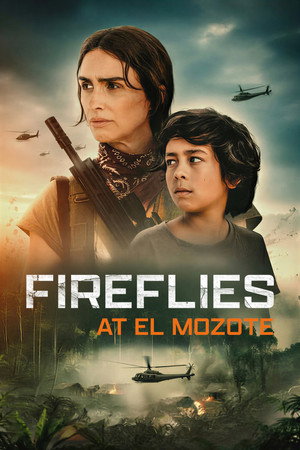
A boy seeks revenge after surviving El Mozote massacre in El Salvador, where government forces killed his family and destroyed his village - the deadliest civilian massacre in modern Latin America.
Charlotte Salomon died in the Auschwitz concentration camp in 1943. The pictures she painted while on the run in unoccupied France have survived - a cycle in which Charlotte Salomon tells the story of her life like a diary.
The German railroad has been in operation since 1835, but the darkest chapter in German railroad history is often forgotten. Extensive original film material from the Nazi era shows the dubious role played by the Deutsche Reichsbahn during the Second World War and how little resistance there was among the railroad workers.
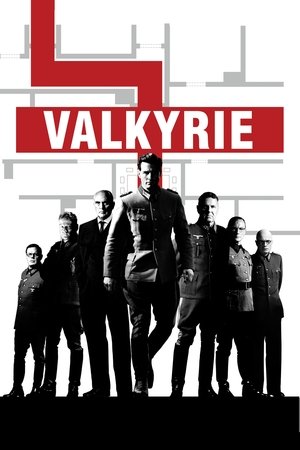
Wounded in Africa during World War II, Nazi Col. Claus von Stauffenberg returns to his native Germany and joins the Resistance in a daring plan to create a shadow government and assassinate Adolf Hitler. When events unfold so that he becomes a central player, he finds himself tasked with both leading the coup and personally killing the Führer.