Intertwined stories of people fighting for love, survival and the truth during quarantine.
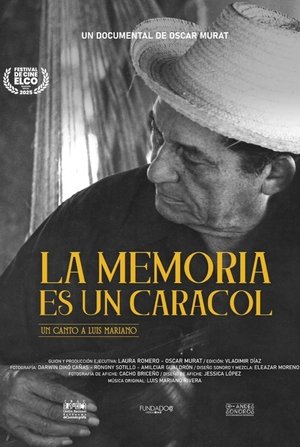
Documentary about the life of Luis Mariano Rivera.
Documentary about the life of Simón Bolívar, directed by Antonio Bacé.
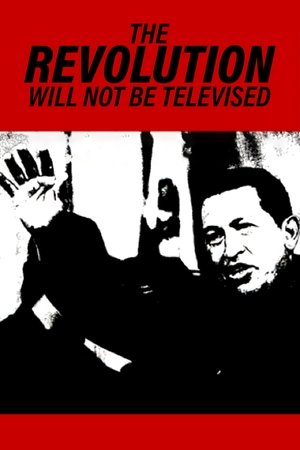
Hugo Chavez was a colourful, unpredictable folk hero who was beloved by his nation’s working class. He was elected president of Venezuela in 1998, and proved to be a tough, quixotic opponent to the power structure that wanted to depose him. When he was forcibly removed from office on 11 April 2002, two independent filmmakers were inside the presidential palace.
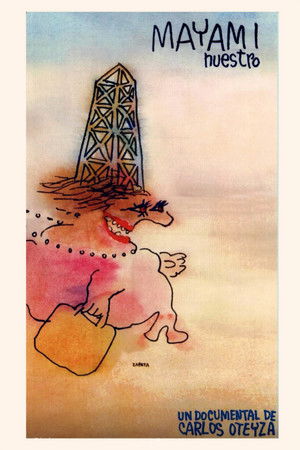
Mayami Nuestro goes beyond the slogan "tá barato, dame dos" (“it’s cheap, give me two”) to force a rethinking of Venezuela’s relationship with oil and national identity. Produced at the height of the oil boom, this 34-minute documentary examines Venezuelan lifestyles in the 1970s and early 1980s, questioning the consumerist fantasies fueled by petro-wealth. Through interviews with merchants, bankers, U.S. academics, and the testimonies of Venezuelans themselves, the film maps the era’s version of the “American Dream” as lived—and projected—abroad. Winner of national and international awards and directed by Carlos Oteyza, Mayami nuestro offers a sharp, historically grounded critique and an open invitation for new generations to reflect on the legacy of oil and its cultural consequences.
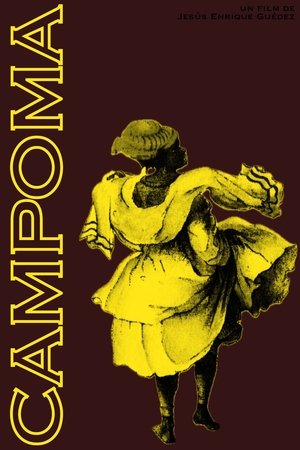
Short that tells the history of Campoma, a small Venezuelan town founded by black slaves.
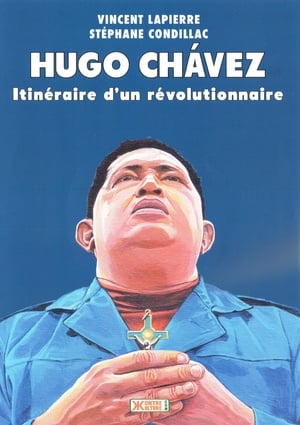
Hugo Chávez: Itinéraire d'un révolutionnaire
Imagen de Caracas was an experimental film spectacle, directed by Jacobo Borges and Mario Robles in 1968 for the 400 anniversary of the foundation of Caracas. It needed more than 48768 meters of film and 5000 actors.
In 1969, the Renovación Universitaria movement and the subsequent raid on the Central University of Venezuela by the government of Rafael Caldera, triggered a strong wave of protest in the Institutes of Higher Education in Venezuela. This documentary collects part of the events that took place in the city of Mérida, Mérida State, where the University of the Andes is located.
Cruz Quinal, "the mandolin king," lives near Cumana in a mountain valley surrounded by sugarcane fields. Perpetuating 16th century Spanish traditions of guitar-making, Cruz fashions such musical instruments as cuatros, marimba, escarpandola, and his own creation, a mandolin with two fretboards. He is an accomplished musician as well. In this moving portrait, Cruz compares himself to a decaying colonial church across the street: revered yet neglected, the village altar stands, paint peeling, under the open sky.
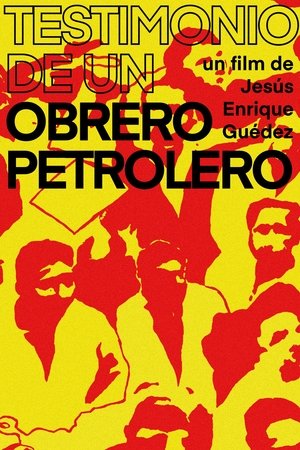
Trade union leader Manuel Taborda, a pioneer of workers' organisations in the oil industry, recounts his experiences and those of his colleagues from 1920 to 1936, with an emphasis on the struggles against foreign companies and the government.
When what was meant to be a joyous day turns into a dark revelations; Anisola Williams is forced to confront her hidden past.
Franka turned twenty and moves out from her parents’ home due to feuds with her domineering fa-ther. She goes to the apartment inherited from her grandmother, where she runs into illegal occupant and law student Ante. Instead of throwing him out, Franka lets Ante stay for a few days. What starts as a romance, soon turns to a nightmare that, coupled with a newly struck friendship with a troubled co-worker Stela not only tests Franka’s character, but also helps her to realise what she wants out of life.
Several stateless young refugees create an ideal country on an abandoned platform in the sea but struggle with real differences of communication, habits, desires and idea for freedom.
An Indian man, Surya, and a Spanish woman, Sasha, fall in love much to the disapproval of Surya's parents (Om and Alamelu) even though they had also acted in defiance of their elders.