A jetliner spans the miles, sheering through clouds to open sky and scenic vistas of the provinces below. Glimpses of town and country, of people of many ethnic origins, of a resourceful and industrious nation - impressions it would take days and weeks to gather at first hand - are brought to you in this vivid 1800-kilometer panorama.
This film visits many of the neighborhoods and landmarks on Manhattan Island and occasionally includes a history lesson. The neighborhoods include the Bowery, Chinatown, Herald Square, and Times Square. Some of the architectural highlights are the Empire State Building, the New York Public Library, Temple Emanuel, the Central Park Zoo, and the Rockefeller Center complex. The film ends with a visit to a dining room in the Waldorf Astoria Hotel, where the Xavier Cugat Orchestra entertains.
Much-loved actress, comedian and writer Mel Giedroyc heads to Dorset on a travel adventure with a twist. Inspired by her passion for books, Mel hooks up with her friend and Dorset local, Martin Clunes, to explore the spectacular scenery and iconic locations made famous by some of Britain's favourite books and films.
Hear the Lama band, see the sacred dances: welcome to Sikkim, in the shadow of the Himalayas.
Amateur film featuring government buildings in Delhi, a shooting party in Malakand and winter in Abbottabad.
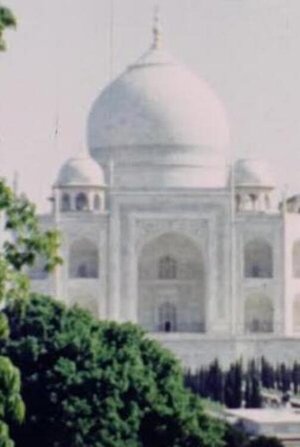
This travelogue takes in some of the most important landmarks of Islamic power in India.
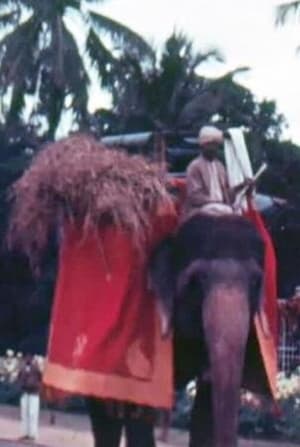
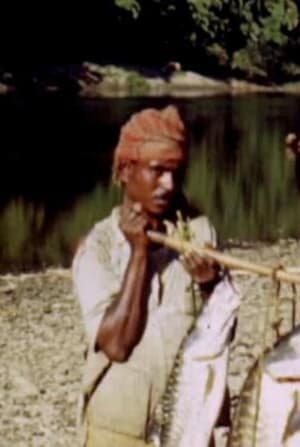
Two sides of Mysore: down to earth with the field workers and an Indian spectacle for the Maharaja.
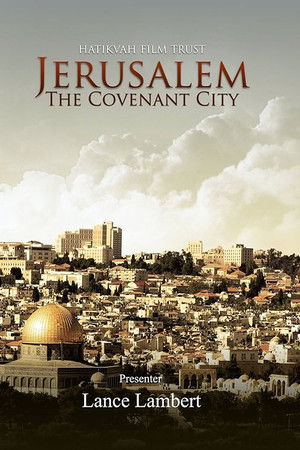
In this superbly produced, two-part documentary, you'll trace the holy city's prophetic history and explore what the Bible professes regarding Jerusalem's fate.
This official travelogue of a royal tour follows the Prince on a series of regimental displays and a tiger hunt.
The future Edward VIII enjoys receptions, playing polo and hunting tigers on his royal tour.
The future Edward VIII enjoys a stately procession and visits the Taj Mahal before meeting senior Indian royalty.
The future Edward VIII visits his Empire, with Indian royalty, elephants, palaces and temples.
Details the German bombing of London the night of the 29th of December, in 1940.
From practicing barefoot on the streets of Lagos to performing on stage in England, twelve year old Anthony Madu leaves his home in Nigeria to study at one of the most prestigious ballet schools in the world. Anthony, who had barely left his neighborhood in Lagos, finds himself thrust into a new world where his wildest dream is suddenly within reach. His journey is a story of extraordinary obstacles, courage, growth, and ultimately, his search for belonging.
This early travelogue film, made in a Kenyan train station, captures an impromptu musical performance. Some passengers eagerly join in while others sleep—blissfully unaware of the performance taking place around them.
Professor Niall Ferguson argues that Britain's decision to enter the First World War was a catastrophic error that unleashed an era of totalitarianism and genocide.
In the 19th century, China held the monopoly on tea, which was dear and fashionable in the West, and the British Empire exchanged poppies, produced in its Indian colonies and transformed into opium, for Chinese tea. Inundated by the drugs, China was forced to open up its market, and the British consolidated their commercial dominance. In 1839, the Middle Empire introduced prohibition. The Opium War was declared… Great Britain emerged as the winner, but the warning was heeded: it could no longer depend on Chinese tea. The only alternative possible was to produce its own tea. The East India Company therefore entrusted one man with finding the secrets of the precious beverage. His mission was to develop the first plantations in Britain’s Indian colonies. This latter-day James Bond was called Robert Fortune – a botanist. After overcoming innumerable ordeals in the heart of imperial China, he brought back the plants and techniques that gave rise to Darjeeling tea.
The future Edward VIII opens a durbar and enjoys a day at the races before inspecting the fire brigade in Calcutta.
A year ago a place known among Muscovites called Pravda (formerly the largest publishing house of the USSR of the same name was located in this complex) promised to become a center of urban culture. The residents of this space will tell what the truth is for them now.
In the late 16th century Europe was in the grip of a ferocious witch hunt, where thousands were tortured and burnt at the stake. The church was fully behind this terrifying crusade against the imaginary enemies of Christianity. In France and Germany alone up to 40,000 people may have been killed as witches. But England and Scotland were almost untouched by witch persecutions until King James himself decided to launch his own, personal war on witchcraft.