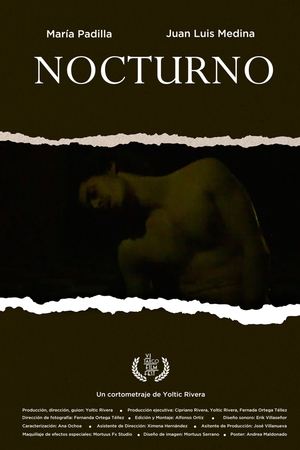
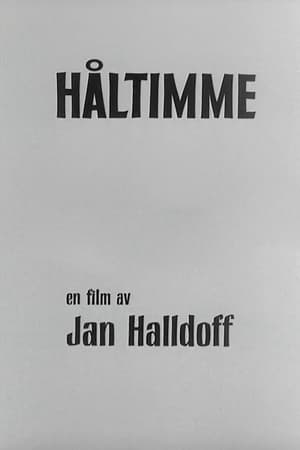
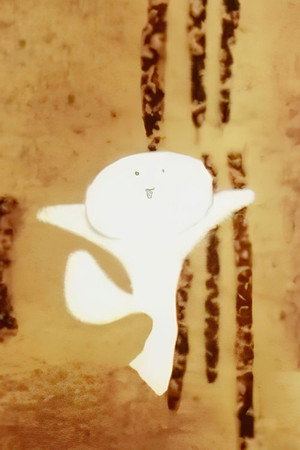
The title comes from Sergei Yesenin's last poem before comiting suicide. Using Virginia Woolf's last letters as a base, this film is meditation on the power of the word and its undertsanding and the the last moments before saying "goodbye".
Jamil, a soldier in the Bedouin defense forces during a war between Syria and Turkey, deserts his regiment but later returns to save children of a missionary’s orphanage who are at risk of being enslaved or killed by the Turks.
An expelled horse owner clears his name and wins the Grand National.
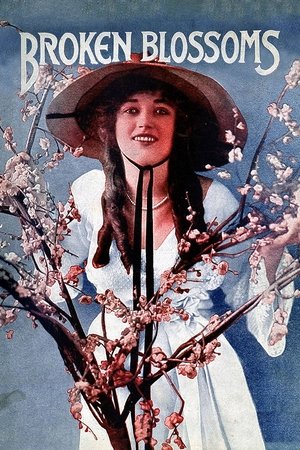
A young woman becomes infatuated with the leading man of a traveling theatrical troupe. She sneaks away to join him in the next town, but her father forces her to return home...
Polyteekkarifilmi (Polytekarfilmen) is a Finnish silent documentary film dating from 1924. The subtitle of the documentary is "The story of sport, polytheists and the gods of Olympia". The film aimed to raise travel funds for Finnish athletes traveling to the Paris Olympics.
After Matti is stabbed to death at his own wedding, Eero of Ojelmiston becomes a suspect, presumed to have avenged his recently deceased wife. Eero escapes with the help of a court judge but surrenders after his mother gets into trouble. At the courthouse, the priest admits that Vieremä Jaska confessed to the crime on his deathbed. The film has survived, but without subtitles.
The main characters are the artist Bertel von Bjelke and Hilkka Kanno the adopted daughter of the town councilor. Bertel is in love with Hilka, who, however, behaves badly with the artist. This does not prevent the artist from asking for the girl's hand from the town councilor Kanno, who accepts his friend's request. Kanto stresses, however, that the final decision is up to his daughter.
In northern Finland in the fall of 1916, Saima Niva rescues a man drifting in the river, who turns out to be a German lieutenant Braun. Braun and his six comrades have managed to escape the prisoner of war at the Muurmann railway station, but the lieutenant has had to get rid of the lost group. While Braun is recovering, under the good care of Saima, Niva's neighbor and henchman of the gendarmes, the greedy policeman Simpura, gets a tip about the refugees camped in the desert.
When the general manager of the factory, Lumiala returns from his travels, he learns that his wife Anna has hired a young man named Oras as an office assistant. Anna, who feels Oras is the fruit of his youthful sin, is ready to defend the boy despite his family's petitions and Ora's crimes. Ora's girlfriend Pansy also tries to keep him on the right track.
Eero Luotola is a pilot operating in Kalliosaari, whose crush is Annikki, who lives in the same village. They have known each other since childhood and have promised to get married at some point.
Forester Antti Kare and manager John Freyberg travel north in search of millions worth of timber sales. The manager's giddy daughter Margit also secretly joins the journey.
Jaakkola, a priest with a bad memory, gets a prescription for a spa day from Dr. Viljo. Ruustinna plans to bring her daughter Elina and the local doctor together. Jaakkola finds the mail he forgot in his pocket, including an important wedding invitation. Rovasti and Ruustinna plan to stop at the wedding on the way to the spa, but things get complicated and there are enough misunderstandings in the knots of love.
This experimental nature documentary by Minna Rainio and Mark Roberts depicts climate change and the wave of extinction from the point of view of our near future. Actually, it depicts the age we live in now, or rather its fateful consequences.
Finland’s first nature documentary. The filmmakers’ expedition leads them all the way to the Åland Islands and the Karelian Isthmus.
A collective of office girls and their tribulations in the male world, female solidarity, the place of women in the labor and civil rights struggles and the conflict between love and work.
An adventure film with Benshi performers. Sometimes considered the 'first Japanese feature film', it survives today as a compilation of scenes from various different 1910s adaptations totaling nearly three hours in length. The bulk of the content comes from the 1911 adaptation by legendary Japanese filmmaker Makino Shozo.
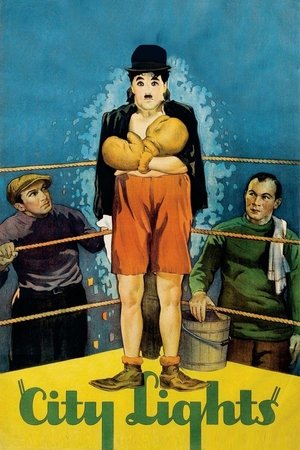
At Thanksgiving, a tramp arrives in a homeless-hostile town.
An army pilot is visiting the home of another army pilot in a neighboring country, and falling in love with his sister, when war breaks out.
L. Frank Baum would appear in a white suit and present his live actors, slide shows and films as a live travelogue presentation of his popular fantasies. Highlights include Dorothy being swept to Oz in various ways, such as with back-projection tornadoes and storms in a chicken coop. Lack of financial backing forced the show to fold after appearing in only two cities, despite being a critical and commercial success. This film is lost.
In 1908, Director/Producer Shozo Makino (father of Japanese cinema) directed and produced the first dramatic film in Kyoto. “Honnô-ji Gassen” was shot at Shinnyo-Do Temple. Considered a lost film.