"My last image of Jonas."—Ken Jacobs
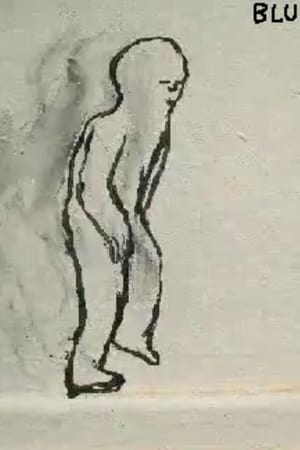
A short movie about a guy living in his own world.
An anthology of one-minute films created by 51 international filmmakers on the theme of the death of cinema. Intended as an ode to 35mm, the film was screened one time only on a purpose-built 20x12 meter public cinema screen in the Port of Tallinn, Estonia, on 22 December 2011. A special projector was constructed for the event which allowed the actual filmstrip to be burnt at the same time as the film was shown.
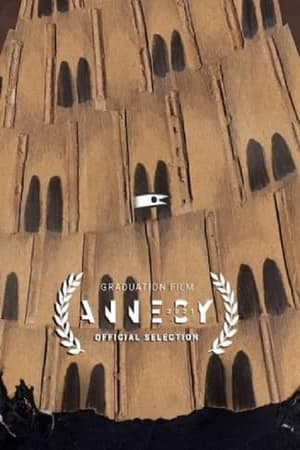
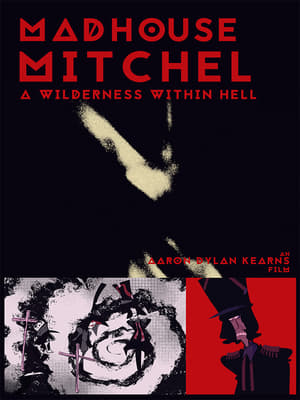
Creeping from the halls of the maze brain, corruption and terror is woven by devils born from the denied errors of mankind.
Bill struggles to put together his shattered psyche.
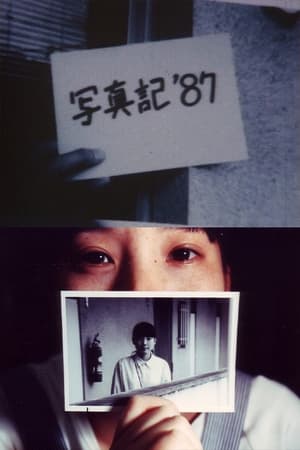
I turned my gaze to the various events in daily life and made this filmic diary in a manner as if confessing my feelings. Of course, since I was making the film, I wanted to depict these feelings and events with tricky techniques. I used various methods to shoot photographs of a relative's wedding, the landscape I see from window of my house, commemorative travel photographs and the like frame-by-frame.
A short film advertising the newspaper Sztandar Młodych (The Banner of Youth), noteworthy for its abstract elements painted directly onto film stock. An attempt at showing the complexity of the world in a capsule, the film reflects the new policy of the openness to the West during the Thaw of the late 1950s in Poland.
Untitled / Aubrac
Eye-popping digital moving image work with an equally arresting soundtrack from noise music heavies.
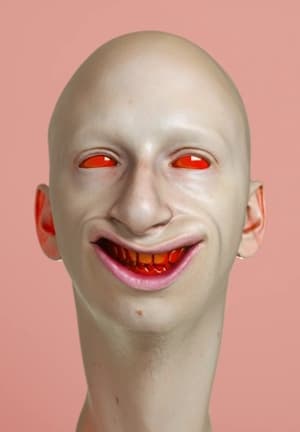
Slow disintegration and aging of artists head, revealing underlying bone structure. Created using old picture-phone technology. New music added in 2013.
Hand painted directly onto film stock by Margaret Tait, this film features animated dancing figures, accompanied by authentic calypso music.
The film was produced applying mixed techniques on Super 8 film support.
PUEDO VER TODO MENOS MIS OJOS
Images of two women, two men, and a gray cat form a montage of rapid bits of movement. A woman is in a bedroom, another wears an apron: they work with their hands, occasionally looking up. A man enters a room, a woman smiles. He sits, another man sits and smokes. The cat stretches. There are close-ups of each. The light is dim; a filter accentuates red. A bare foot stands on a satin sheet. A woman disrobes. She pets the cat. Preserved by the Academy Film Archive in 2006.
Seemingly at random, the wings and other bits of moths and insects move rapidly across the screen. Most are brown or sepia; up close, we can see patterns within wings, similar to the veins in a leaf. Sometimes the images look like paper cutouts, like Matisse. Green objects occasionally appear. Most wings are translucent. The technique makes them appear to be stuck directly to the film.
After the title, a white screen gives way to a series of frames suggestive of abstract art, usually with one or two colors dominating and rapid change in the images. Two figures emerge from this jungle of color: the first, a shirtless man, appears twice, coming into focus, then disappearing behind the bursts and patterns of color, then reappearing; the second figure appears later, in the right foreground. This figure suggests someone older, someone of substance. The myth? Preserved by the Academy Film Archive in 2012.
An experimental film in which both sound and visuals were created entirely by Norman McLaren drawing directly upon the film with ordinary pen and ink. The main title is in eight languages. Rereleased with multilingual titles in 1949.
The sad and happy times of a young girl and her bear doll, a young mouse and his family, a sycamore tree, an old lamp post, a hoodlum moth and an alleyway full of posters coming to life.
The creation of Earth and Mankind. And how God changed his mind.
In a city inhabited by drawn beings, an indigenous boy witnesses a holographic appearance. It is the arrival of an entity of unknown materiality. With a mysterious presence and exotic allegories, it starts to enchant the residents, awakening their most insane senses.