Waldorf global: Eine Schule geht um die Welt
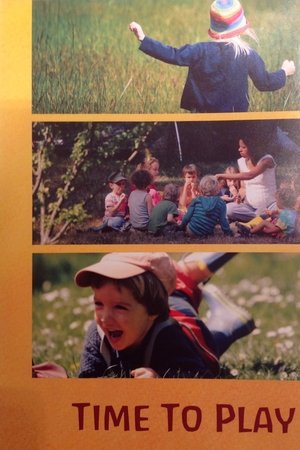
The concern that we are not allowing the proper time and space for early childhood is what has stimulated the move to make this film with the idea of generating conversation among adults about what we can do to support our little ones in this ever busier, more auto- mated, less loving, and often harsh world that they have come into. l hope this glimpse into our class can fulfill its purpose and stimulate the conversations we need to have in order to create a new paradigm in the way we under- stand early childhood: the significance of family and home, of rhythm and routine, invoking wonderful rela- tionships with each other and the earth, the impor- tance of time and space for deep, meaningful play... My concern in a nut shell, is for the future of humanity.
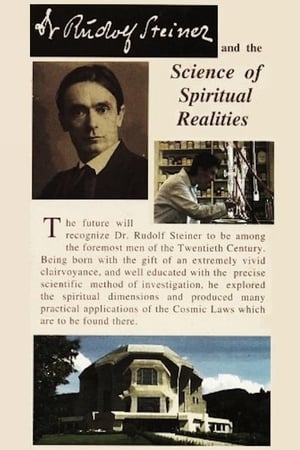
This television documentary takes us on a fascinating journey into the realms just beyond our five senses, where thoughts are things and creation begins. Rudolf Steiner not only found how to experience these areas directly, in a very safe and methodical manner, but he also developed specific techniques which, if utilized in the right way and with the proper intention, enable the individual to have insight into the spiritual realities. In addition to learning of this extraordinary individuality, we meet some of the men and women who are utilizing the impulses brought by Dr. Steiner to expand and enhance their specific vocations in very practical ways, e.g. education, agriculture, medicine, astronomy, mathematics, architecture, the arts, and working with retarded children and adults.
This DVD gives an impression of a typical school day in an American Waldorf/Rudolf Steiner School. Teachers, parents, and pupils describe what is essential for them at their school and explain their reasons for choosing Waldorf (education).
This short film introduces some of the fundamentals of Waldorf education. Originally produced for the Steiner Schools Fellowship.
An overview of waldorf education from the Sacramento Waldorf School.
Waldorf education overview from the perspective of the Toronto Waldorf School.
Explains the early childhood practices and philosophy of the RIE system.
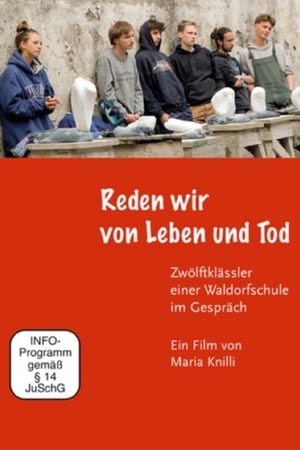
Reden wir von Leben und Tod
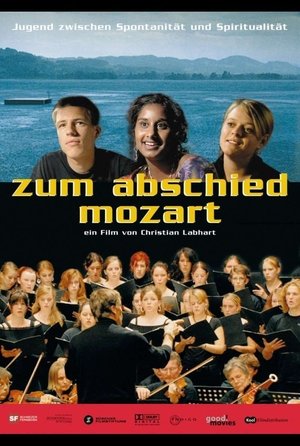
Zum Abschied Mozart
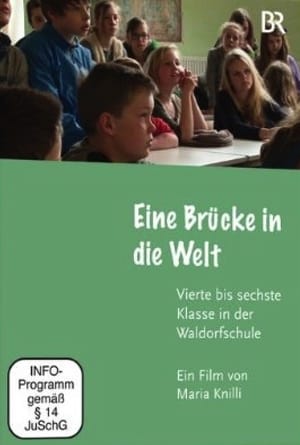
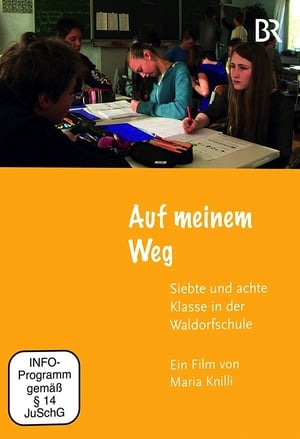
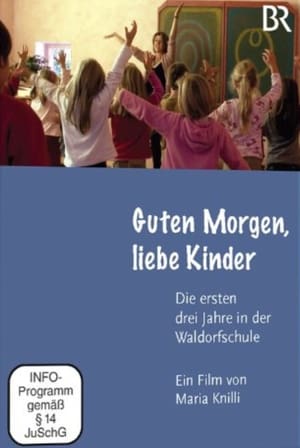
Writing, reading, arithmetic. Building a house, ploughing a field. English, French. Filmmaker Maria Knilli shoots inconspicuously among the children. The small and large learning steps become visible, the relationships between each other and the atmosphere in which learning takes place: the tender seriousness, the intimate curiosity, the communal enthusiasm.
Eine Brücke in die Welt
Auf meinem Weg
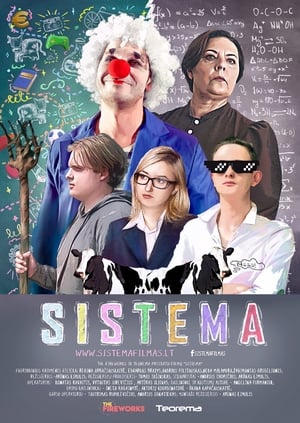
Loser clown Andrius becomes principal of the school and fights the iron fist system of his deputy Stefanija, to help kids overcome their complexes and free their inner powers.
Images of Stockholm and the people who live there set to music.
In this original and funny self-portrait, moving between hope, despair and heartbreak, we follow the main character Rogier Kappers for seven years. He wants to realize the dream he had as a nine-year-old boy: to become a famous musician playing the glass organ, an instrument made of singing glasses. Boundless optimism or naive impulsivity?
Gerlach van Beinum is one of the last old-school crop farmers near Amsterdam. Surrounded by the advancing exponents of modernity—distribution centers, highways, multinationals—he moves through the seasons at his own pace. We follow him for several years in his fields on the outskirts of Amsterdam. With the help of his best friend Rinus, he grows potatoes, beetroot, grain, and strawberries, which he sells from his barn. In between these activities, his farmhouse proves to be a gathering spot for neighbors and friends, who share with him their dry wit and simple joy.
After the adoption of a very unusual pet by this girls mom, she will have to come to terms with living with a seagull named Espanhola.
Ferraty
In the Netherlands, colonial history is slowly but surely being rewritten. It has long been clear that what the Dutch government at the time described as “police actions”—the deployment of the army in response to Indonesia’s declaration of independence in 1945—was in fact an unlawful war. Nonetheless, the use of the term “war crimes” is still sensitive. This documentary reveals how far the Dutch rulers went in selling the war as a domestic affair, intended to restore peace among the population. Unique, often shocking images tell a different story. Filmmaker In-Soo Radstake holds extensive interviews with international experts who explain the complex relationships in the former colony and set out the global context.