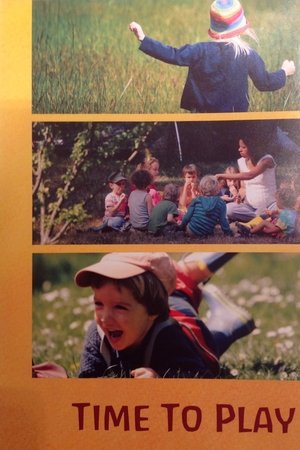
The concern that we are not allowing the proper time and space for early childhood is what has stimulated the move to make this film with the idea of generating conversation among adults about what we can do to support our little ones in this ever busier, more auto- mated, less loving, and often harsh world that they have come into. l hope this glimpse into our class can fulfill its purpose and stimulate the conversations we need to have in order to create a new paradigm in the way we under- stand early childhood: the significance of family and home, of rhythm and routine, invoking wonderful rela- tionships with each other and the earth, the impor- tance of time and space for deep, meaningful play... My concern in a nut shell, is for the future of humanity.
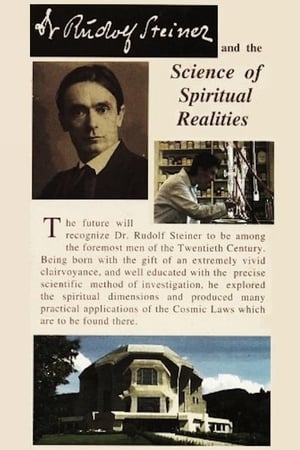
This television documentary takes us on a fascinating journey into the realms just beyond our five senses, where thoughts are things and creation begins. Rudolf Steiner not only found how to experience these areas directly, in a very safe and methodical manner, but he also developed specific techniques which, if utilized in the right way and with the proper intention, enable the individual to have insight into the spiritual realities. In addition to learning of this extraordinary individuality, we meet some of the men and women who are utilizing the impulses brought by Dr. Steiner to expand and enhance their specific vocations in very practical ways, e.g. education, agriculture, medicine, astronomy, mathematics, architecture, the arts, and working with retarded children and adults.
Explains the early childhood practices and philosophy of the RIE system.
This DVD gives an impression of a typical school day in an American Waldorf/Rudolf Steiner School. Teachers, parents, and pupils describe what is essential for them at their school and explain their reasons for choosing Waldorf (education).
Presents a glimpse of Waldorf principles through scenes filmed at the San Francisco Waldorf Kindergarten.
This short film introduces some of the fundamentals of Waldorf education. Originally produced for the Steiner Schools Fellowship.
An overview of waldorf education from the Sacramento Waldorf School.
Waldorf education overview from the perspective of the Toronto Waldorf School.
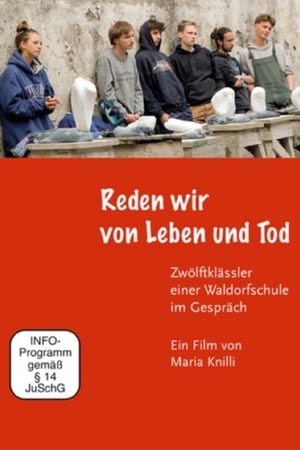
Reden wir von Leben und Tod
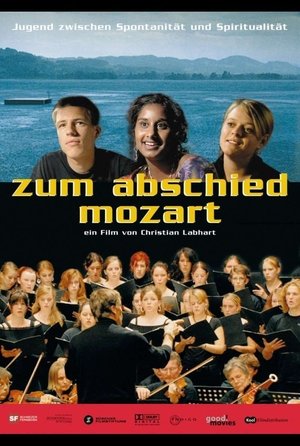
Zum Abschied Mozart
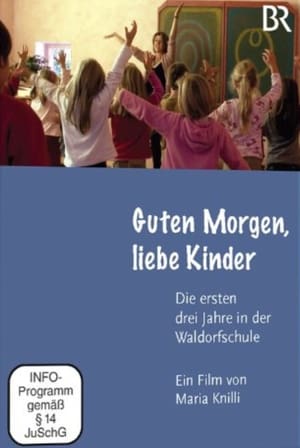
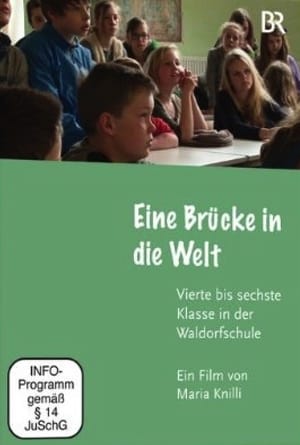
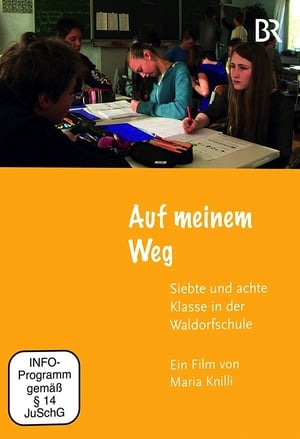
Writing, reading, arithmetic. Building a house, ploughing a field. English, French. Filmmaker Maria Knilli shoots inconspicuously among the children. The small and large learning steps become visible, the relationships between each other and the atmosphere in which learning takes place: the tender seriousness, the intimate curiosity, the communal enthusiasm.
Eine Brücke in die Welt
Auf meinem Weg
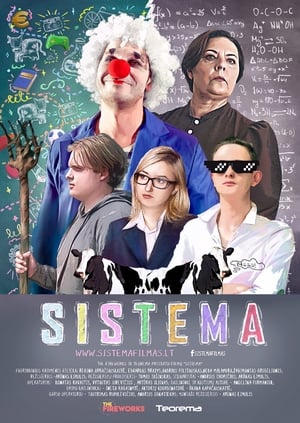
Loser clown Andrius becomes principal of the school and fights the iron fist system of his deputy Stefanija, to help kids overcome their complexes and free their inner powers.
When Luigi Mangione is charged with murder, he becomes the subject of fevered obsession. Through letters, fantasies, and conspiracies, strangers turn Luigi into a cultural sensation and a canvas for their rage, desire, and misplaced hope.
A revolution is taking place in the art world and it isn’t happening in Paris, Berlin or Hong Kong—but in Grand Rapids, Michigan. ArtPrize is the most highly attended art show in the world, and it awards cash prizes larger than all other competitions combined. International critics and general crowds pack bars, galleries and abandoned buildings all over town, taking in over 1,500 works from cerebral conceptualists and weekend hobbyists. An acclaimed jury awards a winner $200,000 and the ballot-carrying public does the same. Nimble cameras follow four artists, each vying not only for critical recognition but for every public vote they can drum up. Part classy game show, part engaging art exploration, More Art Upstairs captures the debates ArtPrize has intentionally (or inadvertently?) triggered: Can culture be democratized? Do artists need or want to connect with audiences? And is the canonical art establishment on its way out? (Myrocia Watamaniuk)
The destruction of the city and its architectural heritage during the Allied bombing of the Second World War.
Entre les lignes
Pınar Gültekin went missing on July 16, 2020, in the Ula district of Muğla, and her lifeless body was found on July 21, 2020, in a rural forested area of the Menteşe district. The murderer, Cemal Metin Avcı, first wounded Pınar, then burned her, and finally poured concrete over her body. Through Pınar’s case and historical precedents, the film exposes how impunity perpetuates these crimes while highlighting women’s hard-won legal victories and solidarity networks. It juxtaposes the brutality of her murder with her friends’ relentless campaign to preserve her memory, framing their activism as part of a broader feminist resistance. By connecting individual trauma to systemic failure, the film challenges viewers to confront both the roots of gender violence and the transformative power of collective struggle, where mourning becomes mobilization, and loss fuels demands for justice.
A real labour of love, this film is a fine demonstration of how amateur filmmakers could play a part in campaigning for local services. With the impending Beeching Report of 1963 there could hardly have been a better plea for the retention of the Settle to Carlisle railway and all its services than this traversing of the whole length of the line by train and by foot, stopping off to reveal its many wonders and recording the fascinating history of the line and of those who built it.