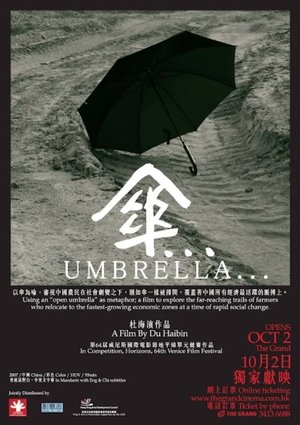
Workers, peasants, soldiers, students and merchants were five groups of Chinese society in the 1950s, after the so-called elimination of the exploited class. Borrowing this concept, the umbrella is taken as the clue to rediscover changes in various social classes after the economic reform, and to analyze the social problems in China. Workers making umbrellas, merchants selling umbrellas, students looking for jobs in the rain. Umbrella is used as a metaphor that can be seen everywhere. As the raindrop, what we see is sometimes clear, sometimes untraceable.
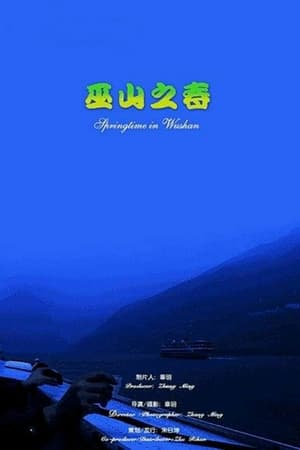
Zhang Ming went back to his hometown Wushan to record the last images before it being changed forever by the upcoming Three Gorges Dam.
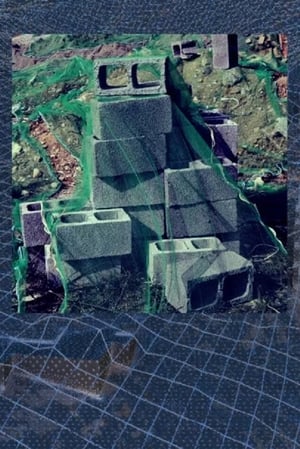
Video essay ‘Rock and Cliff' investigates the creation of Horn Town, a new model village and centre of large scale tourist development, and the experiences of rural residents moved there through government-led displacement. Horn Town is located in Wulong, a rural district near the Three Gorges Dam administered by the Chongqing municipality (a city of 30 million people). Narrated in the style of a science documentary but using local Chongqing dialect, the video brings a geological and topographical perspective to types of 'rocks' found in the area,from mythological stones from a mountain cliff, to ruins of the original settlement, to a stone sculpture from a dubious 'Land Art Biennial', in order to address issues of land acquisition, top-down development and spatial politic.
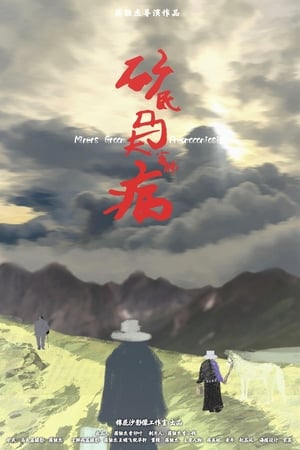
The location of Hunan's southwestern Hunan, the local economy is not active, the people either go out to work or go up the mountain to mine. Due to the constant mining disasters, despite the government's efforts to rectify and regulate, many people still illegally mine. Miners often do not pay attention to the protection of mines. Many years later, many miners have pneumoconiosis. The film started shooting in 2010 until 2018, with a filming period of nearly ten years, until the death of Zhao Pingfeng, the protagonist of pneumoconiosis, leaving young children and mentally handicapped wife.
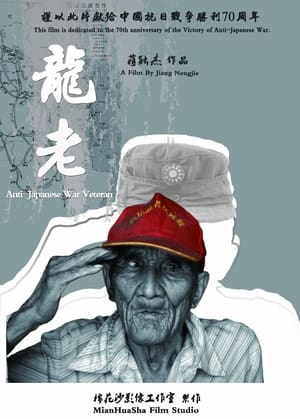
A veteran, Mr. Long’s life was full of legend. Yet, he lived his life in silence and never told others about his experience in the battlefield. There were many scars on his body and he got three shots only in the Songshan Battle. One of them went through between the bones and the scar had been apparently seen so far.
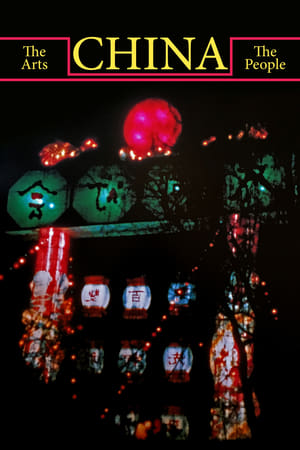
China marks the beginning of the extensive Asian theme in Ottinger’s filmography and is her first travelogue. Her observant eye is interested in anything from Sichuan opera and the Beijing Film Studio to the production of candy and sounds of bicycle bells.
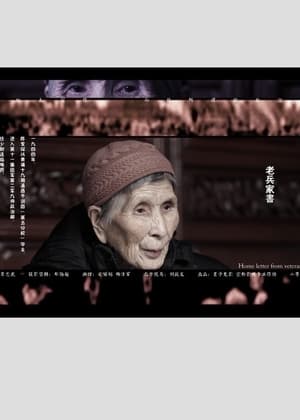
Veteran's Letters to Home
Director's Statement This film describes the story of small people on the margins of society, focusing on two groups, one is a cancer hotel, and the other is test drug patients. These people have no life, just to live. Xiaoyan, who has cancer, lives in a small hotel and waits for a bed in the hospital. Their simple understanding is: being able to live in the hospital represents a chance of life. In order to survive, I waited for more than two months, and finally, it was my turn to be hospitalized, but most of the hospitalization fees raised at the beginning were used to buy medicine. Zi Xiu, who took care of Xiaoyan, had to join the drug testing industry. In exchange for Xiaoyan’s chance of survival. In the film, scammers defrauded life-saving money for cancer patients, unfilial men refused to treat the elderly and maliciously deducted commissions from testers and other heinous behaviors. The rhythm of the film is like an illness tormenting patients, slow and profound.
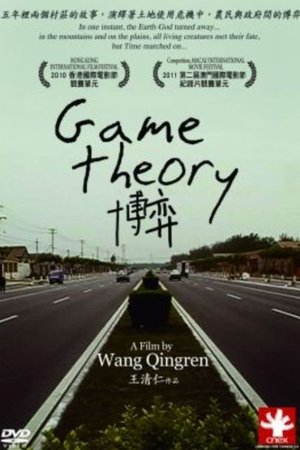
This is a story about a five-year battle waged between the farmers of two villages and the local government over land-use rights. This documentary illustrates the subtle changes being made to the rules of the game between officials and citizens, and provides deep human insight into the loss, despair and increasing awareness experienced by common farmers in the pursuit of land-use rights.
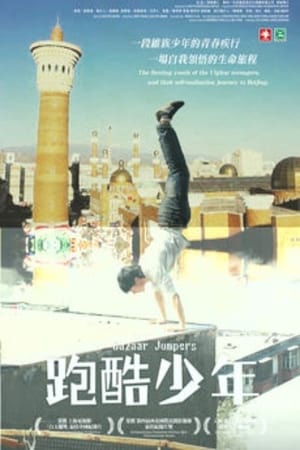
Two Uigur brothers and a friend are in love with parkour, a kind of extreme sport. Regardless of opposition from their worried mothers, the boys train themselves to be the best in an upcoming parkour event in Beijing while managing to iron out additional difficulties. They lose the game, but eventually they learn much more about their true selves.
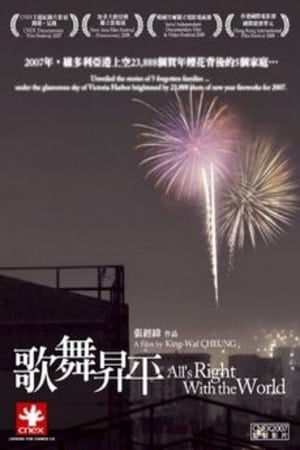
The film explores the hidden face of poverty in one of the world's most affluent and capitalistic cities. Directed by CHEUNG King Wai (KJ: Music and Life), the film follows five Hong Kong families of different backgrounds that receive government subsidies. How do the poor get by in a glossy city that flaunts conspicuous consumption and hides poverty in cavernous public housing estates? All's Right With The World shares the different stories of these low-income families, their daily living conditions, and their ways of celebrating Chinese New Year.
As a special generation born in the New China, the hundreds of thousands of educated youth from Shanghai went through enormous hardship during their work in Xinjiang from 1963 to 1966. Because of the specific historical conditions and context, they have been strikingly stamped with the mark of the times and have had to struggle to understand the relationship between themselves and the nation.
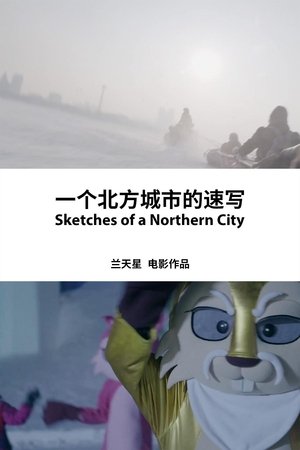
An ice sculpture in a northern city, a marching band, and the bitter silence on the radio.
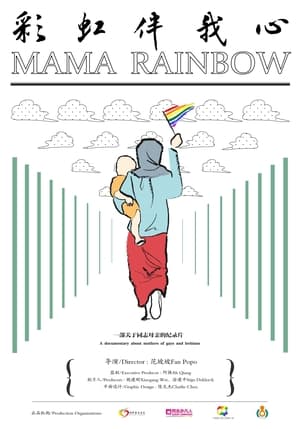
For Chinese parents, finding out that their kid is gay usually presents a major tragedy, with the big majority utterly unable to accept the homosexuality of their son or daughter. However, during recent years a fresh rainbow wind has been blowing over the Chinese mainland: a pioneer generation of Chinese parents has been stepping up and speaking out on their love for their gay kids. This documentary features 6 mothers from all over China, who talk openly and freely about their experiences with their homosexual children. With their love, they are giving a whole new definition to Chinese-style family bonds.
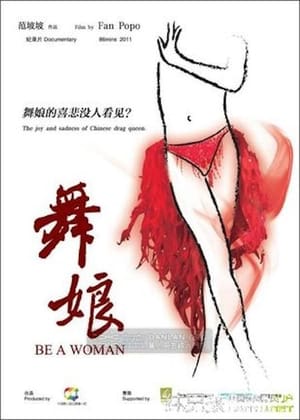
Over the course of 3 years, Fan Popo visited a bar called “Only-Love” in Nanning, China, getting to know the dancers and drag queens there and discovering who they really were behind their exuberant costumes and personas.
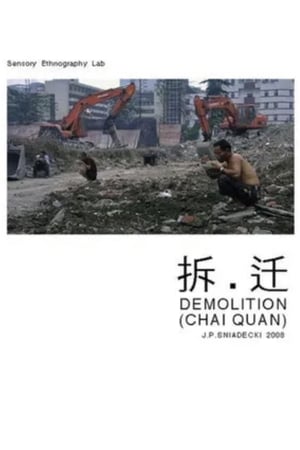
"If the old doesn't go, the new never comes" recites a teenager hanging out near a demolition site in the center of Chengdu, the Sichuan capital in western China. In Demolition, filmmaker J.P. Sniadecki deconstructs the transforming cityscape by befriending the migrant laborers on the site and documenting the honest, often unobserved, human interactions, yielding a wonderfully patient and revealing portrait of work and life in the shadow of progress and economic development.
A soon-to-be first-time voter, the filmmaker’s thought-provoking journey into the Rust Belt and South captures four Asian American voters’ ardent first time grassroots political participation ignited by the 2016 rise of “Chinese Americans for Trump.” FIRST VOTE is a character driven cinema verité style film chronicling the democratic participation of four Asian American voters from 2016 through the 2018 midterm elections.
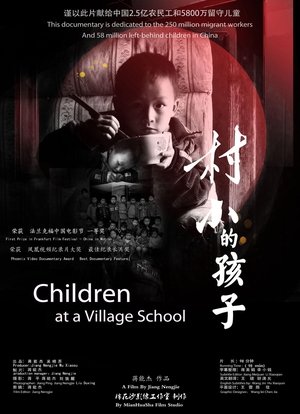
Children at a Village School
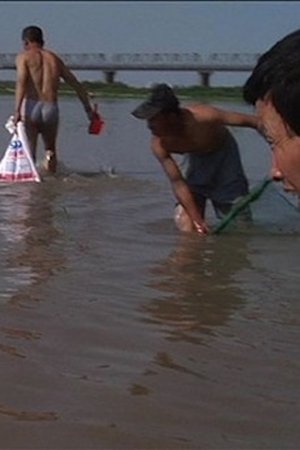
In northeastern China the Songhua River flows west from the border of Russia to the city of Harbin, where four million people depend on it as a source of water. Songhua is a portrait of the varying people that gather where the river meets the city, and an ethnographic study of the intimate ways in which they play and work.
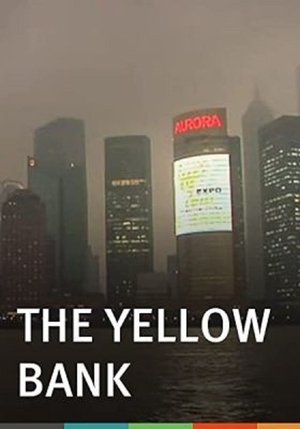
A short documentary that captures the longest total solar eclipse of the 21st century, The Yellow Bank takes you on a contemplative boat ride across the Huangpu River in Shanghai, China. Filmmaker J.P. Sniadecki, who lived and worked in Shanghai nine years earlier, uses the eclipse as a catalyst to explore the way weather, light, and sound affect the urban architectural environment during this extremely rare phenomenon.