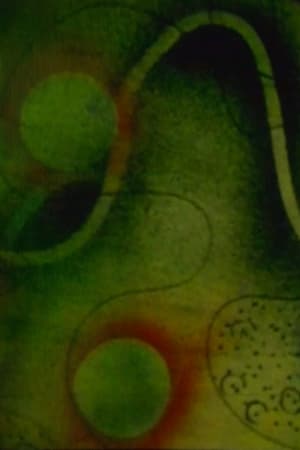
A vibrant animation by Patricia Marx. Preserved by the Academy Film Archive in 2000.
A mathematical play on one repeated movement. It imparts a sense of possibilities: that something simple can produce complex and unexpected patterns. As with an atom, the variety of possibilities from a base movement is potentially infinite.
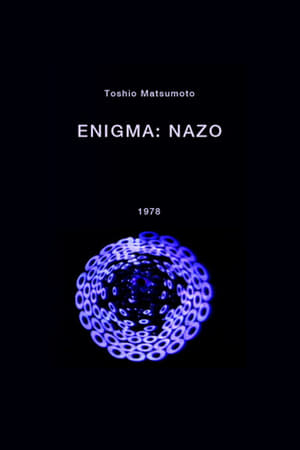
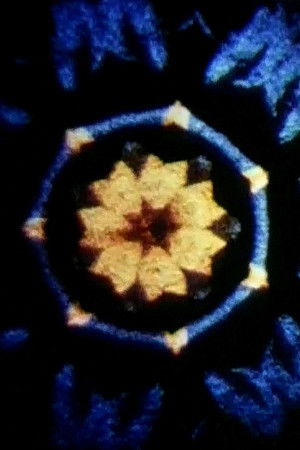
Enigma is something of a more glamorous version of White Hole, with a wide variety of elaborate textures (often composed of iconographic and religious symbols) converging towards the centre of the screen.
This is a didactic film in disguise. A progression of brilliant geometric shapes bombard the screen to the insistent beat of drums. The filmmaker programmed a computer to coordinate a highly complex operation involving an electronic beam of light, colour filters and a camera. This animation film, without words, is designed to expose the power of the cinematic medium, and to illustrate the abstract nature of time.
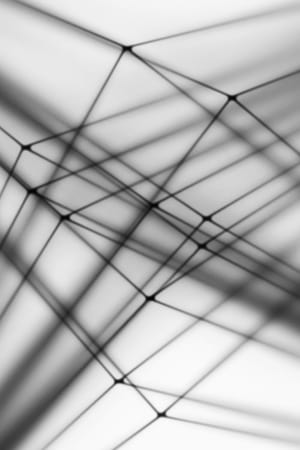
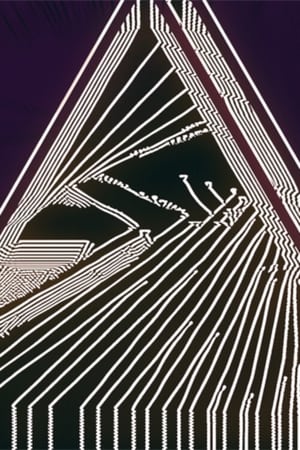
Repetition and distortion drive this audiovisual collaboration between composer Lux Prima and visual artist Max Hattler, where fuzzy analogue music and geometric digital animation collide in an electronic feedback loop, spawning arrays of divisional articulations in time and space.
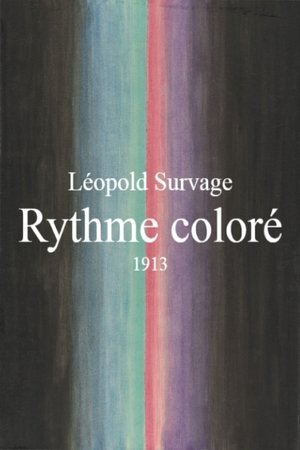
A film unmade-- That is, Survage's film was never realized in the traditional sense-- At the time, such a project was beyond technological possibility. His pioneering efforts to combine luminous, expressive painting and the moving picture were further curtailed by the outbreak of WWI. Some have taken it upon themselves to 'animate' his watercolor plates in attempts to set his dream into motion.
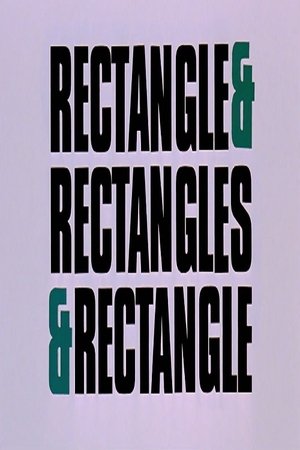
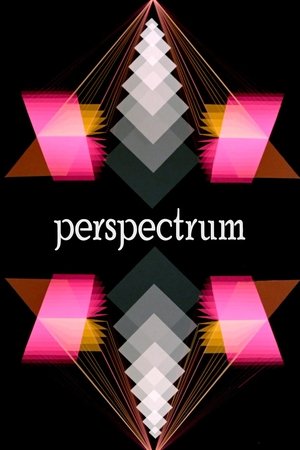
In this animated short, simple geometric forms as thin and flat as playing cards constantly form and re-form to the sound of the koto, a 13-stringed Japanese instrument.
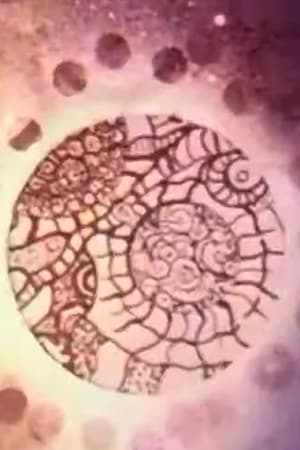
"Marx was born in Queensland, Australia, and was a landscape painter and model there before moving to San Francisco. However, when she arrived, she found herself in the midst of fascinating non-objective painting and filmmaking activity. She was greatly influenced by the work of Harry Smith and Jordan Belson, and changed her own style to non-objective, receiving graphic inspiration from Jungian brain drawings, symbols in the occult sciences, and the design used by Eastern cultures, all of which being important elements in the San Francisco school mystical school of non-objective art." -Robert Pike, A Critical Study of the West Coast Experimental Film Movement. Preserved by the Academy Film Archive in 2000.
A hand animated film that is a precursor for Belson’s later work
Animated work detailing the unrequited love that a line has for a dot, and the heartbreak that results due to the dot's feelings for a lively squiggle.
"We are powerfully imprisoned by the terms in which we have been conducted to think.” - R. Buckminster Fuller
The English version of Yoshinao Satoh's previous film "Papers", an abstract animation assembled from newspapers.
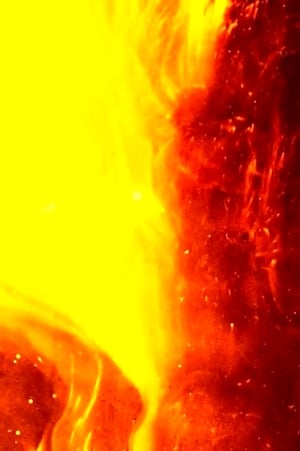
Portrait of a catastrophe, these are times of fire.
The film was produced applying mixed techniques on Super 8 film support.
In Scratch both the animation and the soundtrack are abstract. The movie is a conversation of sounds and images. Soundtrack and animation are scratched directly on 35 mm film.
An abstract film on the music 'Unfinished' 8th Symphony, part 1, by Franz Schubert by Oerd van Cuijlenborg
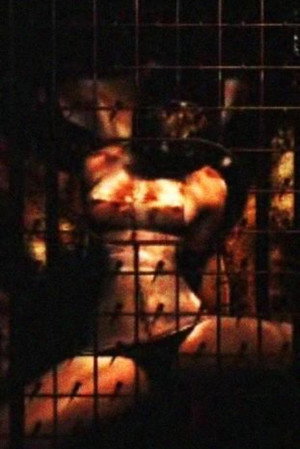
The short film features Pyramid Head and a Lying Figure from Silent Hill 2, the Fukuro Lady, and many monsters from early sketches for Silent Hill 2. The film contains disturbing, surreal imagery.
Ki-No-Ko is a surreal five-minute short film published on Art of Silent Hill, Lost Memories: The Art & Music of Silent Hill and The Silent Hill Experience.
A tale about a kid, a samurai mime, and a stripper who all try to defeat a warlord and an evil clown who have successfully turned a countryside into a never ending nightmare filled with horrible monsters.
Lulu the dog gets a job at the local convenience store and stays up all night cleaning the back room. Short created for [adult swim] Smalls.