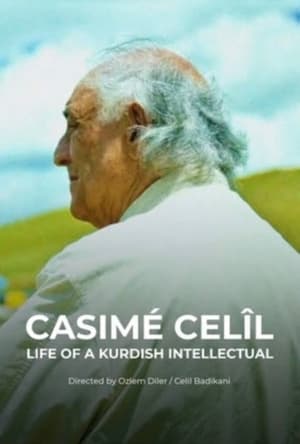
Casimê Celîl was born into a Yezidi Kurdish family in 1908, in a village called Kızılkule, located in Digor, Kars. The village and family life, which he longed to remember throughout his life, ends with the massacre they endured in 1918. During his long road to Erivan, Armenia, he lost all his family members. Left all alone, Casim was placed into an orphanage and was forced to change his name. To remember who he was and where he came from, every morning he repeated the mantra “Navê min Casim e, Ez kurê Celîlim, Ez ji gundê Qizilquleyê Dîgorê me, Ez Kurdim, Kurdê Êzîdî me”, which translates to: “My name is Casim, I am the son of Celîl, I come from the village of Kızılkule in Digor, I am a Kurd, and I am Yezidi”. He clings to every piece of his culture he can find, reads, and saves whatever Kurdish literature or art he comes across. As the year’s pass, Casim finds himself with an impressive collection of Kurdish culture and history.
A documentary on Rojava/North-East Syria and the social change there.
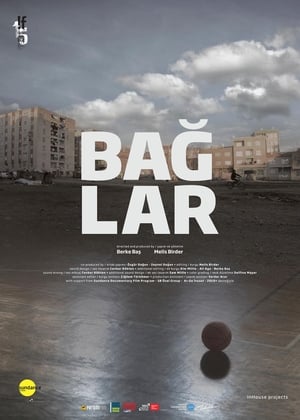
An underdog basketball team under the helm of an idealist school teacher from hard scrabble Diyarbakir in Southeastern Turkey goes beyond winning games in their mission to rise above prejudice, poverty and political turmoil created by the decades long conflict between the Turkish state and Kurdish rebels who are fighting for local autonomy and cultural rights.
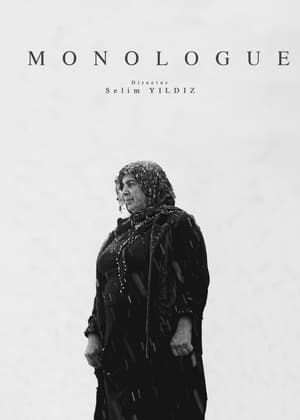
Sivan Encü, a young Kurdish man, provided for his family by "smuggling" through the Turkish-Iraqi border. When he was murdered in the 2011 Robozik (Roboski) Massacre, the responsibility of family's welfare was taken over by his younger brother Sinan, who lost his life in an unfortunate accident. This is the story of their grief-stricken mother Heyam and her resilience. Alongside Heyam's struggle, the film brings the voices of Robozik elders and notables to the forefront, who have experienced first-hand the social, political and economic dimensions of smuggling, which has been the backbone of survival for the locals for many generations.
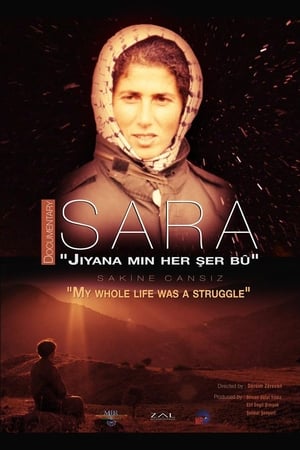
Documentary on Sakine Cansız (Sara), the Kurdish revolutionary and PKK co-founder killed in Paris in January 2013 by Turkish agents.
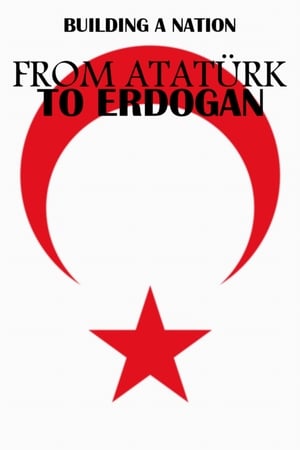
Turkey's history has been shaped by two major political figures: Mustafa Kemal (1881-1934), known as Atatürk, the Father of the Turks, founder of the modern state, and the current president Recep Tayyıp Erdoğan, who apparently wants Turkey to regain the political and military pre-eminence it had as an empire under the Ottoman dynasty.
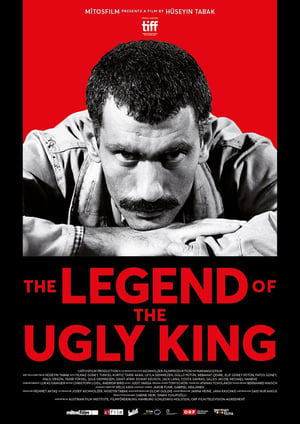
Director Hüseyin Tabak explores the legacy of Yilmaz Güney — political dissident, convicted murderer, and visionary Kurdish filmmaker — who directed the 1982 Palme d'Or–winning Yol from inside prison and died in exile just two years later.
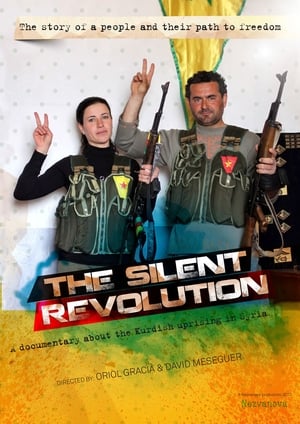
The documentary The Silent Revolution explains the revolution involving nearly 3 million kurds living in Syria. With the outbreak of the civil war —in the frame of the called ‘Arab Spring'— the Kurds of Syria have taken advantage of the context to fight for their political and cultural recognition and thus end the repression that started more than 50 years ago.
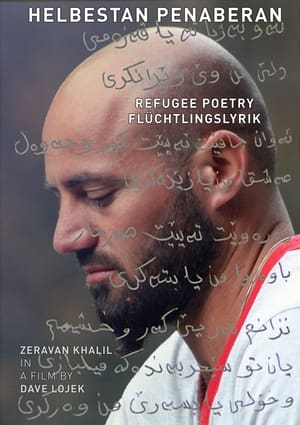
The Kurdish Iraqi poet and actor Zeravan Khalil travels with his dog through an Alpine gorge after fleeing from IS war and genocide. As he remembers the abomination, he writes a poem with the title “You drive me mad” in Kurmanji Kurdish. In his home country, Yazidic Kurds are forbidden to work in his profession. Then he eats his apple and wanders through Europe’s middle with more hope.
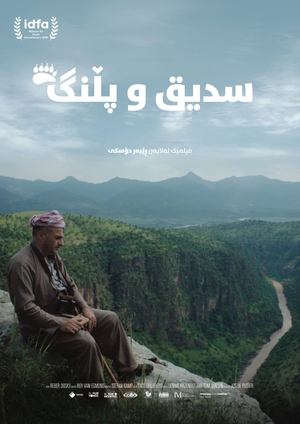
If Sidik manages to spot a leopard in his beloved mountains of Kurdistan, the area can be declared a protected nature reserve. Will that finally bring peace?
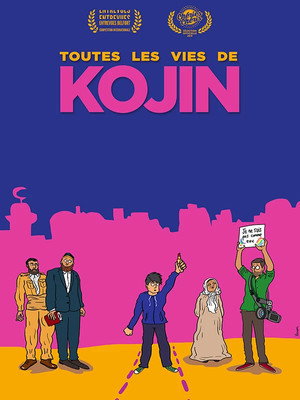
In a first-person documentary, Diako Yazdani, a political refugee in France, returns to see his family in Iraqi Kurdistan and introduces them to a 23-year-old gay man from Kojin who seeks to exist in a society where he seems unable to find its place. With humor and poetry, the director delivers a moving portrait where the meetings of each other invite to a universal reflection on the difference.
This documentary discusses how LGBTIQA+ people experience the streets and nightlife of Istanbul in terms of a safe space through the unique, yet common experiences of queers from different backgrounds, and focuses especially on nightlife and the issue of safe space there, which is a very critical area for queers to exist as they are.
Here, where even monsters are political, the topography has its own memory. It has the mythological blues. Meanwhile, old gods are upset with us, and I am upset with my father.
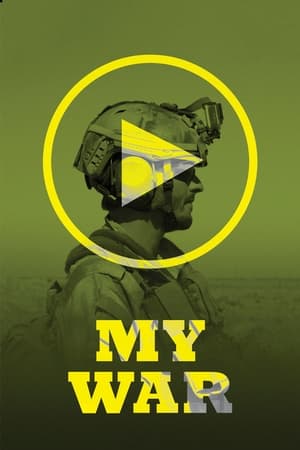
A disturbing portrait of four Western volunteers who risk their lives to fight ISIS alongside Kurdish forces. The feature documentary 'My War' probes the complex motives behind the need to take up arms on someone else’s behalf.
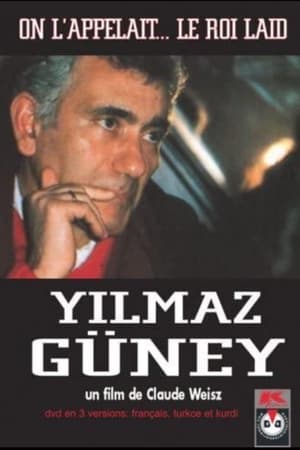
A mockumentary about Turkey-based Kurdish film director, scenarist, novelist, and actor Yilmaz Güney, shot three years after the filmmaker's death. It's also a political portrait of 20th century Turkey.
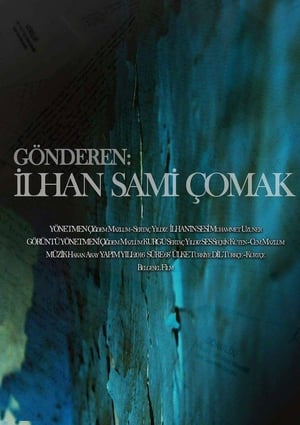
The story puts İlhan Çomak at the center, even though he is not physically present in the film. It focuses on the 21 years that İlhan spent in prison and his family’s experience of those years without him. The narrative is constructed through the letters İlhan wrote and aims to describe his life, his emotions and longings. The film constructs İlhan’s history through a chronology in the prison but refrains from restricting it only to a “prisoner’s quest for justice”, and rather tells a story of the situations he finds himself in over the years and his emotions and their equivalents in life.
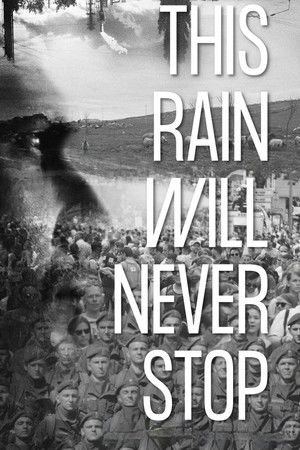
This Rain Will Never Stop takes the audience on a powerful, visually arresting journey through humanity’s endless cycle of war and peace. The film follows 20-year-old Andriy Suleyman as he tries to secure a sustainable future while navigating the human toll of armed conflict. From the Syrian civil war to strife in Ukraine, Andriy’s existence is framed by the seemingly eternal flow of life and death.
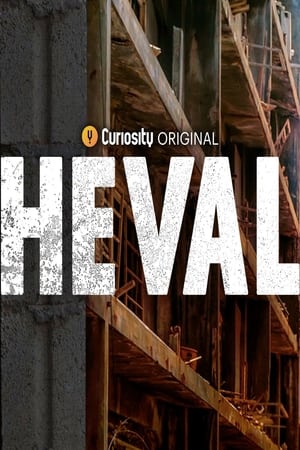
When a British-born actor abandons his Hollywood career to volunteer to Join the Kurdish YPG to fight ISIS in Syria, many see him as a selfless hero battling America's most insidious enemy. But others think he's a hot-tempered narcissist, staging a publicity stunt to further his career - and when his service ends, neither the UK nor the US welcome him back. Through incisive interviews with the actor, his supporters, his detractors, and top-tier experts - and featuring the actor's own jaw-dropping helmet-cam video of deadly battles with and interrogations of ISIS fighters - Heval gives viewers unprecedented access into a war against evil and one man's controversial role in it.
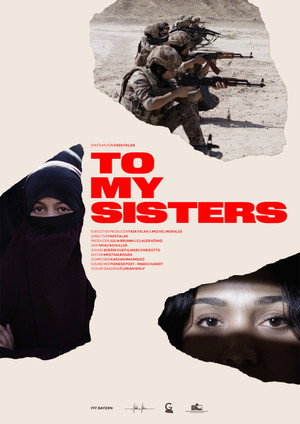
To my Sisters
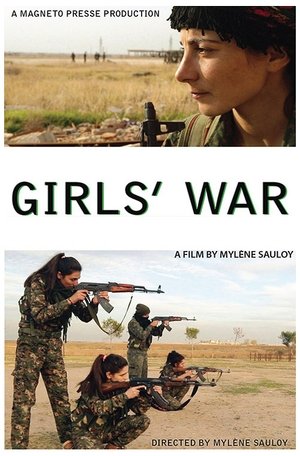
As the forces of ISIS and Assad tear through villages and society in Syria and Northern Iraq, a group of brave and idealistic women are taking up arms against them—and winning inspiring victories. Members of “The Free Women’s Party” come from Paris, Turkish Kurdistan, and other parts of the world. Their dream: To create a Democratic Syria, and a society based on gender equality. Guns in hand, these women are carrying on a movement with roots that run 40 years deep in the Kurdish Workers’ Party (PKK) in Turkey. GIRL’S WAR honors the legacy of Sakine Cansiz, co-founder of the PKK who was assassinated in Paris in 2013, and reflects on the sacrifices made by all of the women in the movement, who have endured jail, rape, war, and persecution in their quest to liberate their lives and sisters from male dominance. With scenes of solidarity, strength, and love amongst these brave women soldiers, GIRL'S WAR is a surprising story of Middle Eastern feminism on the front lines.