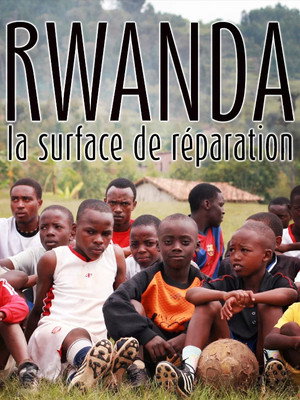
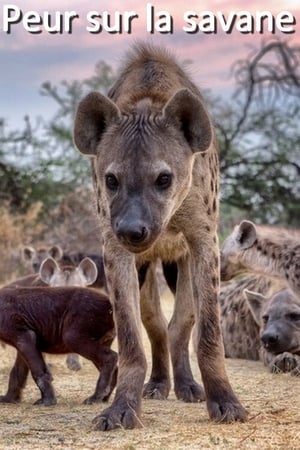
Eliseé survived the Rwandan genocide as a child. Today he leads an orphan acrobat group in a country, which heavily relies on foreign aid. He cares for the orphaned children and wants them to be happy, to have some sense in their lives. Rosta Novák built a worldwide-acclaimed circus group in Prague, where he successfully rules with a firm, paternal hand, but has permanently dark under-eye circles from the workload. The majority of Rwandese think that all people in Europe are fairy rich. On the other hand, many Europeans think that it is necessary to help Africa with everything. What happens, if we merge these two worlds in a film, during the preparation of a joint circus performance? What are the true motivations of our protagonists and what does it tell us about the Africa-Europe relationship? And who actually helps whom, in the end?
A feature documentary set in Kigali, Rwanda, the epicenter of the genocide that left a million dead two decades earlier. The film follows eccentric retired Dartmouth Professor Emeritus, Andrew Garrod, as he mounts Romeo and Juliet with college students from both Hutu and Tutsi backgrounds. Hopes, expectations, pasts, personalities and cultures collide as opening night approaches.
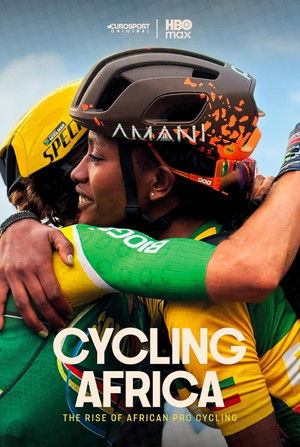
Amani is 31. When he was an infant, he survived the genocide against Rwanda’s Tutsi population. Three decades later, Amani has set up an organisation in Nyamirambo, one of the more economically impoverished districts of the country’s capital, Kigali. It employs creativity, artistic practice and performance to grapple with poverty and generational trauma – acknowledging that deep-seated ideologies can easily foment prejudice and create an environment that proved so catastrophic in the past.
A powerful documentary about five women whose lives have been irrevocably altered by the Rwandan genocide. With the country left nearly 70% female in the wake of the massacres, "God Sleeps In Rwanda" is a lucid portrait of the much larger change affected by women in the East African country.
Biniam Girmay’s recent successes have shown that African cycling is on the up, ready at last to follow athletics and football into the big time. But why has it taken so long, and what’s needed to take it all the way? Set against the beauty and battles of the Tour du Rwanda, we explore the past, present and future of riders from Eritrea, South Africa, Rwanda and more, meeting Girmay and the rising stars hot on his heels, as well as the people passionate about giving these riders the opportunities they deserve. This is the story of the next great continent in cycling - Africa.
Rwanda For Memory (Rwanda pour mémoire) is a 2003 documentary film about the Rwandan Genocide. Facing up to the scars left by the genocide, Samba Felix N’Diaye manages to find just the right sense of distance to film the inexpressible while nevertheless communicating a message of hope.
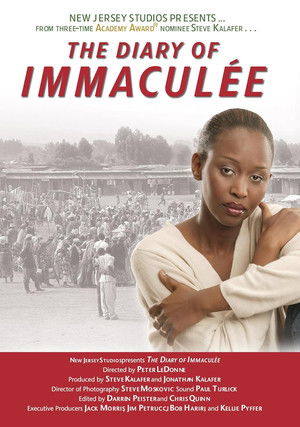
Peter LeDonne and Steve Kalafer chronicle the extraordinary life of Immaculée Ilibagiza, a young African woman who escaped genocide in Rwanda and ultimately found refuge in the United States. Seeking shelter with an Episcopalian minister, Immaculée hid from her attackers inside a bathroom for three long months but stayed centered through prayer and faith.
Supermodel Adriana Lima presents a behind-the-scenes look at the FIFA congress in the Rwandan capital of Kigali in March 2023, which made Kigali the first-ever host city of a FIFA elective congress in Africa.
The story of 600 men who protected and rescued civilians during the Rwandan genocide before helping to liberate their country in 1994.
Follow comedian Ellen DeGeneres as she fulfills her dream of protecting Fossey’s legacy by building the The Ellen DeGeneres Campus of the Dian Fossey Gorilla Fund in Rwanda.
Rwanda was once a country of peace, beauty and fabulous wildlife. Romain Baertsoen arrived there in 1966 and started to film two of Rwanda's secrets, the Bahima tribe and rare mountain gorillas. The Rwandan Civil War shattered the peace in 1994, as warring factions pillaged towns and plundered the forests. Remarkably, the gorillas survived, but the world around them is increasingly uncertain.
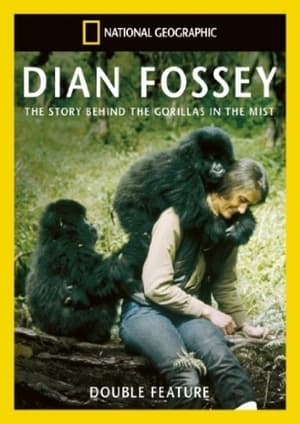
From 1968 to 1972, photographer and filmmaker Bob Campbell documented the activities of Dian Fossey as she developed a cross-species bond with Rwandan mountain gorillas. Campbell shot 70,000 feet of film, but only a fraction of his material was edited into the lecture presentation that preceded Fossey's Gorillas in the Mist. This program compiles highlights from the previously unreleased footage, offering an unforgettable glimpse into the gorilla community and Fossey's relationship with it. Her methods may not entirely jibe with those of modern conservationists, but there is no denying the profound impact of her work on current research and eco-activism.
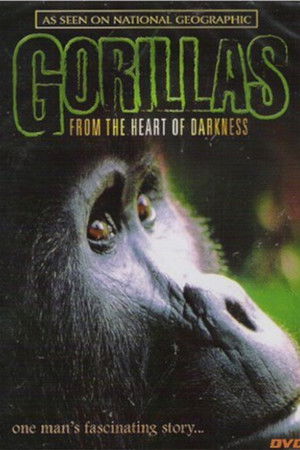
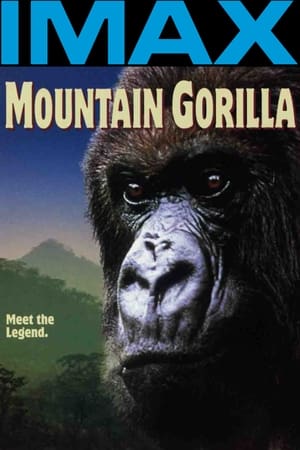
Mountain Gorilla takes us to a remote range of volcanic mountains in Africa, described by those who have been there as ""one of the most beautiful places in the world"", and home to the few hundred remaining mountain gorillas. In spending a day with a gorilla family in the mountain forest, audiences will be captivated by these intelligent and curious animals, as they eat, sleep, play and interact with each other. Although gorillas have been much-maligned in our popular culture, viewers will finally ""meet the legend"" face to face, and learn about their uncertain future.
Coexist tells the emotional stories of women who survived the Rwandan genocide in 1994. They continue to cope with the loss of their families as the killers who created this trauma return from jail back to the villages where they once lived. Faced with these perpetrators on a daily basis, the victims must decide whether they can forgive them or not. Their decisions are unfathomable to many, and speak to a humanity that has survived the worst violence imaginable.
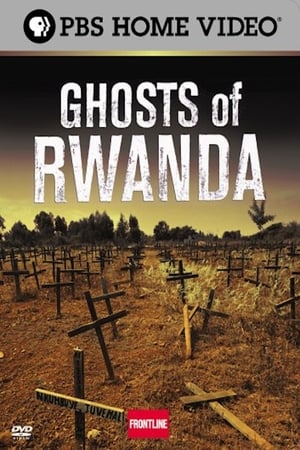
Rwanda. 14 years after the genocide that took the lives of more than 800,000 people. What situation is the country in now? What feelings reign in the hearts of the victims? Can victims and executioners coexist? What value does education have in a society that has experienced genocide? Can it happen again? Who should act when a genocide is taking place? Do we have any responsibility as individuals?
What is a socially acceptable conversation when your family's killer sits down to dinner? 'Unforgiven' explores the interactions between murderers, rapists, thieves and their victims in this documentary exploring the power of restorative justice, forgiveness and reconciliation 20 years after the Rwandan Genocide.
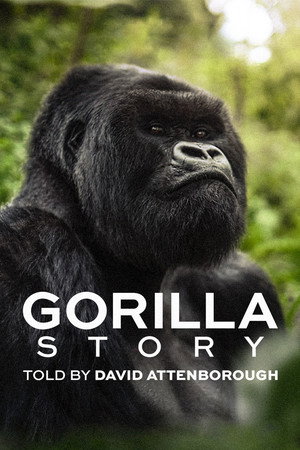
Veteran naturalist Sir David Attenborough tells the story of a remarkable group of gorillas, from his first encounter in the '70s to the present day.
The aftermath of the Rwandan genocide: A student theatre troupe tours Rwanda with a comedy about the genocide, a gang of killers gets rough justice at the local genocide court, and a prosecutor investigates a priest for the murder of five Tutsi children. Meanwhile, in neighbouring Tanzania, two of the genocide's leaders face the United Nations tribunal in snappy suits, defended by a panoply of French lawyers.
David Attenborough recounts his very personal experiences with the mountain gorillas of Rwanda. Ever since they were discovered over a century ago, these remarkable creatures have been threatened by loss of habitat, poaching, disease and political instability. But despite all odds their numbers have increased. David tells the extraordinary tale of how conservationists like Dian Fossey have battled to save the mountain gorilla from the brink of extinction.
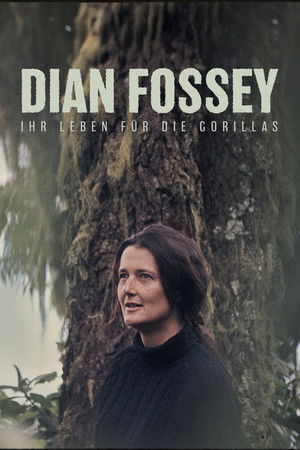
She was the first to study gorillas in their natural environment: the high mountains of Rwanda, where she settled in 1967. For nearly twenty years, Dian Fossey lived with the gorillas, observed their behavior, and changed the way people viewed them. Her relentless fight against poaching prevented the species from becoming extinct. But in December 1985, the primatologist was murdered, and the mystery surrounding her death remains unsolved. Former colleagues, scientists, and biographers shed light on the impact of her work, but also on the darker sides of her personality and her uncompromising commitment.