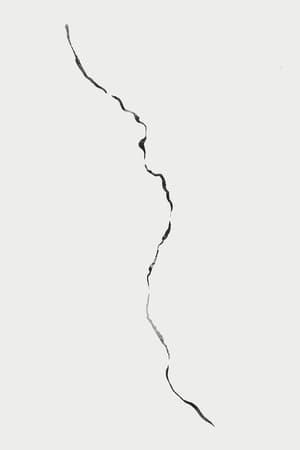
Filmed entirely from the air, Upstream follows the course of the River Dee in Scotland, all the way to its source in the Cairngorm mountains, the highest of any river in Britain. With a prose poem written especially for the film by Robert Macfarlane and an original score by the Oscar-nominated composer Hauschka.
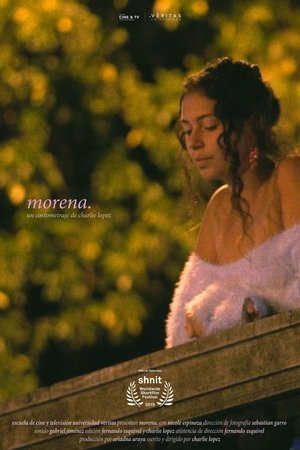
Morena
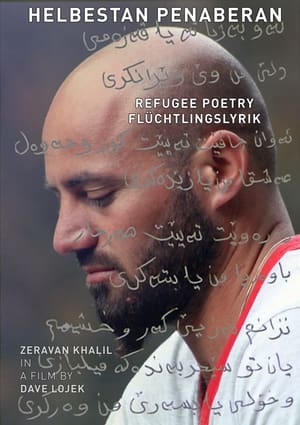
The Kurdish Iraqi poet and actor Zeravan Khalil travels with his dog through an Alpine gorge after fleeing from IS war and genocide. As he remembers the abomination, he writes a poem with the title “You drive me mad” in Kurmanji Kurdish. In his home country, Yazidic Kurds are forbidden to work in his profession. Then he eats his apple and wanders through Europe’s middle with more hope.
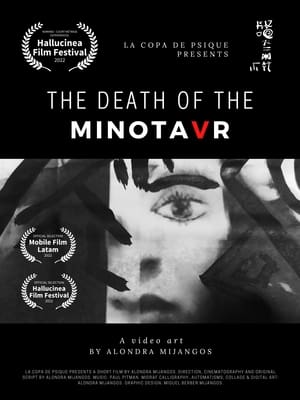
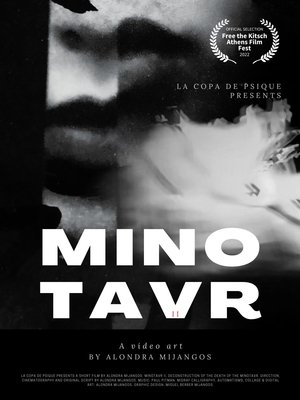
The death of the minotavr talks about the concept of the heroine's journey. Suffering, horror and exhaustion lead the protagonist to a process of transformation, abyss and expiation, because only murdering to minotaur and everything he represents is possible to return to life. From the female gaze, it shows the depth of the emotional wounds caused by domestic violence; the same one that the surrealist Dora Maar lived and that ask why, as a society, instead of killing the minotaur, we blindly continue to send him women only to be devoured and ask them why they simply did not fight, why they did not try get out of the labyrinth.
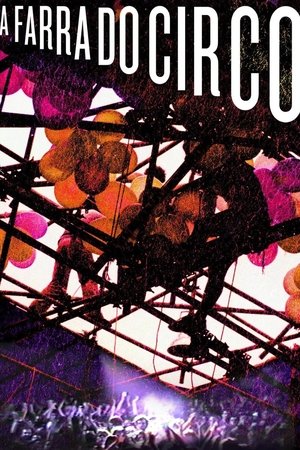
This documentary highlights the evolution of Brazil's Circo Voador venue from homespun artists' performance space to national cultural institution.
Abstract video art by John Sanborn and Dean Winkler. Dedicated to Ed Emshwiller.
Performance video about a holiday romance at St Ives, Cornwall.
Poems by some of the greatest writers of all time are brought to life through lyrical animation and readings by some of today’s most respected performers.
Video art by Vibeke Sorensen made at Calarts in 1989
Documentary about the Venezuelan poet Armando Rojas Guardia.
Minotavr II
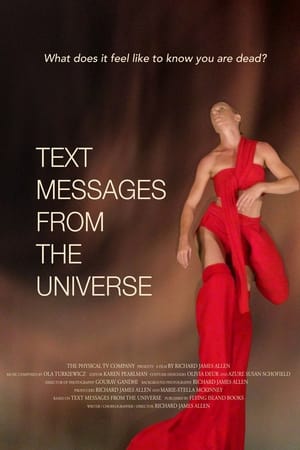
A film that immerses its audience in subjective states of consciousness they might experience when they die, imagining what they can see and think and hear in a seamless but fragmentary flow of poetic images, words and music. The viewer undertakes a journey into their own interior world of dreams and projections in which time and space, and cause and effect logic, are turned on their heads. Text Messages from the Universe is inspired by The Tibetan Book of the Dead, a text which guides souls on their journey of 49 days through the 'Bardo', or intermediate state, between dying and rebirth.
Folly of Fortuna: a black and white poetry piece in short film form.
An animated poem about a dog, her human, and the consequences of a nasty habit.
Forced into quarantine for 10 days upon arrival in Rome, an exchange student’s journey into processing the past comes to a sudden stop, as he has to look within himself in company of a subconscious visitor.
A short film that only uses photos and intertitles, this visual scenario depicts the sky as the sun sets. Picture yourself as the sunset leads into night.
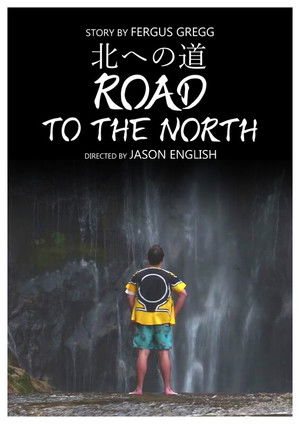
After nearly three years living in Japan, Fergus Gregg finds himself struggling to bid farewell to this beautiful country. On a journey tracing the path of his hero, the poet Matsuo Basho, Fergus decides to trek the northern landscapes of Tohoku. As he travels, he encounters more than he bargained for - facing setbacks, meetings with traditional hunter-gathers, and dances at northern Japan's largest Summer festival. Join Fergus Gregg on his 'Road to the North'.
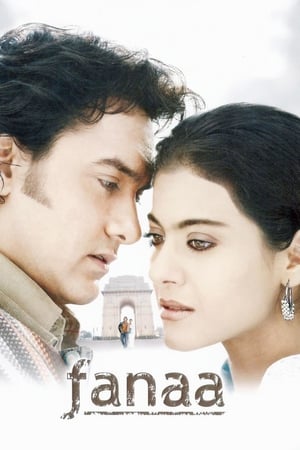
Zooni Ali Beg is a blind Kashmiri girl who travels without her parents for the first time with a dance troupe to Delhi to perform in a ceremony for independence day. On her journey, she meets Rehan Khan, a casanova and tour guide who flirts with her. Although her friends warn Zooni about him, she cannot resist falling in love with him and he takes her on a private tour of New Delhi. But there is more to Rehan than meets the eye and Zooni will have to make a heartbreaking decision.
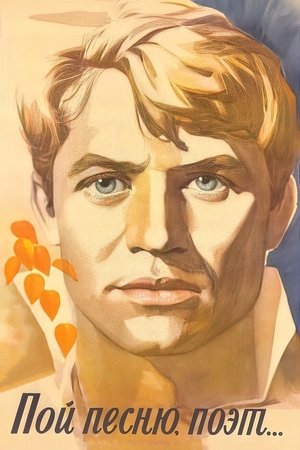
About the life and work of the poet Sergei Yesenin, his connection with his native country, its people and nature. Childhood, love, painful searches for his place in the new, revolutionary Russia — everything found a place in Yesenin's lyrics. Frames illustrating Yesenin's poetry and poems are side by side in the film with episodes of the poet's biography: the film reflects the days of his stay in America, World War I, revolution and village round dances, a daring uncle, a wise mother...
Poetry film based on "El regalo" by Honduran writer Clementina Suárez.