In Breaking Bread, exotic cuisine and a side of politics are on the menu. Dr. Nof Atamna-Ismaeel - the first Muslim Arab to win Israel's MasterChef - is on a quest to make a social change through food. And so, she founded the A-sham Arabic Food Festival in Haifa. There, pairs of Arab and Jewish chefs collaborate on mouthwatering dishes like kishek (a Syrian yogurt soup), and qatayef (a dessert typically served during Ramadan), as we savor the taste of hope and discover the food of their region free from political and religious boundaries.
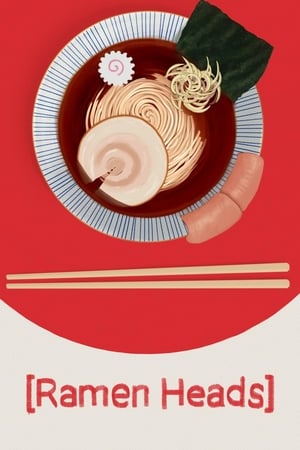
In Ramen Heads, Osamu Tomita, Japan's reigning king of ramen, takes us deep into his world, revealing every single step of his obsessive approach to creating the perfect soup and noodles, and his relentless search for the highest-quality ingredients.
From the UFC Octagon in Las Vegas and the anthropology lab at Dartmouth, to a strongman gym in Berlin and the bushlands of Zimbabwe, the world is introduced to elite athletes, special ops soldiers, visionary scientists, cultural icons, and everyday heroes—each on a mission to create a seismic shift in the way we eat and live.
Food in the 21st century has become much more than “meat and potatoes” and canned soup casseroles.” Chefs have gained celebrity status; recipes and exotic ingredients, once impossible to find, are now just a mouse click away; and the country's major cities are better known for their gastronomy than their art galleries. This food movement can be traced back to one man: James Beard. His name graces the highest culinary honor in the American food world today—the James Beard Foundation Awards. And while chefs all around the country aspire to win a James Beard Award, often referred to as the “culinary Oscars,” many of those same chefs know very little about the man behind the medal. Respected restaurateur Drew Nieporent summed it up when he said, “Everybody knows the name James Beard. They may not know who he is, but they know the name.”
A film about the work of the unified agricultural cooperative in Poběžovice, which became the winner of the JZD competition in 1950.
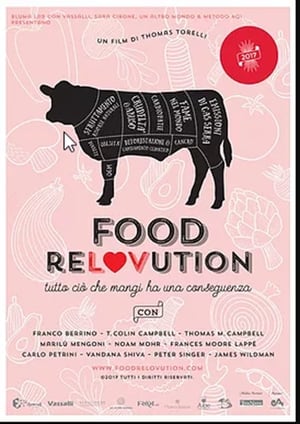
“Food Relovution: What We Eat Can Make A Difference” is an eye-opening and compelling feature documentary that examines the consequences of the meat culture as concerns grow about health, world hunger, animal welfare and the environmental cost of livestock production. It aims to show how these global issues affect everyone and are interrelated, and how making our food choices with a sense of awareness, knowing what we are buying and what we are eating is the first fundamental step towards a better world.
Agitka about a peasant who joined a unified agricultural cooperative when he became convinced of the benefits it provides.
Tu nourriras le monde
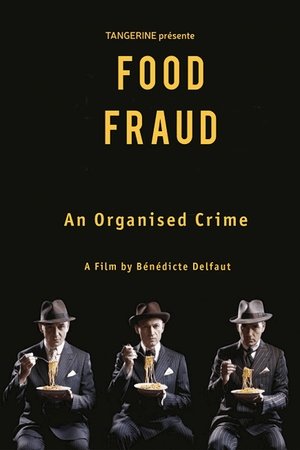
A documentary that exposes the shocking truths behind industrial food production and food wastage, focusing on fishing, livestock and crop farming. A must-see for anyone interested in the true cost of the food on their plate.
Little film showing a few tips on how to present food graciously. The famous husband and wife cooking team, Fanny and John Cradock, are showing some of the ways to serve savouries. The presentation of the food is as important as the food itself.
Follow the shocking, yet humorous, journey of an aspiring environmentalist, as he daringly seeks to find the real solution to the most pressing environmental issues and true path to sustainability.
Vesnice na rozcestí
Žampiony
In this nostalgic documentary, restaurant critic Giles Coren challenges Heston Blumenthal to take his restaurant The Fat Duck back to 2001 for a magical feast.
Maršovská kronika
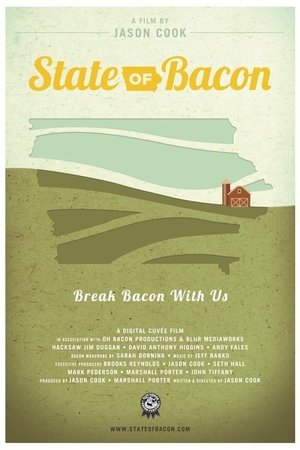
State of Bacon tells the kinda real but mostly fake tale of an oddball group of characters leading up to the annual Blue Ribbon Bacon Festival. Bacon-enthusiasts, Governor Branstad, a bacon queen, Hacksaw Jim Duggan, members of PETA, and an envoy of Icelanders are not excluded from this bacon party and during the course of the film become intertwined with the organizers of the festival to show that bacon diplomacy is not dead.
An intimate, behind-the-scenes look at how an anonymous chef became a world-renowned cultural icon. This unflinching look at Anthony Bourdain reverberates with his presence, in his own voice and in the way he indelibly impacted the world around him.
Společnou brázdou
The collar awarded to the winners of the Meilleur Ouvrier de France (Best Craftsman in France) is more than the ultimate recognition for every pastry chef - it is a dream and an obsession. The 3-day competition includes everything from delicate chocolates to precarious six foot sugar sculptures and requires that the chefs have extraordinary skill, nerves of steel and luck. The film follows Jacquy Pfeiffer, founder of The French Pastry School in Chicago, as he returns to France to compete against 15 of France's leading pastry chefs. The filmmakers were given first time/exclusive access to this high-stakes drama of passion, sacrifice, disappointment and joy in the quest to have President Sarkozy declare them one of the best in France.
Inhabit is a feature length documentary introducing permaculture: a design method that offers an ecological lens for solving issues related to agriculture, economics, governance, and on. The film presents a vast array of projects, concepts, and people, and it translates the diversity of permaculture into something that can be understood by an equally diverse audience. For those familiar, it will be a call to action and a glimpse into what's possible - what kind of projects and solutions are already underway. For those unfamiliar, it will be an introduction to a new way of being and a new way of relating to the Earth. For everyone, it will be a reminder that humans are capable of being planetary healing forces.