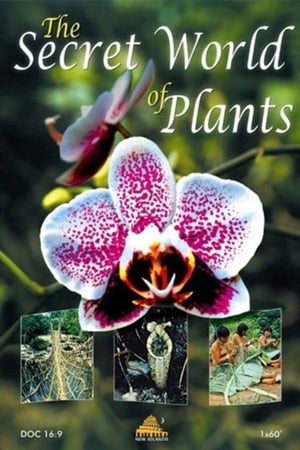
This documentary series about plants is the first immersive portrayal of an unseen, inter-connected world, full of remarkable new behaviour, emotional stories and surprising heroes in the plant world. Planet Earth from the perspective of plants.
Chris Packham uses groundbreaking science and brand-new behaviour to delve deep beneath the skin and discover the unique features that have made certain animal groups successful.
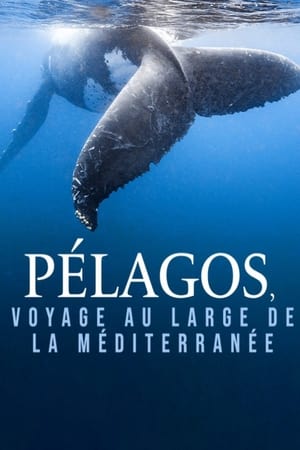
A four-part documentary series on ocean life around the world.
The four-part series takes an awe-inspiring look at the world around us, shot with ultra-high-definition cameras that capture sweeping panoramas and extraordinary close-ups of Canada’s majestic terrain and diverse species.
Chris Packham travels the world to uncover the secrets of the animal mind.
See It Now is an American newsmagazine and documentary series broadcast by CBS from 1951 to 1958. It was created by Edward R. Murrow and Fred W. Friendly, Murrow being the host of the show. From 1952 to 1957, See It Now won four Emmy Awards and was nominated three other times. It also won a 1952 Peabody Award, which cited its
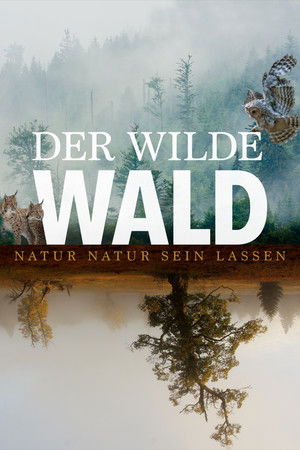
Gordon Buchanan helps cat expert Dr Victor Lukarevsky as he tries - for the first time ever - to rescue and rehabilitate lynx from the lucrative fur and pet trades back to the wild.
The nature of the Baltic Sea offers many surprises as demonstrated in the three-part series Wild Baltic Sea. From the Northern most tip of Denmark to the Curonian Spit, from the Estonian island world to the Bay of Bothnia. For the first time bottlenose dolphins and a Sowerby's beaked whale could be filmed in the Baltic Sea.
Des volcans et des hommes
Explore phenomenal female animals: the rebel matriarchs, powerful leaders and dangerous lovers of the natural world.
From the Sun
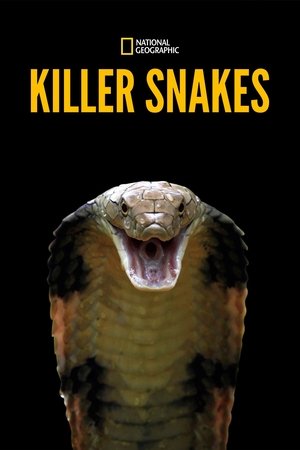
Australian host Steve Irwin and his wife Terri run a wildlife refuge. Their shared passion is educating the world about wildlife, including the much feared crocodile and numerous venomous snakes. Steve's specialty is the capture and relocation of crocodiles. No animal appears too threatening to Steve, his true respect for animals is the foundation for everything he does.
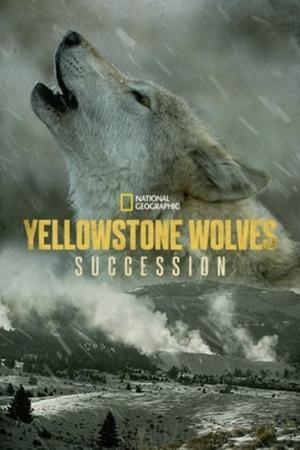
From the rugged peaks of the Himalayas to the blistering Sahara desert, wild dogs thrive in the least likely of places. They are the most widespread carnivores on the planet. The latest scientific revelations reveal fresh perspectives on characters who constantly surprise us with their diversity and their unusual behaviour. These are the world’s ultimate canids!
Meerkat Manor is a British television programme produced by Oxford Scientific Films for Animal Planet International that premiered in September 2005 and ran for four series until its cancellation in August 2008. Blending more traditional animal documentary style footage with dramatic narration, the series told the story of the Whiskers, one of more than a dozen families of meerkats in the Kalahari Desert being studied as part of the Kalahari Meerkat Project, a long-term field study into the ecological causes and evolutionary consequences of the cooperative nature of meerkats. The original programme was narrated by Bill Nighy, with the narration redubbed by Mike Goldman for the Australian airings and Sean Astin for the American broadcasts. The fourth series, subtitled The Next Generation, saw Stockard Channing replacing Astin as the narrator in the American dubbing.
Les Derniers Mondes Sauvages
Among the forests and ruins of Madagascar's Berenty Reserve, four gangs of ring-tailed lemurs are locked in a feud over territory, resources, and power... and often the fiercest conflicts are happening within the tribes. This five-part series places you in the heart of "Lemur Island," where half of the world's wild population of lemurs share a fragment of land less than a square mile. Here, battle lines are drawn and crossed, leaders are trusted and tested, and gang members thrive or perish in the harsh extremes of this intense environment.
Meet The Sloths follows a year in the life of five slow-moving residents of the Aviarios Sloth Sanctuary in Costa Rica, a sanctuary dedicated to saving orphaned or injured sloths. Filmmaker Lucy Cooke headed to the sanctuary to follow the stories of these loveable and unique creatures. And, apart from filming adorable videos – including one that’s got two million hits on YouTube – she has captured a unique insight into these very secretive animals. The stories demonstrate the difficulty in caring for sloths, and stories include: baby sloth twins fighting for survival, an injured and sexually frustrated ex-lothario sloth called, naturally, Randy and at the oldest living sloth in captivity that has lived to the ripe old age of 20-years-old. Over a year in their company Lucy watches as an unlikely soap opera of love, loss and lust develops and learns first hand that although slow on their feet, a sloths life is anything but slothful.
This major landmark series looks in detail at the fascinating relationship between predators and their prey. Rather than concentrating on ‘the blood and guts’ of predation, the series looks in unprecedented detail at the strategies predators use to catch their food and prey use to escape death. Sir David Attenborough narrates.
A cinematic experience bringing you the most amazing human stories in the world. Humans and wildlife surviving in the most extreme environments on Earth.
In each episode, geologist Iain Stewart describes how a certain geological force played a determinant part in human history. Culture may render people less dependent on nature, it still interacts with it, and actually increases the importance of such natural resources as minerals and fossil fuels.