A man tries to get a group of young people trapped in drugs out through philosophy.
Chronicles of a male homosexual drug addict in 1980's in voice-over with long take scenes from Rome, television snippets of news of Gulf War and commercials.
In the documentary, we follow twin brothers Mike and Chuck Rollins, former addicts who now work in addiction recovery. They know firsthand the struggles and vulnerabilities of addiction, as well as the challenges of reintegrating after treatment. For many addicts, returning to neighborhoods plagued by drugs and abandoned houses that serve as drug dens makes relapse almost inevitable. Through their nonprofit, Gemini Reliance, the Rollins brothers purchase dilapidated homes and transform them into safe, sober living spaces for those in recovery. Their efforts have proven effective, yet sobriety remains a constant battle. The story of HEROINOHIO begins as a profile of these two brothers but soon unfolds into a raw account of a fight against the powerful grip of addiction, revealing the relentless resilience required to reclaim one’s life.
For five years, Stephen McCoy documented street life in Boston. This is what he captured.
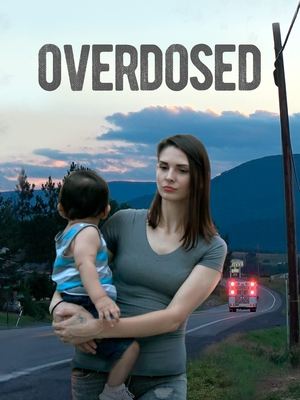
This less-than-feature-length documentary chronicles the endless cycle of addiction perpetrated by a mother and son living in a squalid tenement in San Francisco. 22-year-old Ryan and his mother Stephanie are both drug addicts: Although he'll take whatever comes along, her substance of choice is crack cocaine, and she demands that her son provide her with some. As they navigate their respective addictions, each comes close to overdosing just before they're evicted from their apartment.
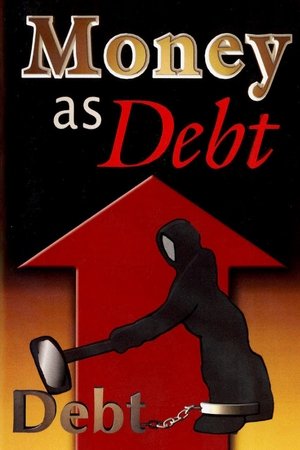
Paul Grignon's 47-minute animated presentation of "Money as Debt" tells in very simple and effective graphic terms what money is and how it is being created
In the 1980s and 1990s, an epidemic of crack cocaine addiction ravaged African American communities across the United States. Crack is extremely addictive, a trap that can lead to homelessness and an early death. Black addicts in Atlanta, Georgia tell us about their addiction, their past, and their struggles with police.
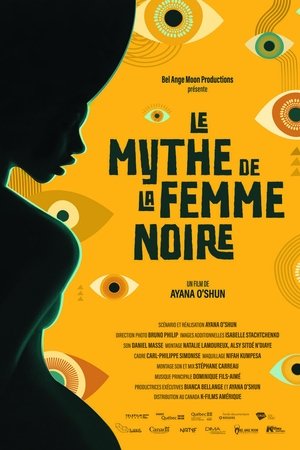
The Myth of the Black Woman is a feature-length documentary that examines the imagery of black women in the media, from the 18th century black slave to Michelle Obama. It is an investigation into how stereotypes originate from slavery and still affect the lives of black women in Quebec. These stereotypes include Jezebel (the seductress, the femme fatale); Mammie (the obese woman, the asexual mother figure) and Sapphire (the angry, ambitious and arrogant black woman). This story will be told by black women on whom stereotypes have a high impact, through interviews with fascinating experts, and through archival footage from centuries past to the present.
Interviews with former drug dealers, over-prescribing doctors and DEA agents uncover a shocking truth of the pharmaceutical industry’s plan to target opioid sales to an impoverished community.
Mother-of-two Judy Malinowski, then 31, was doused in gasoline and set on fire by her crazed boyfriend – and one of the first ever to testify from beyond the grave, at the trial for her own murder. A story that lives at the intersection of true crime and #MeToo, THE FIRE THAT TOOK HER goes deep inside a landmark case to ask a timely question: How much must women suffer in order to be believed?
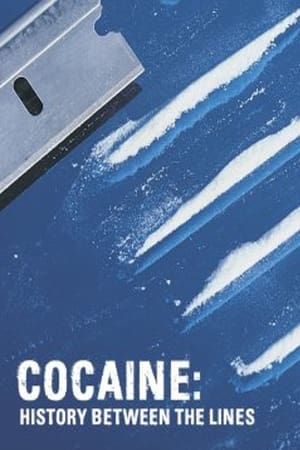
Cocaine has always gotten a bad rap, and for a reason. It is a drug used by the rich and the poor legally and illegally, Mexican cartels fought over it with Colombia once associated with the brutal cocaine wars, and a source of tension between the American and Mexican borders on the people who are illicitly bringing in cocaine from one side of the border to another and will do anything to do it. So it can be surprising at times to the viewer throughout the course of the documentary special, that it was never always like this.
The film tells the story of 25-year-old Urmila Chaudary from Nepal. At the age of six she was sold by her family and was forced to work as a slave under appalling conditions for 12 years. Her dream is to end child slavery in Nepal. To this end she fights today as a freedom activist. A film about the quest for justice with a strength that gives courage and hope.
Methbusters takes you along with a film crew following the Franklin County Missouri narcotics task force, as they take down home made meth labs in the most active illegal amphetamine manufacturing state in the U.S.. Every year except 2010, Missouri has led every state in the number of busted meth labs, only behind once by Tennessee, since it's inception in 2005. National Geographic channel aired this pilot film July 8, 2014, as Det. Sgt. Jason Grellner leads his highly trained swat team on busts that numbered 1,500 as of the taping. Nat Geo reports that Det. Sgt. Grellner and his team never lose a case, and besides busting meth labs, they also bust trafficking of heroin, cocaine, and marijuana. - National Geographic Channel, Sub-Saharan Africa KMOV Channel 4, St. Louis
The gruesome story of the Jewish ghettos during the Nazi occupation of Eastern Europe in the dark days of World War II, based on the records written by their inhabitants, who bear witness to the human tragedy of the Shoah; but also to an indomitable will to live.
An unflinching look at the life and story of Mark Kerr between 1999 and 2001, an intelligent, articulate, and emotionally vulnerable athlete, considered by many at the time to be the most dominant ultimate fighter in the world. A former Olympic wrestler, Kerr easily dominated all his opponents, earning him the nickname "The Smashing Machine." With the promise of big money and the euphoria of his early victories, Kerr must battle his injuries and inner fears. The shock of these fights takes a heavy toll on his body and mind, and Kerr attempts to overcome these physical and psychological traumas by turning to painkillers. Kerr's addiction is shown in its raw form, with the camera capturing him desperately soliciting drugs from friends and staff, and injecting painkillers into his veins. His shocking defeat to Fujita in Japan shows us a story that is sometimes difficult and heartbreaking to watch.
The war on drugs has been going on for more than three decades. Today, nearly 500,000 Americans are imprisoned on drug charges. In 1980 the number was 50,000. Last year $40 billion in taxpayer dollars were spent in fighting the war on drugs. As a result of the incarceration obsession, the United States operates the largest prison system on the planet. Today, 89 percent of police departments have paramilitary units, and 46 percent have been trained by active duty armed forces. The most common use of paramilitary units is serving drug-related search warrants, which usually involve no-knock entries into private homes.
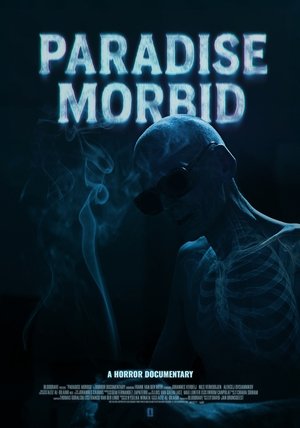
Paradise Morbid
An in-depth portrait of British composer, pianist and singer Elton John, pop star and myth of modern culture.
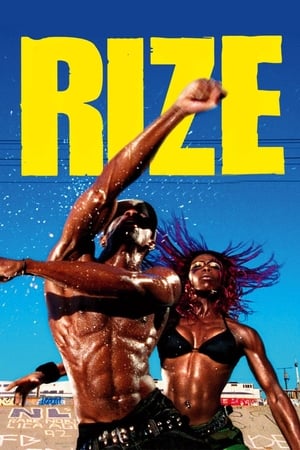
A documentary film that highlights two street derived dance styles, Clowning and Krumping, that came out of the low income neighborhoods of L.A.. Director David LaChapelle interviews each dance crew about how their unique dances evolved. A new and positive activity away from the drugs, guns, and gangs that ruled their neighborhood. A raw film about a growing sub-culture movements in America.
Set in Hong Kong, the narcotics documentary Opium: The White Powder Opera (1976-77) was commissioned by a British television station. Yung, its associate producer and cinematographer, joined the surveillance team of the Narcotics Bureau to acquaint himself with the workings of the drug trade. This paved the way for The System. In addition to the cat-and-mouse game between the cops and the druglord, a fascinating thread traces the relationship among dealers, junkies and mules in Sai Ying Pun. The title hails from Brecht’s The Threepenny Opera, another tragedy concerned with a capitalist society’s oppressed and exploited nobodies.