With regenerative management techniques, we can improve soil health and help mitigate climate change, by reducing atmospheric CO2 levels through long-term soil carbon sequestration. “Regenerative Renegades” presents a clear choice: Continue down the path of soil depletion or support agriculture that regenerates the land, combats climate change, and improves our economic vitality. Dig into the research and the collective consciousness behind a unique group of ranchers that make up the resilient, regenerative, renegade way at Thousand Hills. By working with nature and not against it, they have found a renewed joy in farming and a method that renews the land and our planet’s health.
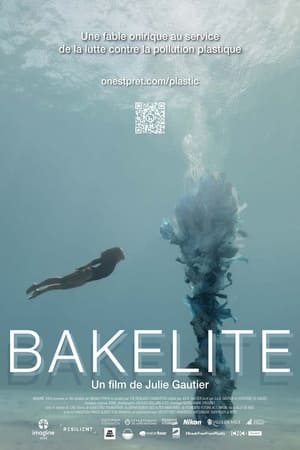
A surrealistic look at the future if man does not learn to control pollution.
Biologist Scott Gillingwater works to prevent the extinction of the endangered Queensnake.
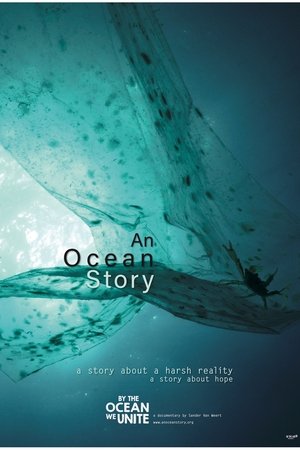
From space, our planet appears as a tiny blue dot in the vastness of space. Blue, because 99% of all living space on Earth occurs in the Ocean. But the seas are under threat. The industrialization that has occurred in the oceans over the last century mirrors the events that triggered mass extinctions on land. As we learn of the ecological crimes occurring worldwide, we also uncover the shocking truths happening on our own shorelines.
Hosted by Keeley Hawes, star of the popular television series The Durrells, this documentary reveals the adventures of the eccentric Durrell family once they left Corfu, Greece.
Feature-length documentary following award-winning wildlife cameraman Vianet Djenguet as he documents a gruelling but vital mission to ‘habituate’ a notoriously protective 450lb silverback, in a last-ditch effort to save the critically endangered eastern lowland gorillas from extinction.
Two disk documentary presented by Oregon Public Broadcasting about the birds of Oregon. Disk one is an overview of bird species. Disk two is an overview of bird habitats and the people working to conserve and enhance them.
Proyecto Ibera
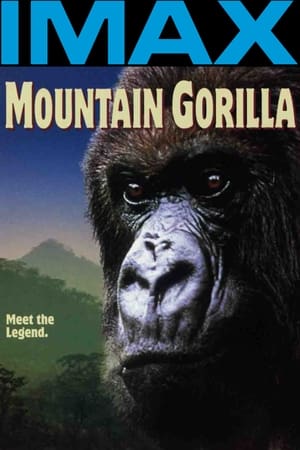
Mountain Gorilla takes us to a remote range of volcanic mountains in Africa, described by those who have been there as ""one of the most beautiful places in the world"", and home to the few hundred remaining mountain gorillas. In spending a day with a gorilla family in the mountain forest, audiences will be captivated by these intelligent and curious animals, as they eat, sleep, play and interact with each other. Although gorillas have been much-maligned in our popular culture, viewers will finally ""meet the legend"" face to face, and learn about their uncertain future.
For centuries, the Ojibwe have lived alongside their brother Ma’iingan,(wolf). In February 2021, a brutal assault, a hunt on their wolf relative, stirs emotion and grief for Ma’iingan as they know what happens to him happens to them.
An epic story of Australian and international scientists who are racing to understand our greatest natural wonder and employing cutting edge science in an attempt to save it.
70 years after the last wolves roamed the national park, a total of 41 wolves were reintroduced between 1995 and 1997. A globally unique experiment that had many supporters, but also resolute opponents, then as now.
Conservationist photographer and filmmaker Kyle Dudgeon, with the help of wildlife biologist Steve Hoffman, follows a family of great gray owls in the Bridger Mountains of Montana whose habitat is threatened by a logging project. The first feature film of this longtime bird photographer, The Trees with Orange Rings is a passionate documentary short profiling the natural history of these owls and confronting important environmental issues over the span of two years.
A group of conservationists take on the task of revitalizing the Balancán, Tabasco, research station and protect the howler monkey.
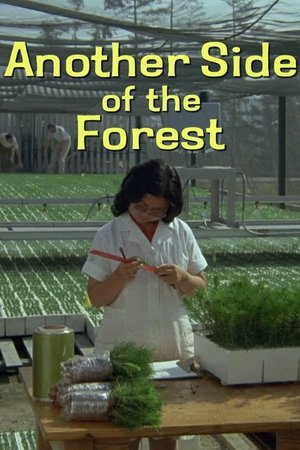
Developments in the Canadian forestry industry during the 1970s are shown being carried out both as lab experiments and in the field to protect and conserve the country's vast forests. These include turning a Newfoundland bog into woodland, fostering British Columbia seedlings that withstand mechanical planting, inoculating Ontario elms against the bark beetle, devising ways of controlling fire, and more.
Anita Chitaya has a gift: she can help bring abundant food from dead soil, she can make men fight for gender equality, and maybe she can end child hunger in her village. Now, to save her home in Malawi from extreme weather, she faces her greatest challenge: persuading Americans that climate change is real. Traveling from Malawi to California to the White House, she meets climate sceptics and despairing farmers. Her journey takes her across all the divisions that shape the USA: from the rural-urban divide, to schisms of race, class and gender, and to the American exceptionalism that remains a part of the culture. It will take all her skill and experience to help Americans recognise, and free themselves from, a logic that is already destroying the Earth.
This short film focuses on how conservationists endeavor to protect wildlife.
Against the backdrop of the sixth mass extinction, an all-woman team of biologists set out to save bats from a deadly fungal disease, but when the COVID-19 pandemic interrupts their work, they are sent down a path of discovery that illuminates the connections between bat conservation and the spread of infectious disease.
With a scuba suit and a GoPro in hand, a 65-year-old shoe store owner is determined to clean up Malta’s seas, one piece of rubbish at a time.
What does it mean to lose a colour? Losing Blue is a cinematic poem about losing the otherworldly blues of ancient mountain lakes, now fading due to climate change. With stunning cinematography, this short doc immerses the viewer in the magnificence of these rare lakes, pulling us in to stand on their rocky shores, witness their power and understand what their loss would mean—both for ourselves and for the Earth.