Interview Record of New Artists
O Som da Sua Voz
Maria finds herself at a crossroads when her husband suddenly announces that he wants to end their relationship. She must either let her whole world come crashing down, or come to terms with the life she has and find a way forward.
After a period of time where her hearing begins to overtake her sight, Casandra searches for the cause of her problem, isolating herself from society. She starts having visions that remind her of the past and promise an apocalyptic future.
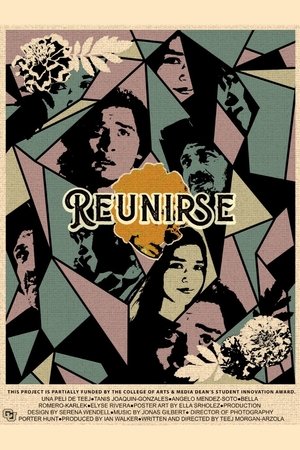
Following the sudden death of her conservative father, a transgender woman returns to her small Oklahoma hometown to help her estranged mother arrange the funeral, forcing both women to confront the painful choices that tore their family apart three years ago.
A younger sister who returns home on the day her mother passes away has to meet her older sister whom she hasn't seen in a long time in the same uncomfortable place.
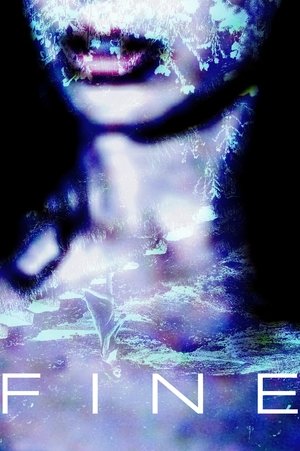
In a world where beauty is currency, a disillusioned voice-over artist undergoes a life-altering cosmetic surgery, only to realise the path to perfection may come at the price of his very soul.
A couple of sound engineers have stopped paying attention to each other. During a film shooting they see themselves in the actors who play the scene, which makes them understand the importance of listening to one another.
Fact-based story of a woman who suffered a nervous breakdown after having an extra-marital affair.
A Mexican farmhand migrates to America to better support his family, but his dream crashes to the ground when his wife and daughter can't meet him across the border.
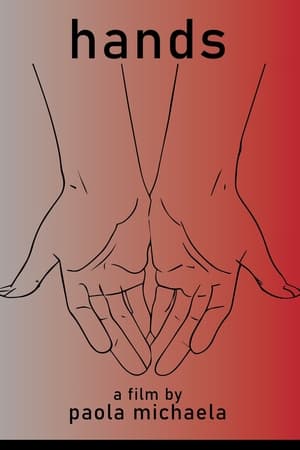
A personal reflection on hands, the word "tear," and caring for oneself that experiments with sound, silence, and definitions.
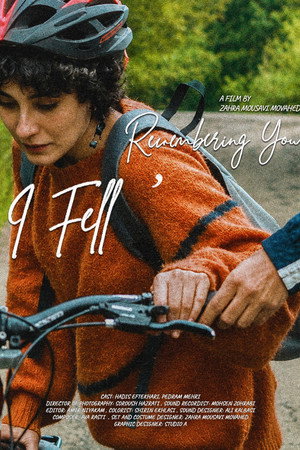
In her final days before leaving the country, a young girl spends time with her brother learning how to ride a bike.
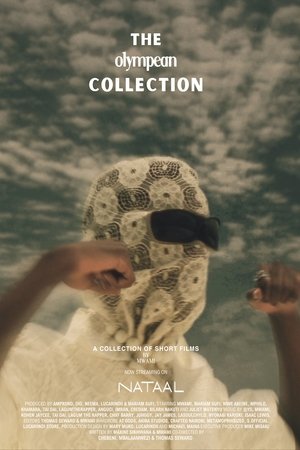
The Olympean Collection is a visually poetic trilogy set against the vast landscapes of East Africa, following Daisy and a Boy Scout as their search for eternal youth spirals into a surreal odyssey of memory, loss, and transformation.
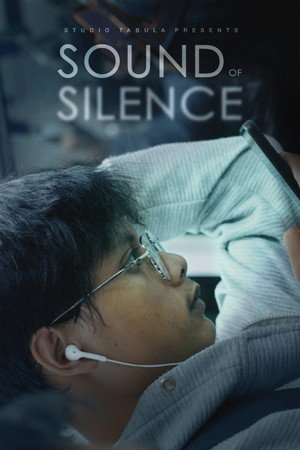
Isolated by screens and routine, a man’s illusory silence fractures, opening him to the city’s unfiltered sounds.
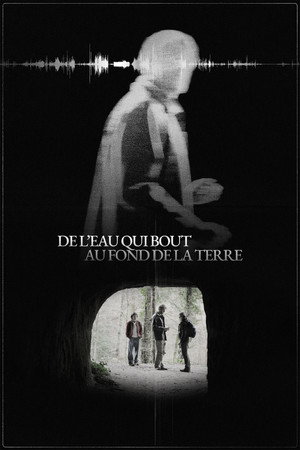
Deep underground, Alexandre follows voices and sounds, leading him to a lost woman.
Three women live together: Maria is a scientist, Lia is a kindergarten art teacher, Raquel is an android with AI. They need to organize the traditional Saint John's festival for Lia's school.
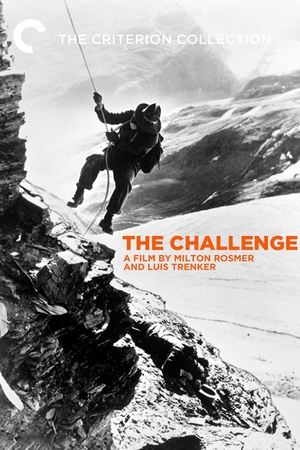
During an early, unsuccessful attempt at climbing the Matterhorn, Edward Whymper finds himself rescued by an italian guide, Jean Antoine Carrel. The two men quickly build a friendship and agree to reach the peak together. However, local villagers ploto to divide the alliance of Whymper and Carrel and both men join rival teams as they set out in a race to conquer the mountain. A mountaineering drama based on the novel by Carl Haensel and inspired in the dramatic true story of Edward Whymper, who led the first successful ascent of the Matterhorn in 1865. There is another version of the film titled Der Berg Ruft, shot the same year in German.
Cranes and Voices follows, on one side, people who hear voices and share their daily lives, and on the other, a collective of tenants who investigate their neighbourhood through its noises, its vibrations and its construction sites. The film moves through apartments, streets, meetings and moments of sound creation, where voices, urban noises and recorded materials are transformed into collective sound compositions and spaces for exchange. Sound appears here as an ambivalent force, at once invasive and generative, shaping the way we inhabit the city, other people and ourselves. Cranes and Voices invites us to pay attention to these singular listening experiences, to hear what they reveal about the housing crisis, about how mental health is viewed and about the ways we organise our shared spaces.
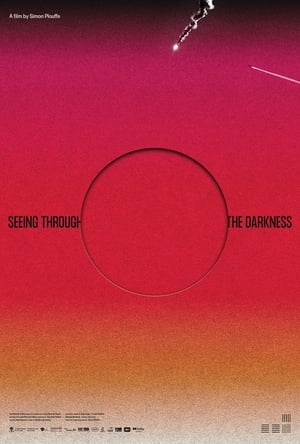
The film follows five people who lost their sight in armed conflicts, gathering fragments of their present-day lives. Through an enveloping sound composition, veiled archival material, footage shot by the protagonists themselves, and a sensitive visual approach, the film explores memory, perception, and our relationship to the visible. Steering away from spectacle, it invites us to hear what often goes unheard, and to feel differently. In an age saturated with images, this documentary offers a sensory experience where listening becomes a gesture of resistance and human reconnection.
The shot’s eerily static, but the house isn’t quite right. There’s no mold in the wood, maybe it’s the bug!