Over 60,000 years ago, the first modern humans left their African homeland and entered Europe, then a bleak and inhospitable continent in the grip of the Ice Age. But when they arrived, they were not alone: the stocky, powerfully built Neanderthals had already been living there for hundreds of thousands of years. So what happened when the first modern humans encountered the Neanderthals? Did they make love or war?
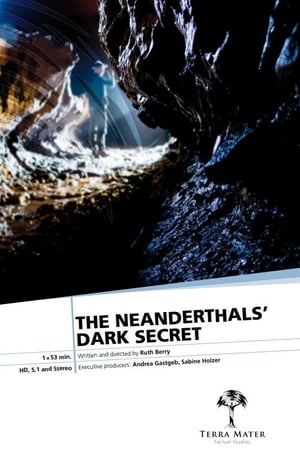
49,000 year old Neanderthal bones have been discovered by chance in a remote, mountainous region of Northern Spain. The bones may help solve the biggest Neanderthal puzzle of all – why we are here today and Neanderthals are not. ‘The Neanderthals’ dark Secret’ revolves around ongoing investigations deep inside the forbidding subterranean cave system called El Sidrón. Here, Palaeontologist Antonio Rosas and Archaeologist Marco de la Rasilla are in their 11th year of excavation. Bones from at least 12 people and 400 stone tool fragments have been recovered. We’ll bring these people back from the past. Our haunting, hologram-like Neanderthal characters, will communicate to the scientists of today, as they unlock the secrets of El Sidrón. Many mysteries surround the site, foremost, how the bones and tools came to be here in the first place. The remains aren’t weathered nor do they show signs of scavenging from large animals.
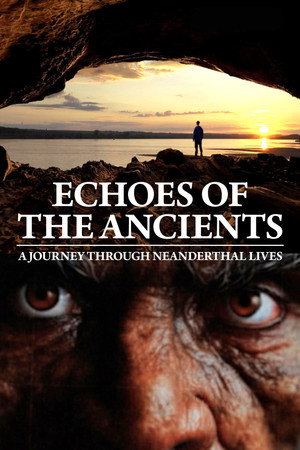
Echoes of the Ancients explores the lives, genes, and legacy of Neanderthals through science, archaeology, and art. It reveals the deep roots of human identity in a visually stunning and intellectually rich journey across prehistoric Europe.
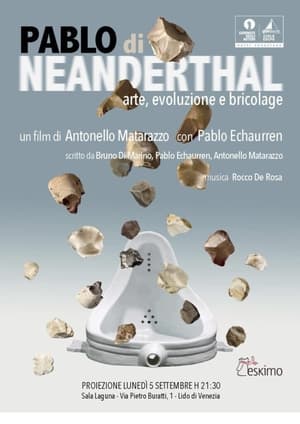
What would have happened if the Neanderthals had prevailed over Homo Sapiens? How would our species have evolved? How does art relate to evolution, and why in the world does evolution behave like a bricoleur? Last of all, just what does Marcel Duchamp have to do with all of this? This film is neither a documentary nor a portrait of the artist Pable Echaurren; it’s a kaleidoscopic meditation on our past, present and future.
Tautavel : vivre en Europe avant Néandertal
This documentary delves into the mysteries surrounding the Neanderthals and what their fossil record tells us about their lives and disappearance.
Sir David Attenborough joins an archaeological dig uncovering Britain's biggest mammoth discovery in almost 20 years. In 2017, in a gravel quarry near Swindon, two amateur fossil hunters found an extraordinary cache of Ice Age mammoth remains and a stone hand-axe made by a Neanderthal.
Néandertal : Qui a tué notre cousin ?
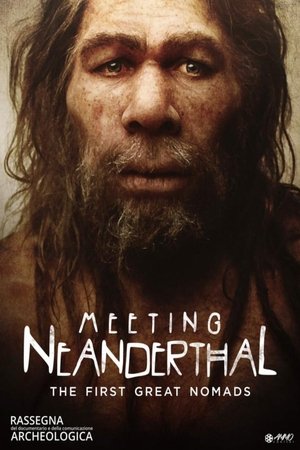
Long before the arrival of Homo Sapiens, the Neanderthals wandered the vast European plains, and regularly drowned into the Ice Ages. Several discoveries, in France and England, and especially on the island of Jersey, now allow archaeologists to understand the lifestyle of those first great nomads of Europe, that lasted 300.000 years.
In Morocco, new excavations on the site of Jebel Irhoud upset the generally accepted view of the dating of the appearance of man.
Neandertal man disappeared abruptly 30,000 years ago. Who was that "other" man and what is the most plausible hypothesis leading to his extinction? An investigation using all current knowledge available tries to answer these questions.
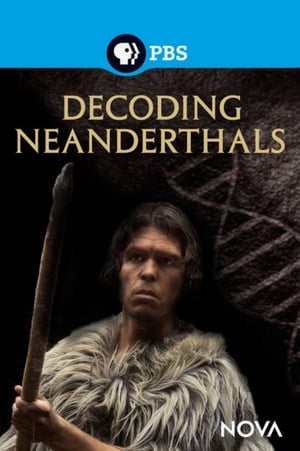
40, 000 years ago the steppes of Eurasia were home to our closest human relative, the Neanderthals. Recent genetic and archaeological discoveries have proven that they were not the dim-witted cave dwellers we long thought they were. In fact, they were cultured, technologically savvy and more like us than we ever imagined! So why did they disappear? We accompany scientists on an exciting search for an answer to this question and come to a startling conclusion …
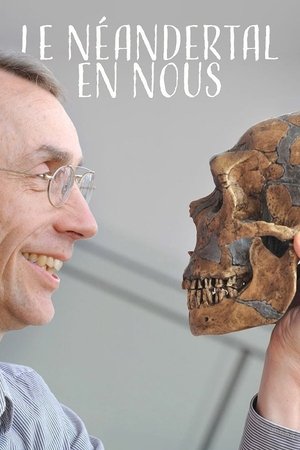
He was said to be the "First European", our mystic brother out of the ice age. Nobody knows exactly, why he disappeared 30. 000 years ago. It was in 1856 when the first bones of this prehistoric man where discovered in Germany. Since that time the Neanderthal is surrounded by mystery. How much of him does still exist inside us?
La Grotte de l'Hortus : Climats & Paysages méditerranéens pendant le Würm ancien
The extraction of flight feathers from birds of prey, as practiced by Neanderthal man, is revived in the Fumane Cave in Lessinia.
The Mandrin Cave in southern France has been attracting the attention of archaeologists for 30 years. The cave was regularly occupied in prehistoric times, and a remarkable record of human habitation going back thousands of years has been preserved by its soils. In 2015, the remains of a Neanderthal were uncovered, and the archaeological evidence points to this individual, named Thorin, living in close proximity to newly arrived Homo sapiens. This documentary follows an international team of scientists as they discover and investigate precious relics of the Paleolithic period, resulting in groundbreaking revelations about the human populations of around 50,000 years ago as researchers uncover some of the secrets of the Mandrin Cave.
The Mandrin Cave in the Rhône Valley is a fascinating excavation site. Archaeologist Ludovic Slimak discovered fossils and flints here, proving that Neanderthals inhabited the cave for over 80,000 years. The first Neanderthal in France for half a century was also unearthed in the cave: He was given the name Thorin.
Science, in light of recent archaeological findings, exposes new theories about Neanderthals, the humans who preceded us, which bring us closer to their lifestyle, the differences with our species and the causes of their disappearance 40,000 years ago.
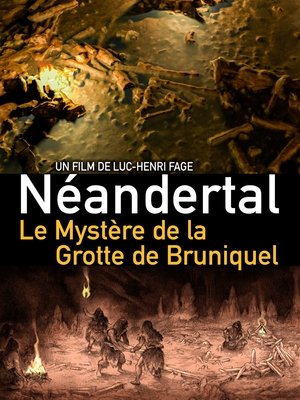
Discovered in 1990 in the Aveyron Gorges, near the village of Bruniquel, Bruno Kowalczewski discovers a cave which shows evidence of being inhabited by Neanderthals as far back as 47,000 years ago, with stalagmites arranged in circles. What significance do these limestone rings have? From when exactly do they date? For fear of damaging the remains, the excavations were stopped in the late 1990s, leaving these questions unanswered. Beginning in 2014, a new team relaunches research into the cave. Using the current uranium-thorium method, calcite samples are dated to 176,500 years ago, revealing the construction as one of the oldest ever discovered underground. This stone circle is surprisingly complex. How was it built and what was it used for? This is a story of a discovery that brings new elements to the capabilities of the Neanderthals.
Manny the mammoth, Sid the loquacious sloth, and Diego the sabre-toothed tiger go on a comical quest to return a human baby back to his father, across a world on the brink of an ice age.