Made on the occasion of March 8, it presents a series of brief portraits of women, from various professional fields, of different ages and even of different ethnicities, pointing out the benefits that the communist organization had brought to their daily lives. A special emphasis is placed on their status as mothers and on the role of nurseries and socialist kindergartens not only in making their lives easier, but also in giving them the time they need to build a career. Another concern of the filmmaker, starting from the concrete case of one of the protagonists, is to highlight the differences between the happy present and the not-too-distant past in which someone with her social status should have dedicated herself exclusively to raising children, in hygienic and extremely difficult lives.
After being diagnosed with borderline personality disorder, a young mother writes a letter to her daughter about their family’s collective journey to acceptance.
After four years away, Huiju returns home to South Korea. Exchanges with her loved ones are awkward and clumsy. Huiju turns once again to her familiar rituals: pruning the trees, preparing a sauce, tying a braid.
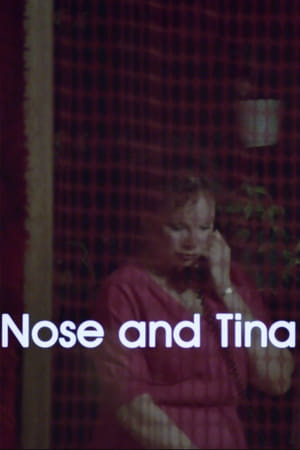
Nose and Tina are a couple in love. The film captures the domestic details of their life together and documents their hassles with work, money and the law. The unusual bit: He is employed as a brakeman, and she as a sex worker.
Dadi manages an extended family in Haryana, Northern India, where daughters-in-law face loneliness and unrealistic expectations. The film delves into family dynamics, highlighting Dadi's firm control amidst tensions. Social and economic shifts challenge traditional values, exemplified by Dadi's son marrying outside the village. Despite clinging to tradition, Dadi adapts to her children's modern aspirations. This narrative reflects the clash between generations and gender roles in 1980s rural India, offering insight into the evolving concept of family.
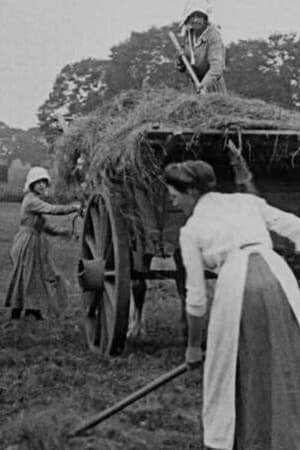
Picturesque scenes of land girls gathering hay on an Essex farm during WWI.
For more than forty years, Belela Herrera has dedicated her life to saving that of others. The politically persecuted, those displaced by civil wars, and the world's refugees are her concern and vocation. Her story is also that of a woman who defined herself and twisted the destiny reserved for girls of her social class: marrying to a man from high society, having a large family and a comfortable and elegant existence . And it is also the story of a female legacy that is part and consequence of the invisible resistance of thousands of women.
Their words had never been heard before. Co-directed by French-Rwandan musician and author Gaël Faye and director Michael Sztanke, this movie records with sensitivity and for the first time the testimonies of Prisca, Marie-Jeanne and Concessa about their lives during the genocide and after. The three Tutsi women tell the camera about their daily lives during the genocide and in the refugee camps of Murambi and Nyarushishi, where they lived a nightmare under the guard of the French soldiers of the Opération Turquoise who, under a UN mandate, where supposed to protect them. While the French army denies any rape accusation, the three women filed complaints with the French justice system in 2004 and 2012. The investigation is now at a standstill.
A look at the daily life of midwives across Quebec.
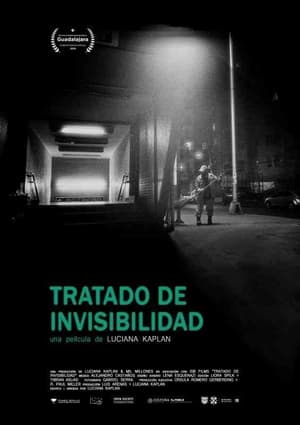
A reflection on the concept of invisibility, narrated by women who clean public spaces in Mexico City. Combining documentary, fiction and still photography, the film is an intimate mosaic of testimonies and experiences that highlight the precariousness of work in the cleaning industry, in a world where subcontracting rules.
Shoal Lake 40 women talk about their struggles, and those of their parents and grandparents, in trying to raise their families in a hazardous state of enforced isolation. Everyone in the community has a harrowing story of a loved one falling through the ice while trying to get across the lake, with pregnant women and new mothers fearing for their babies and having no choice but to make the trek in dangerous conditions. The film shows the key role of the community’s women in demanding funding for the road from three levels of government, and how their reconnection to culture and ceremony give them the strength to keep going.
With depth, intimacy, and humor, FLOAT! captures filmmaker Azza Cohen's magnetic grandma’s life-affirming journey learning to swim at 82, inspiring audiences to defy societal expectations of aging and to boldly look forward at every stage.
In April 2008, LRS toured across the USA and met some amazing female noise artists. This is what it is like to be a girl of noise.
A new documentary that follows master Haida weaver Delores Churchill on a journey to replicate a spruce root hat discovered with the Long Ago Person Found. The 300-year-old traveler was discovered in British Columbia and DNA testing discovered living descendants in Canada and Alaska. Her search crosses cultures and borders, and involves artists, scholars and scientists. The project raises questions about understanding and interpreting ownership, knowledge and connection.
In this feature-length documentary, six teenage girls, aged 14 to 16, agree to open up and have their private worlds invaded by the camera. They have to face problems that they intend to take on "to the end": early experience of sexuality, belonging to a gang, relationships with parents, social tolerance, friendship... They live tender and pure lives in their own way.
The history of nuns mirrors the history of all women -- in what we are taught about the past, women are almost invisible. Although today's one million nuns outnumber priests two to one, they must struggle to be heard by the all-male Roman Catholic hierarchy from which they are excluded. Behind the Veil: Nuns is the first film ever to record from a global perspective the turbulent history and remarkable achievements of women in religion, from pre-Christian Celtic communities to the radical sisters of the 1980s. Contemporary nuns of strength, dignity and commitment speak of their lives and of their predecessors.
In their own words, this is the story of six women from the South Wales valleys and how they helped sustain the bitter year-long miners' strike, changing their lives forever.
This feature-length film tells the story of the passion between Marie de l’Incarnation, a mid-seventeenth-century nun and God, her "divine spouse." Fusing documentary and acting by Marie Tifo, whom we follow as she rehearses for this demanding role, the film paints an astonishing portrait of this mystic who abandoned her son and left France to build a convent in Canada, where she became the first female writer in New France.
In a cluttered news landscape dominated by men, emerges India’s only newspaper run by Dalit women. Armed with smartphones, Chief Reporter Meera and her journalists break traditions on the frontlines of India’s biggest issues and within the confines of their own homes, redefining what it means to be powerful.
Mujeres en la isla: las otras hijas del mestre