Since the 1970s and the influx of European, Chinese, Russian, and Turkish trawlers, West African waters have been overexploited. Whether for fishing or fishmeal production, these foreign powers have endangered the livelihoods of local fishermen and artisans.
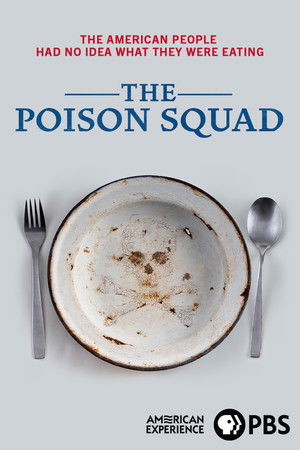
Through revealing interviews with experts and victims' families, this gripping documentary examines the problem of deadly foodborne illness in the US.
An intimate portrait of the woman whose groundbreaking books revolutionized our relationship to the natural world. When 'Silent Spring' was published in September 1962 it became an instant bestseller and would go on to spark dramatic changes in the way the government regulated pesticides.
Almost half of the residents in the South Bronx live below the poverty level. One in four do not have access to quality food. Anita, among others, makes difficult choices to provide for her family. She depends on the local food pantry to make ends meet.
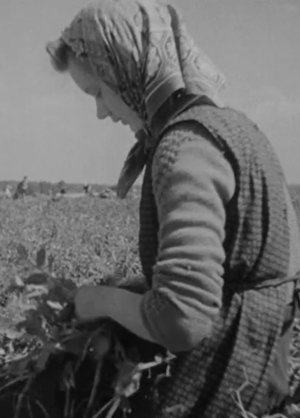
Women workers stand up to the toxic flower industry in Colombia.
The successes and failures of a couple determined to live in harmony with nature on a farm outside of Los Angeles are lovingly chronicled by filmmaking farmer John Chester, in this inspiring documentary.
The 100-year story of the iconic restaurant chain Horn & Hardart, the inspiration for Starbucks, where generations of Americans ate and drank coffee together at communal tables. From the perspective of former customers, we watch a business climb to its peak success and then grapple with fast food in a forever changed America.
Documentary on water usage, money, politics, the transformation of nature, and the growth of the American west, shown on PBS as a four-part miniseries.
Examines the profound claim that most; if not all; of the degenerative diseases that afflict us can be controlled; or even reversed; by rejecting our present menu of animal-based and processed foods. The idea of food as medicine is put to the test. Cameras follow "reality patients" who have chronic conditions from heart disease to diabetes. Doctors teach these patients how to adopt a whole-foods, plant-based diet as the primary approach to treat their ailments - while the challenges and triumphs of their journeys are revealed.
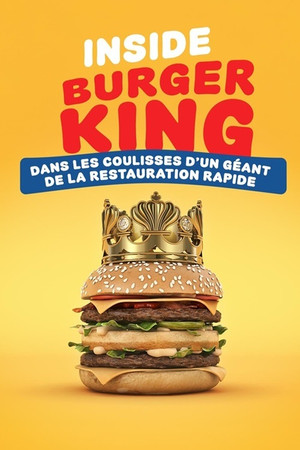
They are everywhere. At home, in the canteen, in restaurants, processed foods fill our plates. Overcome by obesity, diabetes, heart disease, taste dulled by the easy and artificial flavors of gastronomy, the population no longer has a choice. For fifty years, the agri-food industry has been at our table. And she stuffs herself. Indulgence or complacency with regard to this takeover, the authorities only exercise limited and a posteriori control over this mountain of foodstuffs that are too fatty, too sweet, too salty. Unlike the good recipes of our grandmothers, inspection in the back kitchens of these feeders.
A modern-day take on Upton Sinclair's shocking 1906 novel, The Jungle unravels centuries of greed and exploitation in America’s meat industry and reveals how indigenous knowledge may hold the key to creating an equitable food system for both people and the planet. Featuring former New York Times food columnist Mark Bittman, the film chronicles generations of profit-driven conglomerates manipulating our food system, destroying ecosystems, and exacerbating climate change. Industry insiders detail the roadmap for today’s corporate dominance. Simultaneously, slaughterhouse laborers fight for justice against relentless worker abuse. Others, like Paige and Derrick Jackson, have lost trust in the system, radically changing their lives to raise their own food. Committed to rebuilding our perpetually broken meat industry, Minnesota farmer Reginaldo Haslett-Marroquin begins to graze his chickens using an indigenous technique. The effects are a revelation.
A team of journalists investigate how human trafficking and child labor in the Ivory Coast fuels the worldwide chocolate industry. The crew interview both proponents and opponents of these alleged practices, and use hidden camera techniques to delve into the gritty world of cocoa plantations.
This documentary takes a piercing investigative look at the economic, political and ecological implications of the worldwide disappearance of the honeybee. The film examines our current agricultural landscape and celebrates the ancient and sacred connection between man and the honeybee. The story highlights the positive changes that have resulted due to the tragic phenomenon known as "Colony Collapse Disorder." To empower the audience, the documentary provides viewers with tangible solutions they can apply to their everyday lives. Vanishing of the Bees unfolds as a dramatic tale of science and mystery, illuminating this extraordinary crisis and its greater meaning about the relationship between humankind and Mother Earth. The bees have a message - but will we listen?
The story of the children who work 12-14 hour days in the fields without the protection of child labor laws. These children are not toiling in the fields in some far away land. They are working in America.
Chris van Tulleken takes a personal view at why ultra-processed foods are so irresistible and how they have come to dominate food culture.
In the middle of an economic crisis, in the shadow of Wall Street, an institution that represents a less well-known American tradition is booming. The Park Slope Food Coop: a cooperative supermarket where all 16,000 members work 3 hours per months to earn the right to buy the best food in New York at incredibly low prices. The success of this cooperative is a bad new for capitalism and aggro-alimentary business, and an opportunity to change the food production and distribution systems. We will see what has become of the Park Slope Food Coop, now a well-rooted institution in the heart of Brooklyn: the way it functions, its hundreds of rules, the diversity and eccentricity of its members. We'll see how the culture that has been created at the coop gives its members daily visceral lessons in democracy, how this could represent a potential change in mentality for Americans faced with increasingly difficult economic times.
The moral dimension of humanity's interaction with nonhuman animals and the industries that profit from their exploitation, as informed by world religions. A historical explanation of how the current global situation came to be.
All food can be adulterated. More discreet than a drug cartel, more elusive than arms dealers, criminals have taken over food. Olive oil, fish, meat, spices, no department escapes their juicy traffic. A jackpot estimated in Europe at 30 billion euros enriches a new kind of mafia every year. Organized crime is selling altered products in restaurants, supermarkets and all food shops in the European Union. Their secret is to replace an ingredient with a cheaper one. Who are these new traffickers? What are their methods of operation?
Tobacco, climate change, pesticides,... Never has scientific knowledge seemed so vast, detailed and shared. And yet it appears to be increasingly challenged. It is no longer surprising to see private corporations put strategies in place to confuse the public debate and paralyze political decision-making. Overwhelmed by excess of information, how can we, as citizens, sort out fact from fiction? One by one, this film dismantles the workings of this clever manoeuvre that aims to turn science against itself. Thanks to declassified archives, graphic animations and testimonies from experts, lobbyists and politicians, this investigation plunges us into the science of doubt. Along with a team of experts (philosophers, economists, cognitive scientists, political men, or even agnotologists), we explore concrete examples of doubt making and try to understand the whole process and the issues behind it.
Canned Dreams shows the multi-branching network of the modern food industry. The Finnish consumer buys a can in the grocery store, but where from far away do the raw materials and packaging materials for the preserves come from - and through how many hands? The film not only traces the various stages of the production process, but gives a voice to the people who work as part of it.