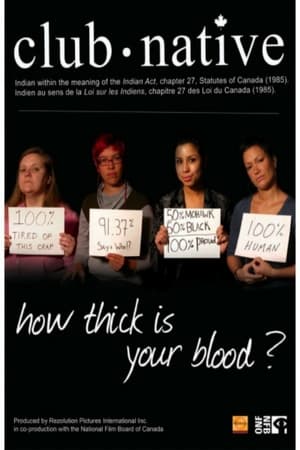
With moving stories from a range of characters from her Kahnawake Reserve, Mohawk filmmaker, Tracey Deer, reveals the divisive legacy of more than a hundred years of discriminatory and sexist government policy to expose the lingering "blood quantum" ideals, snobby attitudes and outright racism that threaten to destroy the fabric of her community.
As a sea nomad, Hook grew up with the ocean as his universe. Now he must make a courageous voyage to salvage the remains of his dying culture
Two Lawalapiti young men from Alto Xingu learn to build a canoe from the bark of the jatobá tree, a quick and simple technique that leaves the tree still rooted and alive, and that has ceased to be used and is only known by the oldest Lawalapiti men.
Ikátena
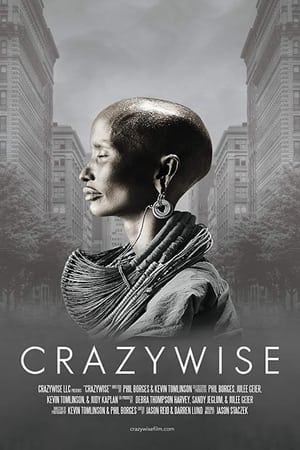
Western culture treats mental disorders primarily through biomedical psychiatry, but filmmakers Phil Borges and Kevin Tomlinson reveal a growing movement of professionals and survivors who are forging alternative treatments that focus on recovery and turning mental “illness” into a positive transformative experience.
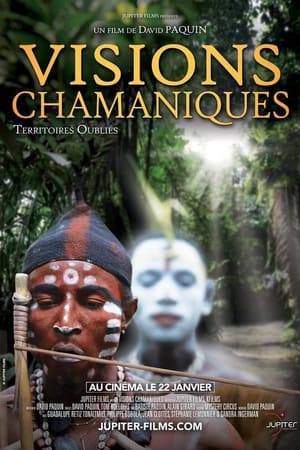
This film is an initiatory journey among the Fangs of Gabon and the Shipibos of Peru. With the sound of traditional instruments like the mogongo (arc in the mouth), the holy harp, and the Icaros, we discover the traditional peoples’ wisdom.
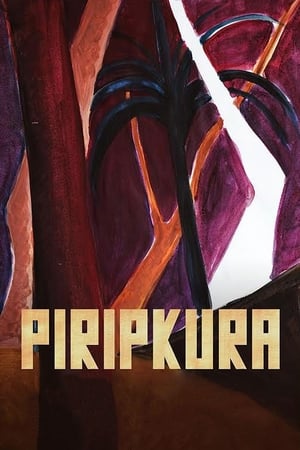
The last two surviving members of the Piripkura people, a nomadic tribe in the Mato Grosso region of Brazil, struggle to maintain their indigenous way of life amidst the region's massive deforestation. Living deep in the rainforest, Pakyî and Tamandua live off the land relying on a machete, an ax, and a torch lit in 1998.
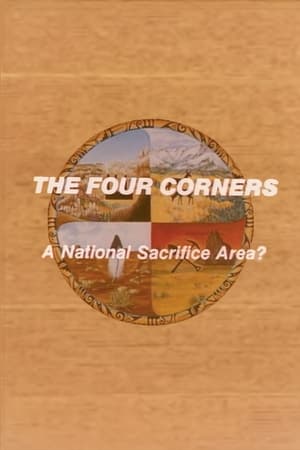
Documents the cultural and ecological impacts of coal stripmining, uranium mining, and oil shale development in Utah, Colorado, New Mexico, and Arizona – homeland of the Hopi and Navajo.
Atikamekw elder Cézar Néwashish continues to recount the history of the community of Manawan that first began in The History of Manawan: Part One. As Christianity and European customs take deeper root in the community – abetted by residential schools and aggressive assimilationist government policies – seemingly irreversible changes to significant customs begin to unfold. Despite these struggles, the people carry on. This short is part of the Manawan series directed by Alanis Obomsawin.
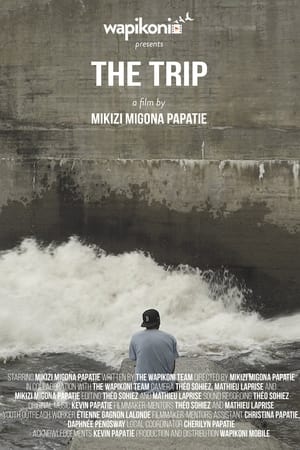
In this honest and deeply personal account of living with addiction, a young man talks about the realities and challenges of living in the Anishinaabe community of Kitcisakik and the hope he still harbours for himself and his people.
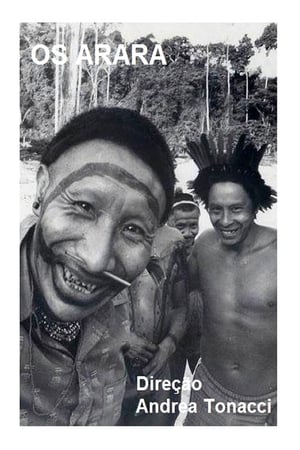
Documentation of the preparations and expeditions of the Frente de Atração Arara da Funai, in the state of Pará, Brazil. With the construction of the Transamazônica, the Arara territory (without contact with the white man) is cut in half, and the Indians react by attacking the workers. Aware that all contact is a creation of dependency, the sertanista Sydney Possuelo, who also reflexively narrates the documentary, leads the expeditions that aim to identify the groups, how many individuals there are, establishing territorial limits to protect the area against invaders and loggers in the region.
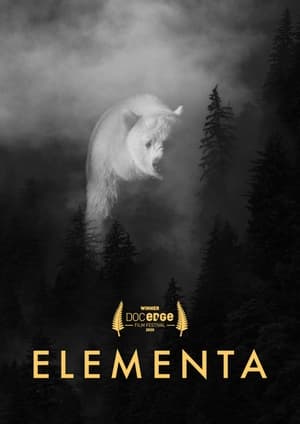
A black-and-white visual meditation of wilderness and the elements. Wildlife filmmaker Richard Sidey returns to the triptych format for a cinematic experience like no other.
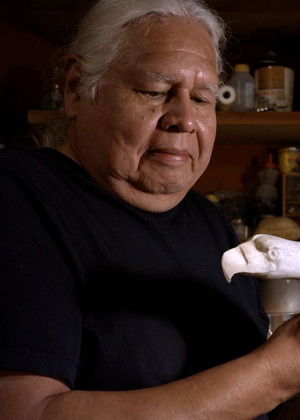
Stan Hill Jr. is a Haudenosaunee artist living in Miawpukek First Nation Reserve, Conne River, Newfoundland. In “The Bear Inside a Whale,” he and his family discuss racism, identity, religion, creation and art, along with the cultural extinction of the Beothuk of Newfoundland. Throughout the film, we follow Stan carving a bear out of a whale vertebra. And we visit The Rooms (museum) in St. John’s, Newfoundland, where Stan talks about viewing and reclaiming Indigenous artefacts.
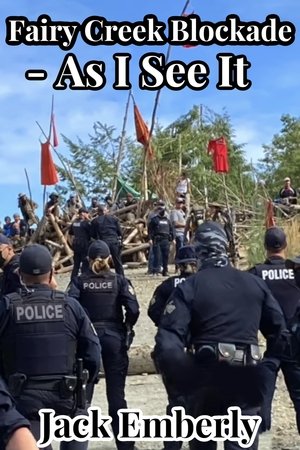
Mainland reporter hears about protest on Vancouver Island and decides to visit and see it for himself. He spends time to meet people there from both sides, revealing what it is really all about.
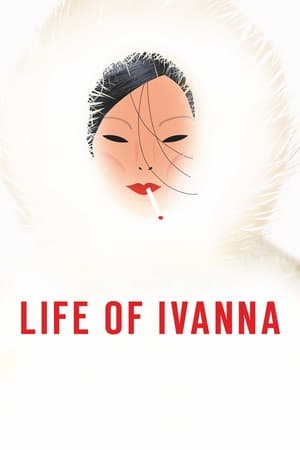
A sensitive and intimate portrait of Ivanna, a nomadic reindeer herder in the Russian Arctic and mother of five small kids. Ivanna is forced to leave the traditional way of life and emigrate to the city, following her own dreams, due to the quickly deteriorating conditions of life in the tundra. We follow her life for several years.
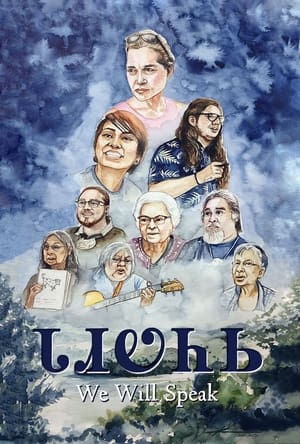
The Cherokee language is deeply tied to Cherokee identity; yet generations of assimilation efforts by the U.S. government and anti-Indigenous stigmas have forced the Tri-Council of Cherokee tribes to declare a State of Emergency for the language in 2019. While there are 430,000 Cherokee citizens in the three federally recognized tribes, fewer than an estimated 2,000 fluent speakers remain—the majority of whom are elderly. The covid pandemic has unfortunately hastened the course. Language activists, artists, and the youth must now lead the charge of urgent radical revitalization efforts to help save the language from the brink of extinction.
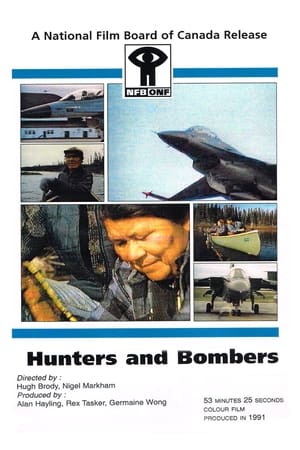
The hunters are the Innu people and the bombers are the air forces of several NATO countries, which conduct low-level flights over the Innu's hunting terrain. The impact of the jets is hotly debated by peace groups, Indigenous people, environmentalists and the military. But what is often overlooked are the many complex changes underway in Innu society, as social and technological changes confront a traditional hunting culture.
The two-year National Inquiry into Missing and Murdered Indigenous Women and Girls, established by Ottawa, heard from 1,484 survivors of violence and their loved ones, as well as numerous experts. What will come next?
Two pairs of sisters humorously share their point of view on prejudices against First Nations.
Las Raíces del Roble