In this video essay, the filmmaker reflects on the contrast between himself and the space around him, a student dormitory.
Grata
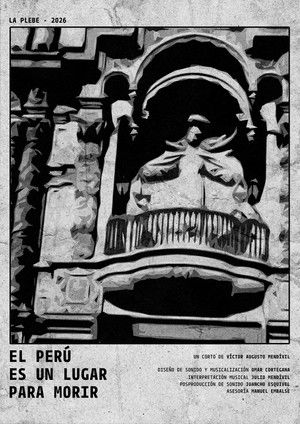
Using footage filmed in Peru in 1950 by a foreigner, Víctor writes a letter to his son to question the country he will inherit: among heartbeats and ruins, he searches for a hope that still endures amid disillusionment.
Fragmentos del reflejo en el espejo
Desesperadas medidas
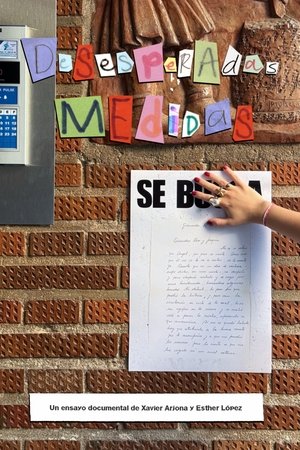
Can an adolescent experience define our perception of love? Can or should everything be connected or have a reason? A character recounts to his niece or nephew, in the form of a confession, an event from his adolescence that defines his particular way of perceiving love. While this exercise serves to tell a story that, regardless of genre, has surely been experienced by more than one person, it expresses the director's idea that discourse can sustain a work on its own, even if what is depicted on screen appears to have no connection.
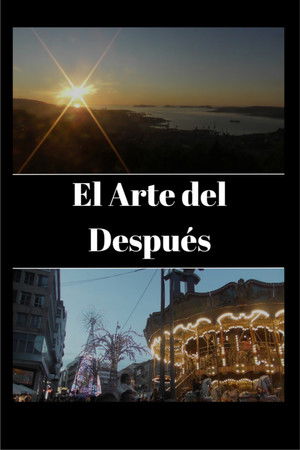
Growth is beautiful, and often progress, too, but if it's not measured, growth can be predatory. Made using the principles of essay film, and using an anonymous character, this film chronicles and critiques how provincial cities grow, change, and gradually lose their identity.
El Arte del Despues
Ensayo 1º: Conversación.
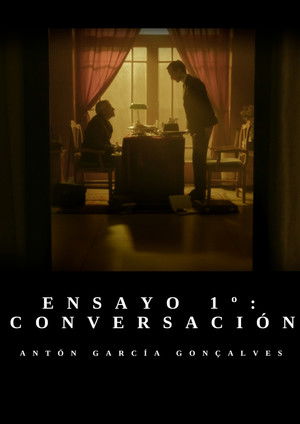
A young man tries to charm a figure similar to himself.
Marcha al límite austral de la patria
A hobo on roller skates creates havoc in Chicago's Old Town neighborhood
Anthony Blake: el Sol es el cerebro de la Tierra
A documentary about the lives of five working artists (two musicians, an actor, and two fine artists) who may not be household names, but have been successful making a living with their art.
The urge to participate in wars in East Asia. Propaganda aimed at the Indonesian population with text, among others, comes from the national anthem of Indonesia Raya.
A New York Times documentary mini-series revealing the dark and troubling history of Soviet and Russian misinformation campaigns on foreign governments.
Negro Leo, recording session.
A documentary that explores the roots and consequences of Argentina's profound economic, political, and social crisis. It offers a critical and analytical look at a system that has proven insufficient and socially unsustainable as a form of development in an Argentina that has witnessed a severe and violent crisis that demands a new form of development and social organization to overcome.
After the loss of his beloved grandfather, young Mundinho finds the whale the old fisherman always spoke of. As it rests beside him on the beach, day after day, Mundinho comes to terms with his grandfather's death with the help of a close friend.
Wana and Iti face off against Wahapī, the evil piano playing wasp.