Filmed during summer 2019, Jesus Is King brings Kanye West’s famed Sunday Service to life in the Roden Crater, visionary artist James Turrell’s never-before-seen installation in Arizona’s Painted Desert. This one-of-a-kind experience features songs arranged by West in the gospel tradition along with new music from his forthcoming album.
A portal, a sorceress, a fictional device to portray existence as a moment encapsulated inside an instantaneous photograph to present fragmented biographical elements —family disintegration, rootlessness, scars, two loyal companions, the promises of a new land—subverting the notion of a home-movie and transform it into a pilgrimage tool of self-discovery, mirroring the fragile nature of memories.
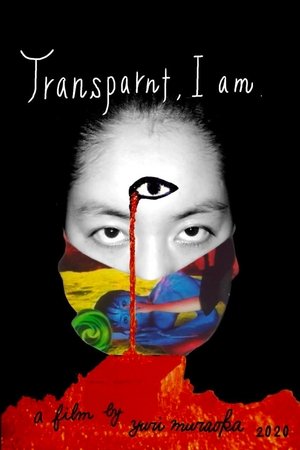
In the year 2020, when the world was forced to ‘change’, I wanted to confirm what changed and what did not change in me. The white mask I wore became the screen projecting my past. My family is sometimes hurt, but support me as I suffer from schizophrenia. We live today while looking for the answer to ‘Who are we?’
Phyllis Bigler has been going to the Spanish Peaks of Colorado since she was a child. Now in her 90s, she tells her stories.
In 2002, Lana Kaiser became well known in the first season of the German version of the Idol television franchise. She was born in 1985 and went by her birth name Daniel Küblböck. At only 17 years old she polarised the audience with her androgynous appearance and open bisexuality. On September 9th 2018, Lana disappeared from a cruise ship on her way to North America. Most media outlets and the majority of the public didn‘t consider calling her by her chosen name, Lana Kaiser. Philipp Gufler's video installation is a personal portrait of the singer and entertainer.
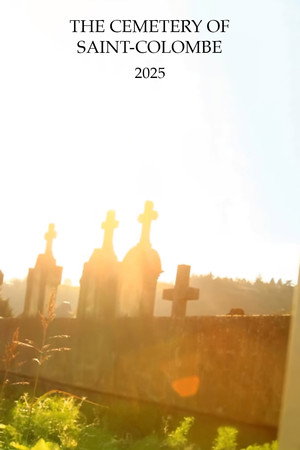
A study of observations around the ancient monument of the temple of Augustus and Livia and to cities of Vienne, Chonas-l'Amballan and Saint-Prim. Firstly proposed as a sort of ghost hunting, the project seems to focus on a world of figures, the whispers of the roads, diegetic/non-diegetic sounds and a camera that tries to investigate under fragments of logic and articulating cuts.
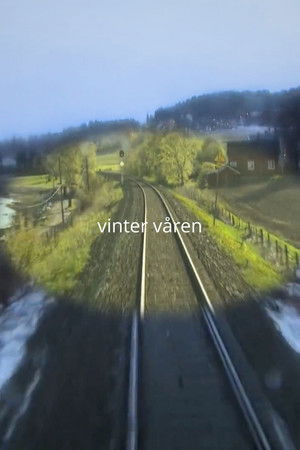
A train moves through winter as a superimposed image of the same route in spring gradually emerges. Both moments coexist within a single frame, revealing two seasons happening at once.
Through phone call conversations, an aspiring Ilocano filmmaker relates to his mother working in Italy about his dreams and struggles while documenting the invisible betweenness of their language and distance.
After discovering a stranger’s livestream, a month unfolds under his balcony, through watching and being watched.
A short film on breathing and quiet afternoons.
You go to hell, and it's Jacksonville.
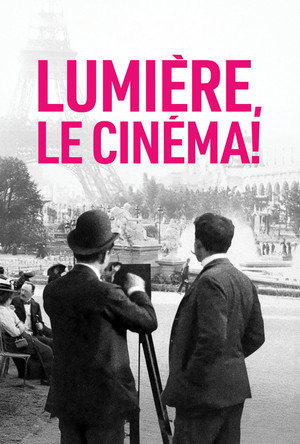
In one of those wonderful coincidences of history, lumière, the French word for “light,” was also the last name of brothers Auguste and Louis, whose brilliant invention, the cinematograph, helped to inaugurate the most beloved art form of the last 130 years. Institute Lumière director Thierry Frémaux uses Lumière, Le Cinema! to guide the viewer through over a hundred shorts—some famous, some forgotten, some never before seen—directed by Lumière and company. In the process, Frémaux illuminates how the brothers employed the camera as a creative instrument as they (and their operators) mastered framing, staging, and subject selection for quotidian and exotic microdocumentaries as well as the first ever fictional motion pictures. The result is not only a glorious re(telling) of the genesis of cinema but a profound meditation on the beautiful world captured—and the mysterious world imagined—by the Lumières.
Disjointed moments from the filmmakers’ daily lives during the past year. Captured on a 1985 VHS camcorder with color and luminosity distorted by its failing color Newvicon tube. Cut with distorted tape-recorded fragments of nostalgic broadcast television ephemera. Scored by whatever was handy— from an ambient electronic song with a surprising amount of pipe organ (Oneohtrix Point Never - Boring Angel) to midi versions of your favorite SNES soundtrack (Donkey Kong Country – Aquatic Ambience, Opening, and Treetop Rock) to a not-quite-right rendition of a song that will make you want to say “Oh, Angelo, that’s tearing my heart out!” (Xiu Xiu – Falling). A voyeuristic peak at home movies that exist somewhere between soon to be forgotten and forgotten long ago. The occasional dot matrix time stamps in the corner of the footage somehow make it harder to place in time.
That Child with AID$ tells the story of Brazilian advocate and artist Lili Nascimento, who was born with HIV in 1990. Lili has worked to expand narratives about living with HIV beyond the limited images and ideologies that permeate the AIDS industry.
Heart Murmurs is a poetic dialogue between the filmmaker and Dean, a young man living in Hong Kong. In reflecting on his experience living with a congenital disability and HIV during the first years of the COVID pandemic, Dean expresses his sense of self in the face of regular medical challenges.
This Bed I Made presents the bed as a place of solace and agency beyond just a site of illness or isolation. Through the shared stories of two Filipino men living with HIV, the video explores modes of care, restoration, and abundance in the midst of pandemic pervasion.
Losing the Light reflects the artist's bitter battle to stay in this world as a long-term survivor of AIDS who has lost his vision to CMV retinitis. An experimental self-portrait, the video evokes the dissolution and fragmentation of the artists body, representing the impact of blindness, long-term HIV infection, and the cumulative effects of decades of antiretroviral medication.
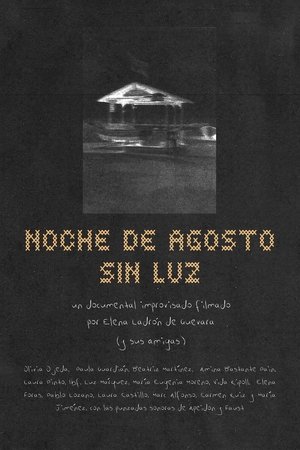
Noche de agosto sin luz
A documentary about the sea and memory. Its movement is its form. Its strength.
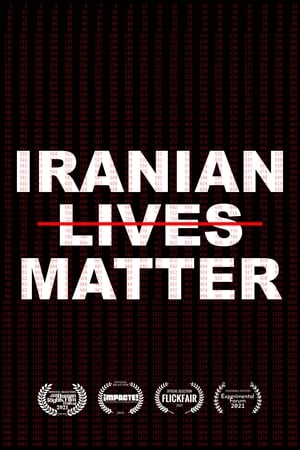
An experimental film about narrations of two journal photos from Iran's revolution in 1979.