River Monsters Presents: Killer Catfish Extended Cut
The 90-minute DVD includes 30 different grappling scenes, also included a segment on the video year called Grabblin' 101. It's for anyone who wants to start grabblin' and needs some tips. We go to the lake in the winter months and show video footage of good catfish holes and different types of manmade setups. We also show demonstrations on how to pull the catfish from his hole and the types of poles that we use when the catfish are too far back in the hole to reach with your hand.
Agora Eu Sou Negro
Emma Dabiri looks at racism in Britain via the world of modern dating, love apps, and a national survey suggesting that young Britons could be more segregated than ever.
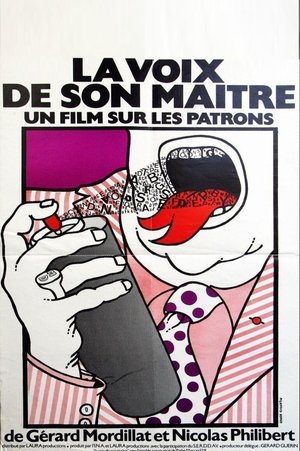
Jacques Lemonnier of IBM France, Francois Dalle of L'Oreal and other ultrapowerful French moguls are surprisingly candid -- and cold-blooded -- as they discuss their attitudes about business in this startling 1978 documentary. After sounding off about unions, strikes, hierarchy and management, the subjects realized how callous they sounded and managed to convince the French government to suppress the film.
Inquietas
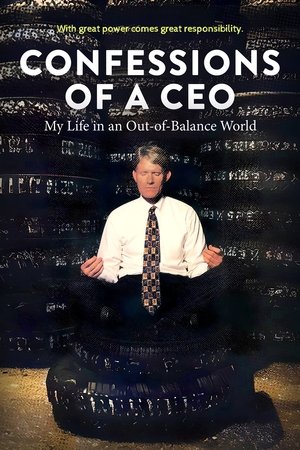
A bare-knuckled critique of corporate America told through the powerful true story of a toxic CEO who evolves from a profits-over-people, philandering executive to an unorthodox leader, populist messenger, and mentor to American influencers. It’s a story of growth, redemption and the impact of self-awareness on leadership and life.
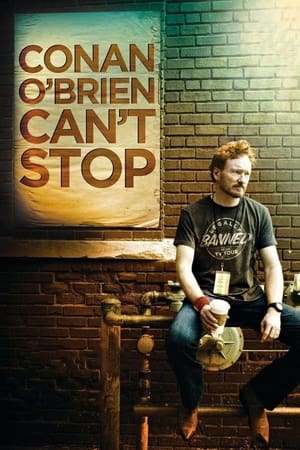
A documentary that follows the former Tonight Show host. Filmed during Conan’s ”Legally Prohibited From Being Funny on Television” comedy tour, after his departure from the Tonight Show, taking viewers on an intimate journey of O’Brien’s life.
A group of British children aged 7 from widely ranging backgrounds are interviewed about a range of subjects. The filmmakers plan to re-interview them at 7 year intervals to track how their lives and attitudes change as they age.
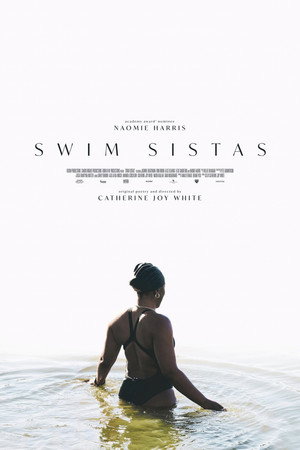
Swim Sistas follows the swimming journeys of three very different Black girls/women as barriers are broken down in the water.
The Black Contribution – Literature and Theater 1978 is a rare documentary highlighting the voices and cultural impact of African American writers and performers during the civil rights era. Introduced by NAACP leader Benjamin Hooks and narrated by Roscoe Lee Brown, the film weaves together dramatic readings, theatrical excerpts, and candid urban street footage. Margaret Walker’s poem For My People is performed alongside scenes of daily Black life in New York City — children playing, families on stoops, open fire hydrants, and the realities of poverty in 1970s neighborhoods. James Baldwin appears in interview footage, while signs for his play The Amen Corner and stage excerpts from Lorraine Hansberry’s A Raisin in the Sun underscore the powerful presence of Black voices in American theater. With rare shots of Harlem life, literature, and performance, this film documents the enduring contributions of African American artists to U.S. culture and history.
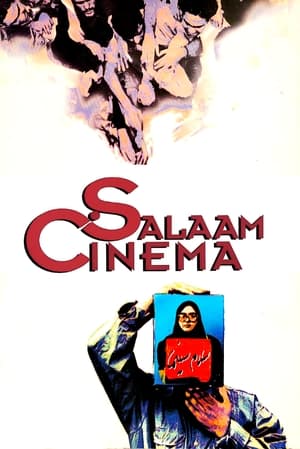
Makhmalbaf puts an advertisement in the papers calling for an open casting for his next movie. However when hundreds of people show up, he decides to make a movie about the casting and the screen tests of the would-be actors.
The profound story of Lucy Temerlin, a female chimpanzee raised as human from birth in a domestic environment, and Janis Carter, the woman who took on the seemingly impossible task of giving her a new life in the wild.
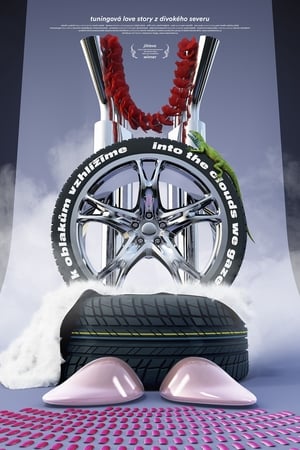
A gentle love story from the harsh environment of northern Bohemia.
Since August 2024, in Martinique, a popular protest movement against the high cost of living has been reemerging under the leadership of the RPPRAC (Rassemblement Pour La Protection Des Peuples Et Des Ressources Afro-Caribéens – Gathering for the Protection of Afro-Caribbean Peoples and Resources). On the island, food prices are on average 54% higher than in mainland France.* Through various cultural figures, the people of Martinique are expressing their anger and seeking concrete solutions. *Source: Kiprix, Price comparison between supermarkets in the French overseas territories and mainland France.
How independent are we in our judgments? How do other people influence us? Being like everyone else is a natural desire of a child. He often succumbs to suggestion and passes out someone else's opinion for his own. But for an adult, this is a loss of personality, adaptability, conformism, which forms the psychology of a slave.
Taking the demise of a textile factory in Austria’s Waldviertel region as its starting point, with the antiquated manufacturing plant initially shown in full operation, this film poses the question of what work means for people’s self-image and character. After the factory goes bankrupt and closes, the filmmaker accompanies some of its employees as they continue to make their way, questioning them about their daily routines, the circumstances in which they live, about looking for work or the new jobs they find. One woman’s situation is precarious, but that doesn’t prevent her from bringing up her grandchildren. Another woman works here and there, flexible and resourceful. One man blossoms visibly in his newly unemployed state. Bit by bit, different aspects of their private lives and personal misfortunes emerge.
Three teenage women struggle to balance school and passion on their path to success.
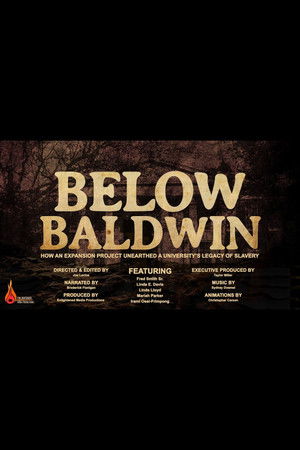
On November 17, 2015, construction on Baldwin Hall on the University of Georgia campus came to a halt when workers uncovered human remains on the site. DNA tests revealed what many local residents already knew to be true: these were the remains of formerly enslaved people. This uncovering and the events that followed have forced the often-omitted histories of slavery and segregation to rise to the surface, both at the University of Georgia and in Athens. “Below Baldwin”, featuring Fred Smith, Linda Davis, Alvin Sheats, Linda Lloyd, Mariah Parker, Broderick Flanigan, and others, chronicles the series of events between November 2015 and December 2019. But more than that - this documentary showcases a community’s persistent efforts to connect to its past and to win recognition and redress – for both past and present injustices.
In an office, a row of desks, with people facing each other. This is where unemployed people come to meet with their supervisors. At stake: their benefit payments. Here everyone has to abide by the same rigid procedure and bureaucracy but each has their own life, their own story. © Filmer à tout prix