Los Palenqueros du Pacifique colombien : cinq siècles de solitude
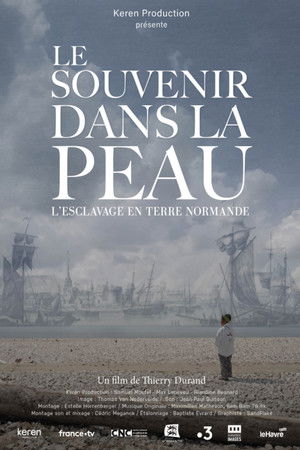
Le souvenir dans la peau, esclavage en terre normande
Vers la seconde abolition de l'esclavage dans les colonies françaises de 1802 à 1848
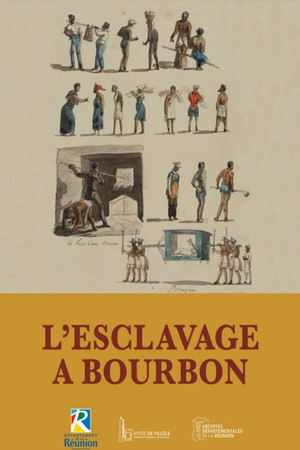
L'esclavage à Bourbon
L’esclavage au cinéma, la fin d’un tabou ?
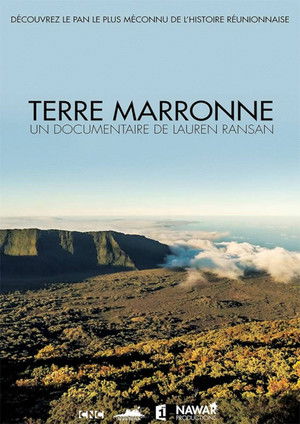
Terre marronne
Le Diable noir
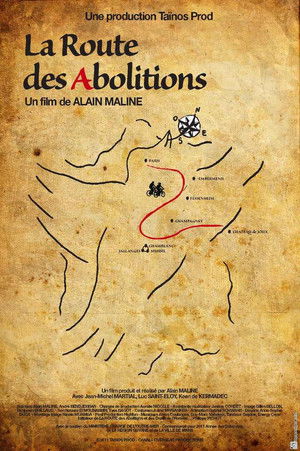
La Route des abolitions
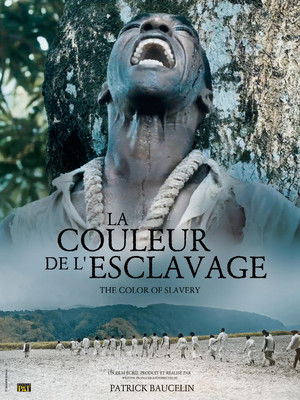
La Couleur de l'esclavage
10 mai Africaphonie
Ne suis-je pas ton frère ? La Société des Amis des Noirs 1788-1794
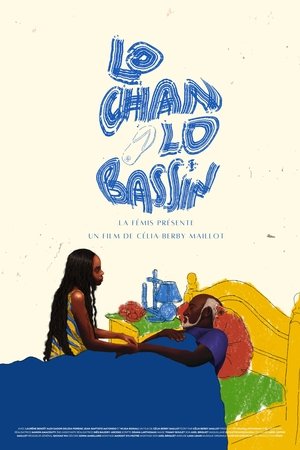
In this short film, in search of a cinematic grammar more in tune with Creole imaginary and oral tradition, we follow Ondine's quest. She returns to La Réunion after an absence of four years, because her Pépé, a local zarboutan, is dying. Just as she has to say goodbye, Ondine has a strange encounter in a pond.
Au nom de nos ancêtres, esclaves et négociants
Divided into five parts, this film traces the long strike by workers at the Caravelair caravan factory in Trigniac, near Saint-Nazaire, led by the C.G.T. and C.F.D.T. unions. Shot in 1975, the film achieved the strange feat of being produced entirely by workers' producers - 15,000 of them paid in advance for their tickets - and of being amortized, and even made profitable, by being shown outside the commercial circuit alone.
A silent excavation of everyday objects gradually reveals the site as Auschwitz-Birkenau, turning archaeological work into a stark meditation on memory and loss.
The film consists primarily of degraded footage of landscapes shot from vehicles moving across the country; meanwhile, 537 computer-generated permutations of the film’s title appear like subtitles—the letters are scrambled over and over again, undermining the meaning of Pierre Trudeau's infamous motto.
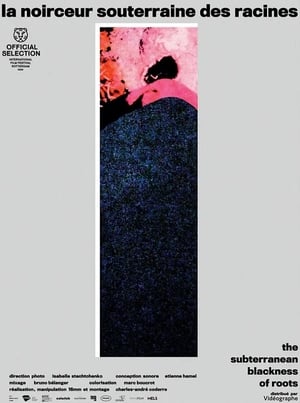
Shot in Quebec, Canada, The Subterranean Blackness of Roots is a 16mm film triptych which uses several processes specific to analog cinema (hand processing, optical printing, photochemical alteration). The film seeks to show the sensory experience of the invisible life of stones, plants and the nature that surrounds us. It’s a dive into the heart of matter, the essence of the vegetal world and the nourishing earth.
Flucht vor Hitler - Die Wiener in China
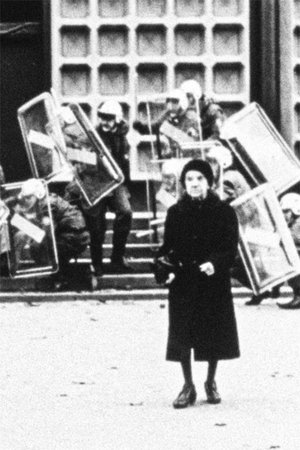
This experimental film is constructed from still photos of the violent protests in response to then-US President Ronald Reagan’s visit to (West) Berlin in 1982 and illustrations by the French artist Gustave Doré.
A female voice narrates, as if it were an educational film or a report, the social changes that have taken place as a result of the digital imposition on all aspects of life: a new achievement of the “American Dream”.