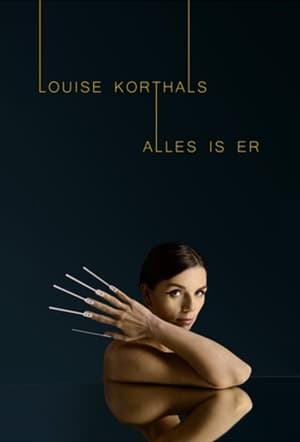
TV-adaptation of the fourth solo show by Dutch comedian Louise Korthals. In her own words: "This show is about what we pass on to the next generation."
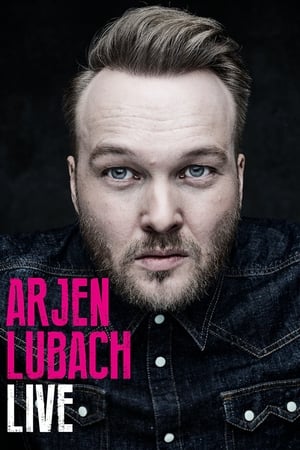
Inspired by a fan, TV satirist Arjen Lubach makes the move from the news desk to the stand-up stage to share his search for life’s secrets. Plus, music!
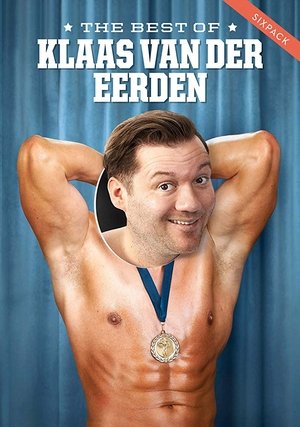
Klaas van der Eerden: Sixpack
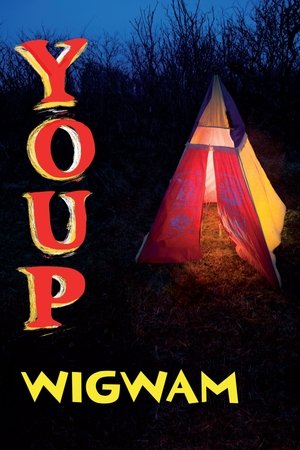
Youp recently found his fifty year old wigwam, which made him - when he was little - delighted.
Maassen won two of the biggest comedy contests in the Netherlands in 1990, the Groninger Studenten Cabaret Festival(GSCF), and Cameretten. The GSCF jury was not pleased with the quality of the contestants that year, and gave Maassen the first prize, remarking he was the best of the year, but still not very good. In the following years, however, Maassen fame grew steadily, especially amongst students. Maassens style was based on stand-up comedy: Alone on stage, telling jokes and stories to amuse the public, without any musical support (a thing common for most Dutch comedians up to that point). Since 2000, Maassens shows are shown on Dutch national television, making him more and more a household name.
Since 2016, Xander De Rycke has been touring annually with 'Houdt het voor bekeken' (#HHVB), a comedy special about the past year in television and film in Flanders. Previous editions of HHVB focused on the future of Flemish media. Where are we headed? How far ahead are we compared to the rest, and where do we stand head and shoulders above the rest? HHVB 2018·2019 takes a different direction. Increasingly, film and television are treating us to that 'remember when?' feeling. Franchises are being rebooted, old celebrities are being brought back, and we also have to keep an eye on VTM's 30th anniversary. Was everything better in the past? Is there still room for originality? Or do Flemish people prefer to be wrapped in a blanket of nostalgia? We will discover this together and, above all, have a lot of fun in the fourth season of 'Xander De Rycke houdt het voor bekeken' (Xander De Rycke calls it quits)..
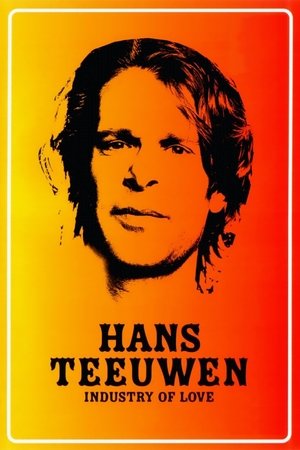
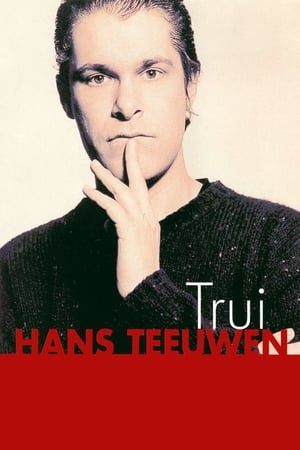
Teeuwens fifth stand-up show is about love. Small, large, hidden, the physical, the famous and the improper love. Hans Teeuwen unravels that love into forms that you do not recognize, but can very surely sense.
Maassen won two of the biggest comedy contests in the Netherlands in 1990, the Groninger Studenten Cabaret Festival(GSCF), and Cameretten. The GSCF jury was not pleased with the quality of the contestants that year, and gave Maassen the first prize, remarking he was the best of the year, but still not very good. In the following years, however, Maassen fame grew steadily, especially amongst students. Maassens style was based on stand-up comedy: Alone on stage, telling jokes and stories to amuse the public, without any musical support (a thing common for most Dutch comedians up to that point).
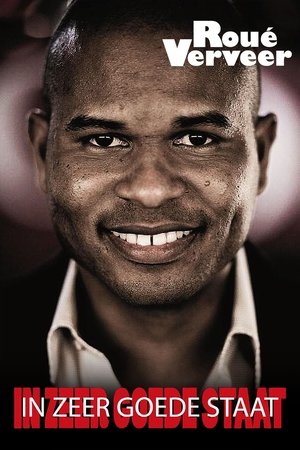
Roué Verveer: In Zeer Goede Staat
Comedian Patrick Laureij grew up in Rotterdam-Zuid and uses his life experience to talk about underage drinking, kickboxing, and playgroups.
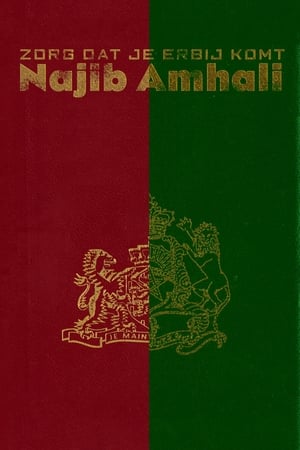
The tour for "Zorg dat je erbij komt" was completely sold out. For three shows at the Meervaart, more than 150,000 people wanted tickets in just one weekend!
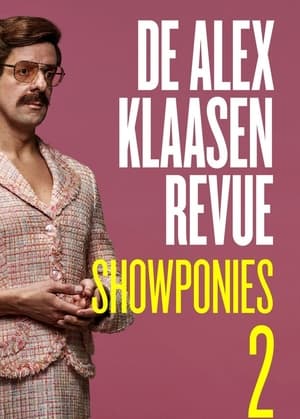
A video-registration of the revue/cabaret show 'Showponies 2' by the Alex Klaasen Revue. In this sequel to the first Showponies-show, Alex Klaassen explores to what extent he cares about what (the still quite heteronormative) society thinks. Klaassen considers coming out for a second time, because he feels like he has ended up in a second closet after his first coming out.
Emilio Guzman: Alle Mensen Verzamelen
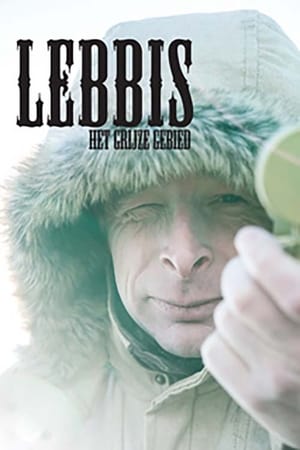
In his eighth show the Dutch comedian Hans Sibbel aka Lebbis looks for the interest that people have in their clarity and truth, and then kicks dents in it. Show recorded in the open air in the summer of 2013.
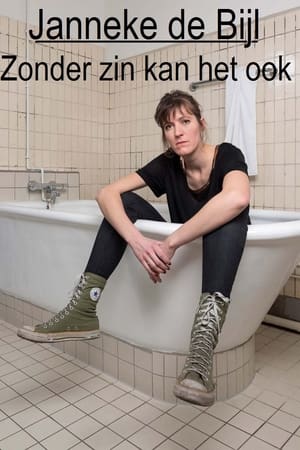
Video registration of the first comedy special by Dutch comedian Janneke de Bijl. After graduating in philosophy, De Bijl expresses her insight into the meaninglessness of life in her comedy. In her first comedy special she rants about her relationship, her sluggish environment and the whole self-help culture, which she has of course tried out for herself first. Janneke answers questions such as: how do you know whether to close your mails and why running doesn't solve anything?
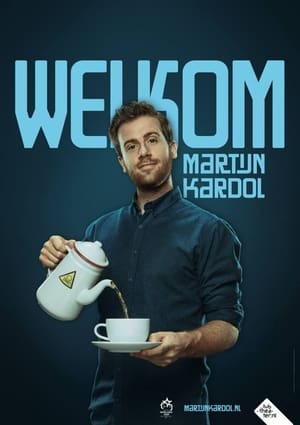
Video registration of the second comedy special by the Dutch comedian Martijn Kardol. A show about social distancing, the online life and individualism.
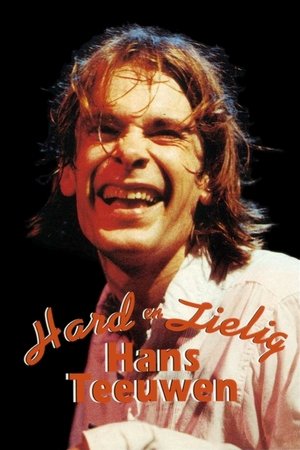
The first solo show of Dutch comedian Hans Teeuwen, the comedian is super-nervous and tells sad stories about past unfortunate love, loneliness and prejudice, accompanied solely by him playing the piano.He also tells tales about a fox, a scarecow, the young girl and the Seven Turkish an the Bible.
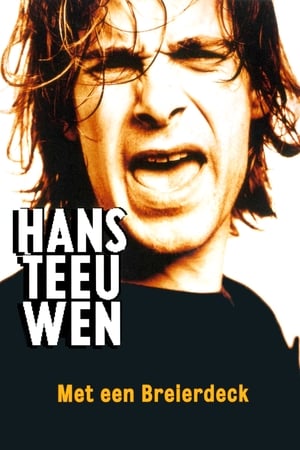
The second show of Dutch comedian Hans Teeuwen: sex, violence and foul language in a string of songs, abrupt transitions and evocative characterizations.
In his third theatre program the Dutch comedian Hans Teeuwen plays with empty wine bottles, little girls and himself. Poetic, absurd, false and genuine.
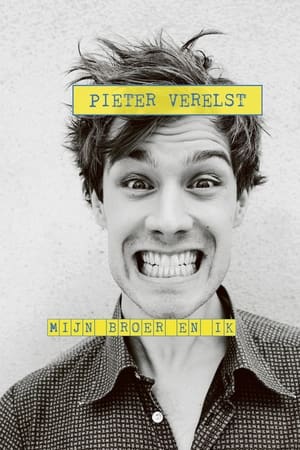
In his first comedy special the Flemish comedian Pieter Verelst tells a bizarre story about his childhood, which he spent with his brother (existing or not) in a boring village in Flanders. Together they tackle this dullness and use it as a source of inspiration for a strange creativity.