Experimental 8mm film.
A poetic essay. An Algerian soldier wanders through Algiers and the countryside, whilst a voiceover of the soldier's mother laments his death.
After developing a poem at the height of the lockdown on a dystopian journey through the streets of North London to the tranquil relief of the Park. The poem, illustrated with the occasional image, reflects the range of emotions many people have gone through in these difficult times.
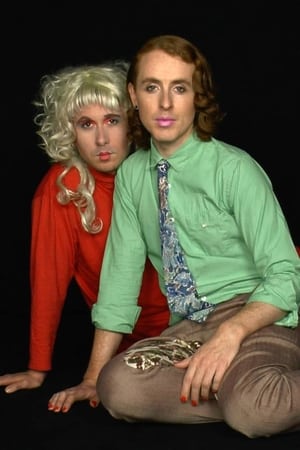
YOU ARE BORING! discusses the troublesome nature of “looking” and “being looked at” in larger contexts including labour within the new economy, performer/spectator relations, participatory culture, contemporary art display and queer representational politics.
Repurposing and manipulating classic film footage and the filmmaker’s personal footage, the film weaves a phantasmagoric narrative of a Chinese lady named Ma Li who dreams she is a Caucasian named Mary.
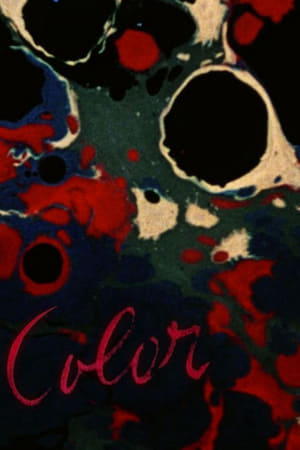
Perhaps the first experimental color film made in Uruguay, Color was the work of a pioneering woman filmmaker, still a teenager at the time of the film's completion. Millán had a number of vérité shorts under her belt by this point, but none in such gorgeous color.
An audio collage of snippets of narration culled from true crime TV shows, juxtaposed against serene Super-8 nature footage.
Escape Velocity II is an experiential experiment that brings the wild ethereal voices of Singaporeans to life through animation and sound visualisation. The film seeks to bridge human and non-human worlds.
Produced by the Museum of Contemporary Art Toronto; Arts at CERN, the arts program of the European Laboratory of Particle Physics, Geneva, with the support of the Permanent Mission of the United States to the United Nations, Geneva; Sprengel Museum, Hannover, with the support of Niedersächsische Sparkassenstiftung; and New Museum, New York
An introduction to Kim-Trang's video series on metaphorical and physical blindness, ALETHEIA explores the interconnected issues of cosmetic surgical alteration of the eyelids, technology, language, race and gender. This video is a highly graphic examination of dominant notions of normalcy, beauty and their effects and impositions on the body. Part of the Blindness Series.
Evolution and change are usually observed within a positive sphere, nevertheless and according to the history of humanity, we are stubborn beings reluctant to change and the unknown. I wrote this short with that thought in my mind. Mardi Darkness shows a small glance in the life of a recent graduate that resists to change, the possibility of happiness and above all the acceptance of his new life. Far away from his family, from what he once called home and his youth. The short film was made in an experimental fashion. It was initially framed as a sequence shot but it was just evoking melancholy and the chaos went too unperceived. For this reason, I decided to use a split screen technique to tell the story in a more chaotic and voyeuristic manner. It is as though it was seen through monitors that loop the life of a man who refuses to change, remaining so until it merges with the darkness of the screen and the unexplored.
This films fractures homogeneous conceptions of white masculinity through exploring the ways class produces different valences of whiteness. To do this, Andrea Slane presents a barrage of tabloid television stories of "real-life" violence and tragedy as she works through her own expressions of grief, guilt, anger and regret around the circumstances of her 20-year-old brother's suicide.
A collage of newsreels, trailers, clips and other visionary and unseen fragments of sight and sound regarding the late plastic artist Helio Oititica.
A memory-using location film of a stay with a uranium mining community. Using a kaleidoscopic array of experimental techniques, this film explores uranium mining in Canada and its destructive effects on both the environment and the women working in the mines. A plethora of images ranging from the women at work to spine-chilling representations of cancerous bodies are accompanied by unnerving industrial sounds and straightforward information from some of the women.
"Adrift" is shot on the arctic island of Spitzbergen and in Norway. It combines time-lapse photography with stop-motion animation of the landscape. Through camera-angles and framing the film gradually dislocates the viewer from a stable base where one loses the sense of scale and grounding.
This film is depicts early lesbian sexuality, using reenacted scenes from the experience of a 12-year old girl as the platform for a meditation on forbidden desire, transgression, and Lacanian psychoanalytic concepts of identity formation. Raw adolescent memories counterpoint staged scenes, exploring mechanisms of power and submission.
A look at the various modes of transportation made for the Expo '86 World Fair in Vancouver, Canada.
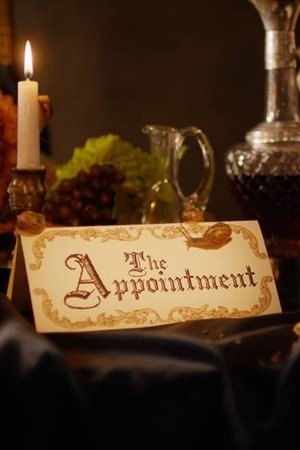
A darkly comic thriller, Alexandre Singh's "The Appointment" is a tale of doubling and mistaken identity that embraces the fantastical and supernatural qualities of Gothic literature, from E. T. A. Hoffmann to Roald Dahl. The protagonist is Henry Salt, an enfant terrible of letters who we meet as he wakes from a nightmare and discovers a confounding entry in his diary: “12 o’clock at the restaurant La Folie.” But who is Henry meeting? And why doesn’t he remember making this appointment? When no one appears at the scheduled time, Henry becomes obsessed with trying to uncover this person’s identity. Charging through a series of dreamlike encounters, he discovers that the truth is more disturbing than he could have imagined.
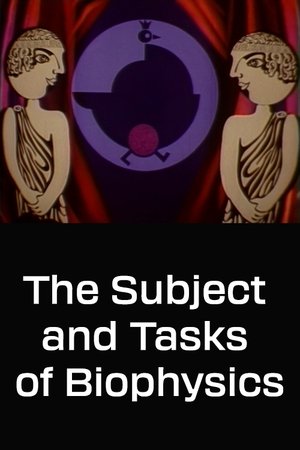
Experimental educational film reveals the emergence of some ideas of Biophysics in historical, philosophical and methodological aspects. The first film from the Biophysics Cycle (1982-1989).
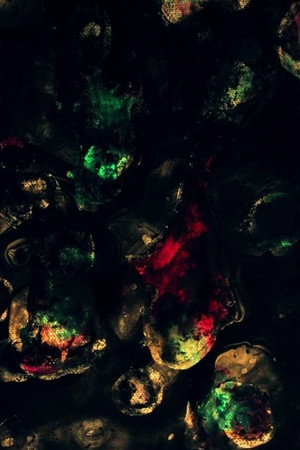
A short experimental animation influenced by micrographic images of cells, acids, bacteria, and viruses using the technique of painting on glass and stop-motion animation. Ink, canvas, paint, glycerin, water, oil, and glass.