Shots fired inside a club frequented by black Brazilians in the outskirts of Brasilia leave two men wounded. A third man arrives from the future in order to investigate the incident and prove that the fault lies in the repressive society.
Eva’s being allowed to leave the psychiatric institution she’s lived in for six years. After a long year of waiting, the news arrive: an assisted living residence is found for her. Eva takes the first steps towards the "normal" life she longs for: to find a job, earn an income of her own, visit her mother... even find love. While she’s taking stock of her past and works on her self-confidence as well as her trust in the outside world, she also fixes firmly on her main goal: to reconnect with the son she lost custody of 20 years ago and ask him to forgive her. The First Woman is a film about second chances, the search for "normality" and the borderline between lucidity and darkness.
This documentary follows the lives of several extraordinary people who have been diagnosed with social anxiety disorder. Through personal interviews, viewers learn about the symptoms, emotions, and challenges these people face and about the treatments available to help people on their road to recovery.
Hosted by Diane Sawyer, the program offers an intimate look at Bruce Willis’s life following his frontotemporal dementia diagnosis, and the strength and advocacy of his wife, Emma Heming Willis.
Boys on Film presents ten encounters from across the globe, where the dangerous allure of a risky attraction yields emotional results — proving that the age-old adage of taking the plunge is as relevant — and sexy — as ever before. The 10 short films are: My Uncle's Friend [O Amigo do Meu Tio] (2021); Budapest, Closed City [Budapest, zárt város] (2021); Eden (2020); Chaperone (2022); Break Me [Knus meg] (2018); By His Will [שעשני כרצונו] (2021); Red Ants Bite (2019); Jim (2022); Hornbeam (2022); Too Rough (2022).
In the Russian city of St. Petersburg, in the Dybenko basements, drug addict children survive by taking drugs. This is an attempt to look into this terrible world from the inside.
On the surface, this collection of shorts by up-and-coming African American filmmakers arrived at a perfect time. The cutting-edge products of the New Black Cinema of the early '90s had disappeared, giving way to embarrassingly stereotypical, scatological fare such as Booty Call and Next Friday. This feature-packed compilation (which includes production notes, interviews with all of the filmmakers, and audio commentary by four) attempts to prove that African American cinema is intent on moving past the lowbrow humor, as six of the seven shorts steer clear of any comedy.
Finding Happy follows a woman’s healing journey with her rescued sparrow, Happy, inspiring an exploration of life-changing human-animal bonds. Through heartfelt, intimate stories of unique connections, the film challenges conventional ideas of connection and compassion, offering a message of hope, kindness, and healing. It encourages viewers to listen—to ourselves, others, and the world around us— proving that joy and purpose can be found in the most unexpected places.
The art of creation. The birth of emotions. Expert chef Brian Lagerstrom guides his audience through the creation of a meat-free chili, opening up questions innate to the human condition as a result.
1995. On the outskirts of Abidjan, the largest city in Ivory Coast, a policeman is murdered. Shot outside his vehicle, while his fiancée sits in the car, terrified. Superintendent Kouassi is the detective in charge of the investigation. Tall and lanky, he moves with the tired energy of a man who has seen it all. Drawing on a network of underworld characters with dubious information, Kouassi’s team begins bringing in potential suspects and subjecting them to horrific brutality: beating them with sticks, hanging them upside-down, threatening their lives. Some of the men are left so broken they have to literally drag themselves into Kouassi’s office later, to be interrogated while lying on the floor, their bodies a mess of bruises, broken bones, and lacerations.
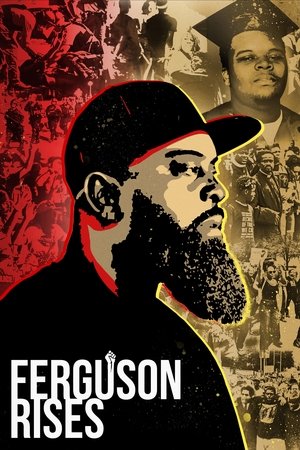
After Dontre Hamilton, a black, unarmed man diagnosed with schizophrenia, was shot 14 times and killed by police in Milwaukee, his family embarks on a quest for answers, justice and reform as the investigation unfolds.
The most crude and atrocious institutional violence of the Spanish State hides behind a true dark figure, an abyss into which this documentary peers through 30 firsthand accounts.
As the first part of our investigation, the CORONA.FILM prologue will delve into the science behind the pandemic. Starting at the very beginning, we shine a light on the responses. The aim is not to point the finger; our aim is to tell the whole story in all its complexity, as we believe that justice cannot prevail if only one side of the story is told.
An in-depth and provocative look at the 1992 Los Angeles riots exploring the roots of civil unrest in California and the relationship between African Americans and LAPD.
David Harewood had a psychotic breakdown and was sectioned in his 20s. David traces his steps, meeting young people living with psychosis and the NHS professionals who treat them.
Alastair Campbell candidly talks about his experience living with depression and explores if radical new treatments can make a difference.
In a country that prides itself on democracy, a group of activists, known for chalking messages and holding signs, faces a terrifying escalation: repression so severe that their right to speak freely becomes their last, desperate stand.
Manly Feelings is a short film by Chris Blom, about the difficulty that many men face while experiencing, expressing, and sharing the difficult emotion of sadness. The film lingers in this place of difficulty through interviews with men, supported by metaphorical imagery.
What’s it like to age with early-phase vascular dementia? And how about your loved ones? Successful author Heleen van Royen has taken on caring for her elderly mother and films their frequent meetings. Increasingly, Mrs Breed’s life consists of confusion and unbearable stabbing pains that she tames with a mantra. She regularly refuses help, good advice and a Zimmer frame, although she is also thankful for her committed daughter’s support.
When Harvard PhD student Jennifer Brea is struck down at 28 by a fever that leaves her bedridden, doctors tell her it’s "all in her head." Determined to live, she sets out on a virtual journey to document her story—and four other families' stories—fighting a disease medicine forgot.