This video focuses primarily on the implications of the structure and format of television, especially the consequences of concision, and how these factors can shape the messages of the medium. In addition, other issues, such as how democracies handle dissenters, and how the mainstream media have treated the challenges of Noam Chomsky's media critiques are explored. The media construct reality, and in the conclusion we see the author participating in that very process.
Maboul de Séoul
In the spring of 1984, a strange new comic book sat beside cash registers in select shops, too big to fit in the racks, and too weird to ignore. Eastman and Laird's Teenage Mutant Ninja Turtles presented a completely original breed of super hero. It was too bizarre, too crazy. It broke all the rules and should never have worked. Until it sold out. Again and again and again. For 30 years. Now, peek under the shell and see how this so-called "happy accident" defied every naysayer to become one of the most popular and beloved franchises in the world.
A chronicle which provides a rare window into the international perception of the Iraq War, courtesy of Al Jazeera, the Arab world's most popular news outlet. Roundly criticized by Cabinet members and Pentagon officials for reporting with a pro-Iraqi bias, and strongly condemned for frequently airing civilian causalities as well as footage of American POWs, the station has revealed (and continues to show the world) everything about the Iraq War that the Bush administration did not want it to see.
This feature-length documentary analyzes television newscasts and, as a result, takes a look at the news industry as a whole. By tackling five major themes – the script, the stars, the show, the actors and telecracy – it elucidates and demystifies certain aspects of television news, the bearer of daily news and guarantor of a certain image of reality.
May 10th, 1981. François Mitterrand is elected President of the Republic. The “soviet tanks” supposedly coming upon the Champs-Élysées dressed in red, feared by some, did not march. Serge Moati takes a personal look at this episode, focusing on the relationship the president had with television, that he witnessed and played a role in.
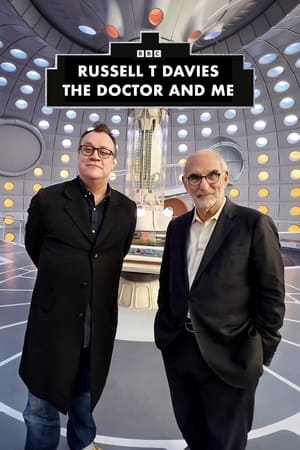
imagine... follows celebrated British TV writer Russell T Davies as he prepares to return as the showrunner of Doctor Who – with two Doctors and bigger ambitions.
L'autoroute de tous les extrêmes
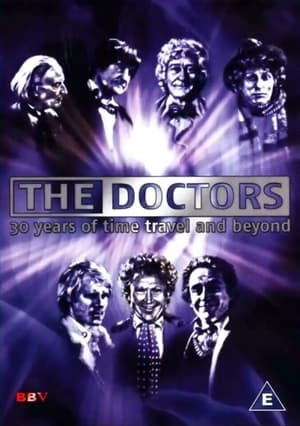
More than 30 years have now passed since a certain time traveling police box first materialized on our television screens, and the exploits of its various crews have enthralled audiences ever since. Here is the story of Britain's Number 1 Science Fiction programme told in order of the various actors who have played the Doctor.
"The prevailing stigmatization of the 'villero' universe is fed back by the images. In order to dismantle this stigmatization, other images must be presented or we need to reveal what the existing ones seek to cover up. The slum is usually represented from a limited and deceitful visual panorama. This representation has an intention. Cinema and television are two image-producing devices that strengthen the stereotypes that we have about the people who inhabit these spaces. And what happens in the field of painting? Do clichés reign there too? This visual essay seeks to confront various works by national painters and sculptors, belonging to the Palais collection, with the kinetic images of current cinema and television, to reflect on both the differences and the similarities in the meanings and discourses that both regimes of images can produce." César González
A journey behind the scenes of the Nickelodeon television network to chronicle its unprecedented success, from its humble origins as a small local channel to its status as an international phenomenon that helped shape an entire generation of children.
The documentary film follows the life and career of Milen Tsvetkov against the backdrop of historical events in Bulgaria that have transformed journalism and the media market in the country since 1989.
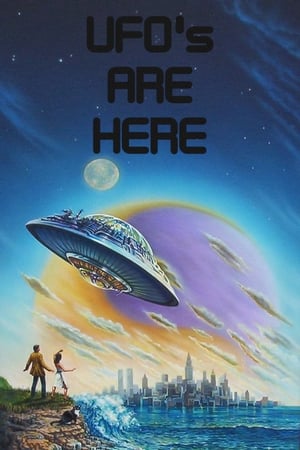
Australian-made film with Steven Spielberg, Stan Deyo, Stanton Friedman, Dr. Alan Hynek, Jacques Vallee, Ken Arnold, Betty Hill and Ray Palmer (publisher of the Shaver Mystery). This rare TV documentary gave birth to The Cosmic Conspiracy and contains clips of the first episode of Star Wars and Jaws.
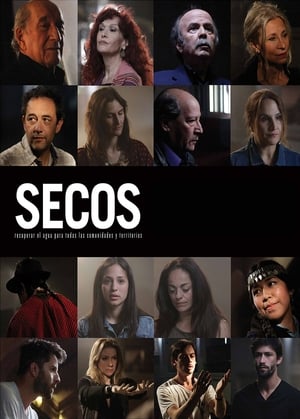
Chile is the only country that has privatized its waters, in favor of large corporations, to the detriment of homes in rural and urban communities. Secos is a short that makes this reality visible, through the dialog between anonymous fighters from the most heavily affected provinces, with renowned actors and actresses in the country. The objective is to activate the topic of water as a human right, to achieve in the future the recovery of this vital element as a common good for all communities and territories.
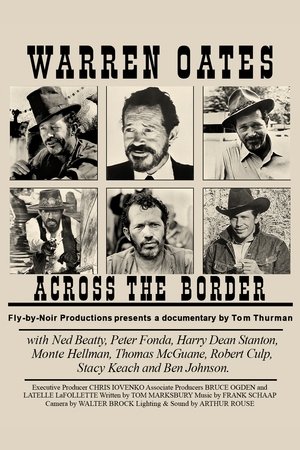
A retrospective of the work of the late actor Warren Oates, with clips from his films and interviews with cast and crew members who worked with him.
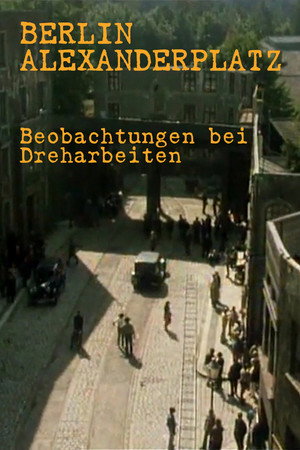
Documentary about the making of the 1980 German television series.
One day in the life of television is a documentary that was broadcast on ITV on 1 November 1989. Filmed by over fifty crews exactly one year earlier, it was a huge behind-the-scenes look at a wide range of activities involved in the production, reception and marketing of British television. The project was organised by the British Film Institute and produced and directed for television by Peter Kosminsky. A book by Sean Day-Lewis was published to accompany the documentary. It contained the thoughts of people throughout Britain, including industry professionals, who recorded their feelings and experiences of television viewing on 1 November 1988, the day that the documentary was filmed.
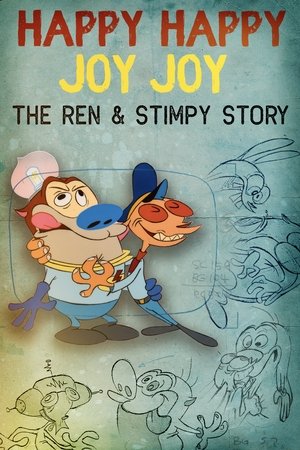
Exploring the rise and fall of the groundbreaking animated series Ren & Stimpy and its controversial creator, John Kricfalusi, through archival footage, show artwork and interviews with the artists, actors and executives behind the show.
A documentary about the domination of Caribbean television by programs from the North, primarily the US. Proceeding from the observation that television in the Caribbean is overwhelmed by US and French programs, this film ambitiously weaves together interviews, indigenous poetry and music with clips from imported French and US television programs to show how Caribbean viewers receive a distorted view of the world that alienates them from their own cultural heritage. Also included is a glimpse of how Cuba has tackled the problem, featuring an interview with Cuban film director Tomás Gutiérrez Alea, and the US response in the form of Radio and TV Marti. This is part of the Developing Stories Series on Environment and Development. Starweek Magazine called it "An astonishingly searing look at TV."
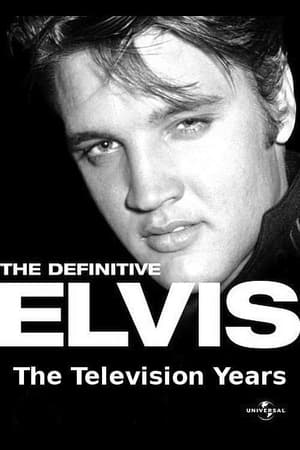
"The Television Years" examines the events that took place in the years between 1956 and 1960, in which Elvis Presley excited a whole nation as the "King of Rock and Roll" in the big television shows of the time. One highlight of this time periode was Elvis' 1960 combeback hosted by Frank Sinatra, which marked his first appearance on televison after his two-year stay in the army.