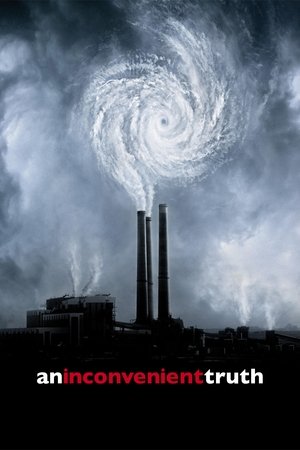
A documentary on Al Gore's campaign to make the issue of global warming a recognized problem worldwide.
The heatwave of 2003 remains etched in our memories. We remember an angry emergency doctor, crowded hospital corridors, and a health minister in a polo shirt who seemed completely out of touch with reality. Between August 1 and 20, 2003, the heatwave claimed 15,000 lives. One in three victims lived in the Ile-de-France region, which was hardest hit by this deadly heatwave. This tragedy revealed many shortcomings. First, the lack of preparedness of the public authorities to deal with such a health crisis. Second, the way in which the elderly are treated. Climatologists estimate that from 2050 onwards, the summer of 2003 will be the norm. Hyper-urbanization, poor insulation in homes, and a lack of green spaces are all factors that exacerbate the effects of high temperatures.
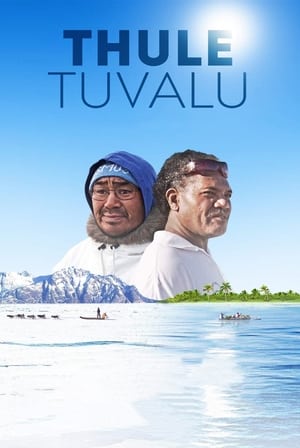
Thule, Greenland, also called Qaanaaqis, one of the northernmost towns in the world. As the climate warms and the ice caps begin to melt, the gentle balance of life for the people of this community is in jeopardy. On the other side of the globe, the melting ice caps are raising sea levels around the Polynesian island nation of Tuvalu, threatening to wipe the island right off the map. Though a world apart, these two communities are intricately connected as environmental balance begins to tip and traditional ways of life are threatened. 'ThuleTuvalu' is a stunning documentary addressing the high price of a hundred years of development and how two very different communities are now bound together in facing an uncertain future.
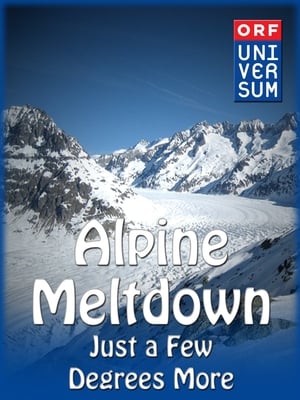
The climate is changing, global temperature is rising. The impacts are already apparent, especially in the mountains but also in the lowlands. The permafrost zone is shifting higher up and the masses of snow melt whooshing from the glaciers to the valleys are already increasing incessantly. Rivers are going to rise up to powerful floods and dwindle down to extremely low waters the next second.
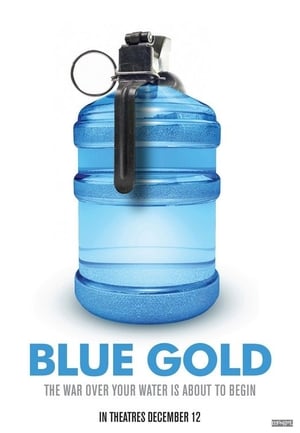
Wars of the future will be fought over water as they are over oil today, as the source of human survival enters the global marketplace and political arena. Corporate giants, private investors, and corrupt governments vie for control of our dwindling supply, prompting protests, lawsuits, and revolutions from citizens fighting for the right to survive.
Explore climate justice and the impacts of air pollution with researchers and your local community in a free screening of Air Quotes!
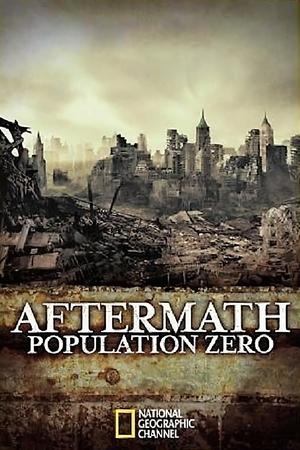
Aftermath: Population Zero investigates what would happen if every single person on Earth simply disappeared. Explore the interactive world without us.
The film reveals Scotland's post-war history as seen through the lens of current debate, inviting audiences on a journey to revisit the promises of the past and consider how they relate to our future on this planet. Was climate change inevitable? Can we break free from a boom-and-bust mentality?
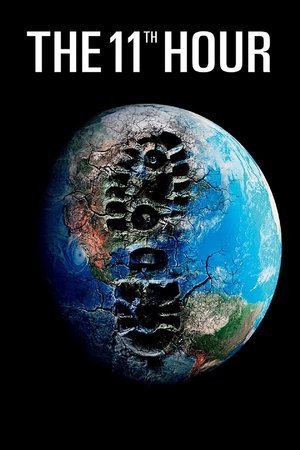
A look at the state of the global environment including visionary and practical solutions for restoring the planet's ecosystems. Featuring ongoing dialogues of experts from all over the world, including former Soviet Prime Minister Mikhail Gorbachev, renowned scientist Stephen Hawking, former head of the CIA R. James Woolse
Filmed over three years across four continents, Dirty Coin takes viewers deep into the real-world practice of Bitcoin mining. From rural Texas to the mountains of Malawi, the film explores a wide range of mining operations—some sustainable, some controversial—and the communities behind them. Through interviews with energy experts, miners, and local residents, it paints a nuanced picture of a rapidly evolving industry. Whether you're new to Bitcoin or part of the movement, Dirty Coin offers a fresh perspective on how mining is impacting the world today.
We're entering the Earth's sixth era of extinction -- and it's the first time humans are to blame. CNN introduces you to the key species and people who are trying to prevent them from vanishing.
A growing group of Dutch people in their twenties see the earth becoming less livable. They join the climate group Extinction Rebellion and campaign to fight the climate crisis. There is little they shy away from in their struggle: nightly campaigns, high-altitude actions, and even arrests or a criminal record. Everything for a better planet.
DESERT PHOSfate is an artist film that tells about the impact of phosphate on the Sahrawi community and its fate, including the surprising emergence of family gardens and their knowledge of how to farm in the desert without the processed phosphorus that had caused the dislocation of the Sahrawi nomads from their homeland of Western Sahara.
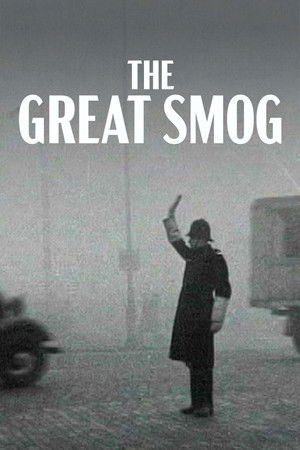
For five days in December 1952, a thick smog suffocated the British capital causing the death of thousands of Londoners. The health catastrophe lead to a realisation, in Britain and around the world, that air pollution was a serious threat to human health. This documentary reveals what happened, hour by hour, in one of the worst peacetime disasters of the 20th century.
This film illustrates how a revolution in one of the most basic of all human enterprises – the making of maps – is shedding new light on our planet's evolution as global temperatures rise. This original MagellanTV documentary explores the dynamic processes causing glaciers in Greenland and Antarctica to melt, and shows how rising seas could threaten coastlines around the world.
Describes the eight major climatic regions of the United States, and explains how climate affects the agriculture, industry, and population of each region. Identifies the factors which determine climate, including latitude, landforms, ocean currents, altitude and winds.
Im Maschinenraum der Klimapolitik
This movie was created to highlight the overwhelming amount of scientific information pointing to human extinction in the very near future.
There's No Tomorrow is a half-hour animated documentary about resource depletion, energy and the impossibility of infinite growth on a finite planet.
Renowned paleontologist Kirk Johnson takes us on an epic adventure through time at the polar extremes of our planet. Following a trail of strange fossils found in all the wrong places—beech trees in Antarctica, hippo-like mammals in the Arctic—Johnson uncovers the bizarre history of the poles, from miles-high ice sheets to warm polar forests teeming with life. What caused such dramatic changes at the ends of the Earth? And what can the past reveal about our planet’s climate today—and in the future?