A 4-year-old girl cries, lost in the city. A Soviet soldier on a ferry takes her in and takes her to her home village.
Zima v Československu
Věděli si rady
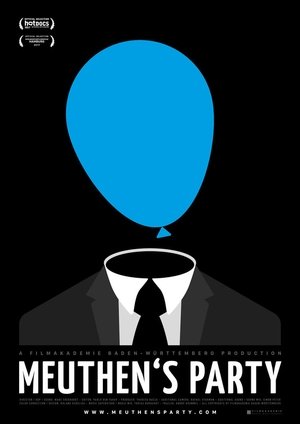
MEUTHEN'S PARTY unmasks the rise of the provincial politician Dr. Jörg Meuthen who doesn't shy away from spreading racist sentiments with a smile on his face.
Madrid, Spain, 1949. The Circo Americano arrives in the city. While the big top is pitched in a vacant lot, the troupe parades through the grand avenues: the band, a witty impersonator, the Balodys, acrobats, jugglers, acrobatic skaters, clowns and… Buffallo Bill.
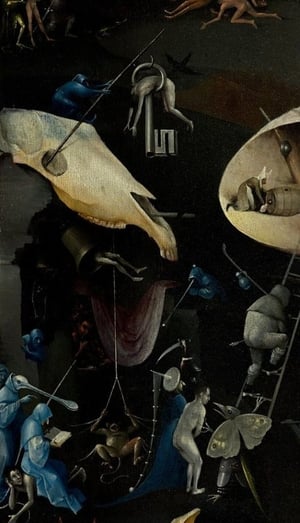
El jardín de las delicias
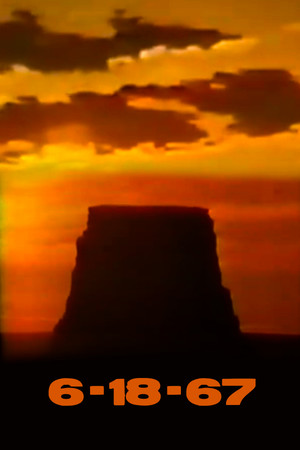
Filmed during the production of the Columbia Pictures western "Mackenna’s Gold," this short work presents a non-narrative visual study of the Arizona desert. Rather than documenting the film set itself, "6-18-67" assembles landscape images, time-lapse photography, and ambient sound into an abstract record of place and duration.
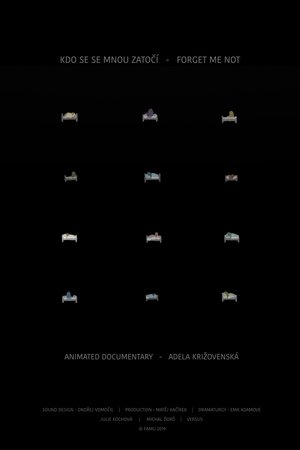
The animated documentary shows a day in life of a person suffering a mental illness called anorexia nervosa. It is an intimate insight into the mind of an anorexic, who must somehow interact with raw reality.
A report from a Svazarm summer training camp where trained instructors dedicate themselves to providing children and young people with defence education.
Stráž míru
Dárci života
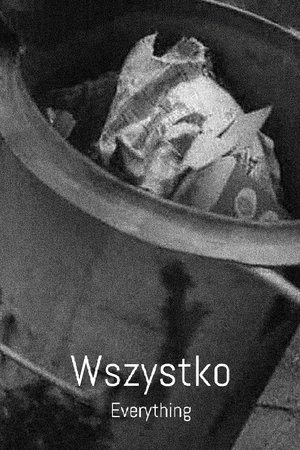
Here's a strange one. First, a song on a blackboard: a Polish translation of “I love my little rooster” by American folk writer Almeda Riddle. Then, two men roll around trash bins and lift them to the garbage truck. They do it several times. A woman shouts in the distance. At the end, the picture stops, and the woman sings the song. An early short by Piotr Szulkin.
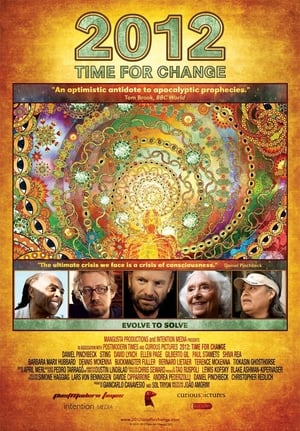
2012: Time For Change is a documentary feature that presents ways to transform our unsustainable society into a regenerative planetary culture. This can be achieved through a personal and global change of consciousness and the systemic implementation of ecological design.
A documentary film about parachute training in the Voluntary Union of People's Aviation.
The onset of communism changed many people's lives. Children without homes were no longer raised in foster care, but in institutions. Through an interview with a man who grew up in such an institution and a woman who is trying to address the issue from the outside, this documentary shows how, even after thirty years of freedom, the Czech Republic still desperately needs a revolution in this area.
Šturm und drunk
The film is an insight into a teacher's soul and a contemplation upon his teaching fate. This portrait of a unique, experimental filmmaker and teacher Martin Čihák takes a look at his teaching methods, his meetings with his students at FAMU and at a park where they work with film, or in his studio.
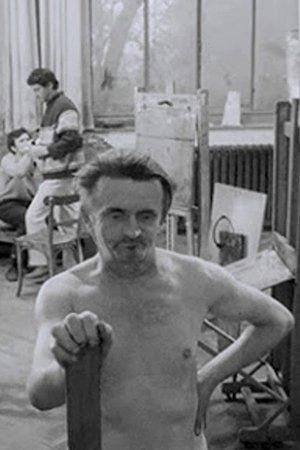
One day in the life of Mr Hrstka, a blue collar worker and occasional pose model at the Prague academy of arts. Through this portrayal of an outsider, Paskaljevic explores the subject of isolation.
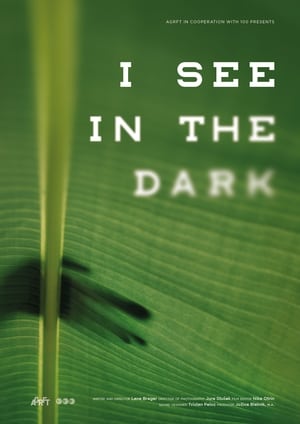
Confessions of people who have lost their sight during their lives. What are their feelings and how do they view their apparent handicap?
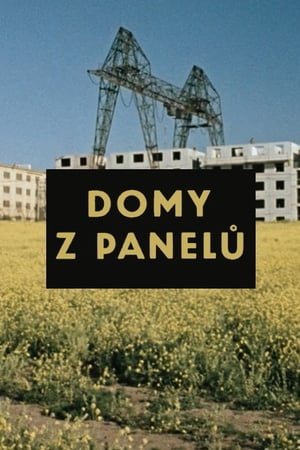
A student work by Jiří Menzel, filmed during his second year at the FAMU film school. Views of old Prague and its tenement buildings, symbolizing the obsolete past, alternate with shots of construction sites for new prefabricated apartment buildings. In spite of certain unavoidable propagandistic overtones added by the director, it is notable as the beginning of his search for a “dramaturgy of colors.”