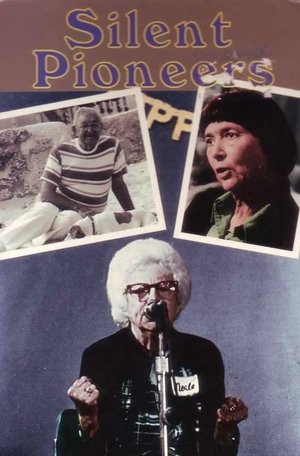
Contrary to the public stereotype of a youthful homosexual community, gay men and women do grow old. Silent Pioneers presents an upbeat focus on the lives of these people today, showing them living full and diverse lives and sharing concerns on ageing, health and housing, with other senior citizens. It also considers how support networks within the gay and lesbian community have enriched and strengthened their individual lives.
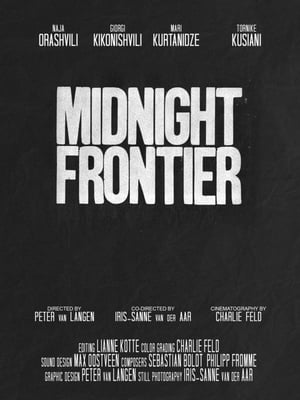
Documentary about gay-rights activists in Georgia.
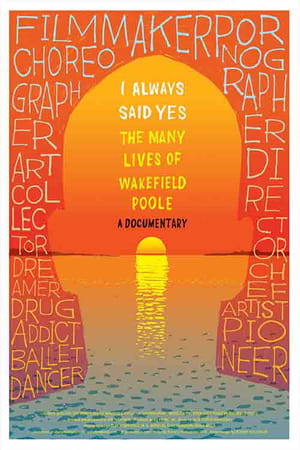
I Always Said Yes is a portrait of pioneering filmmaker Wakefield Poole, whose careers as dancer, choreographer, and director spanned the golden years of Broadway, television, porno chic, and gay liberation.
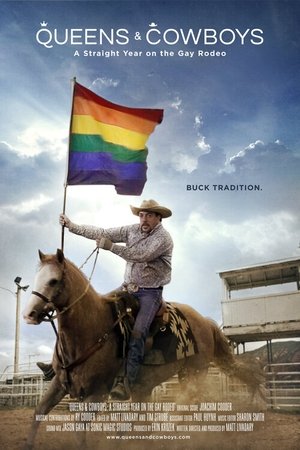
A feature film that chronicles a complete season of the International Gay Rodeo Association. Roping and riding across north America for the past 30 years, the IGRA's courageous cowboys and cowgirls brave challenges both in and out of the arena on their quest to qualify for the World Finals at the end of the season. And along the way, they'll bust every stereotype in the book.
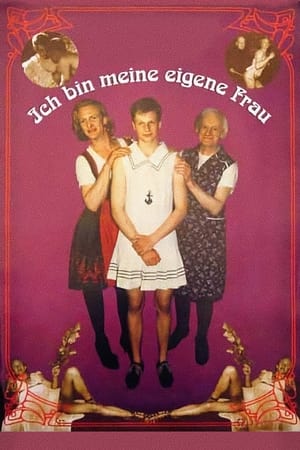
The life story of Charlotte von Mahlsdorf, who survived the Nazi reign as a trans woman and helped start the German gay liberation movement. Documentary with some dramatized scenes. Two actors play the young and middle aged Charlotte and she plays herself in the later years.
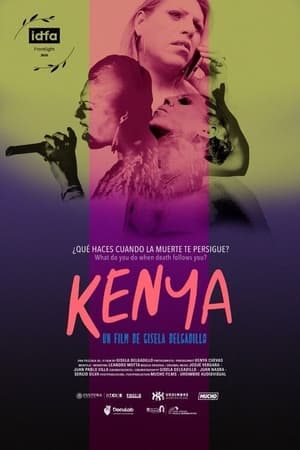
Trans women face extreme violence in Mexico City, and sex workers are even more vulnerable. This raw and deeply affecting portrait of Kenya gives an insider’s view of the impact that violence has on the community, and how complex life is for them. The film begins shortly after Kenya witnesses her friend Paola being murdered by a client. The film follows Kenya closely. Will the family accept burying Paola as she was: a flamboyant trans woman? Kenya approaches Paola’s loved ones with great respect and understanding—something she rarely experiences herself. When the murderer is released, she embarks on a lengthy battle for justice, backed up by her “sisters.”
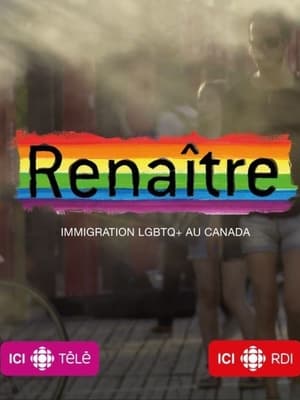
Canada as a refuge for LBGTQ+ immigrants: Yazan from Iraq, Nata from Central Africa, Aida from Iran and Eilyn from Colombia all had to flee their homelands, where violence, threats, hate and rejection prevented them from living their lives and expressing their sexual orientation openly. All they wanted was to be free. From Beirut to Montreal, Quebec City or Vancouver, this ensemble documentary follows the journeys of four people who are determined to change their future. From the terrifying realities they had to flee to the heartbreaking sacrifices they were forced to make, Renaître is a vibrant and luminous tribute to their quiet strength.
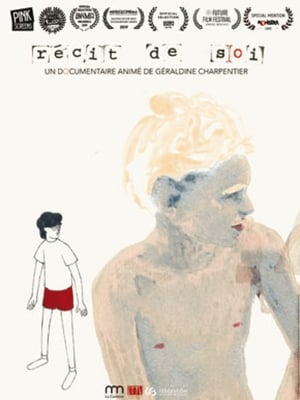
While non-binary representations are rare, Lou talks about their relationship to gender, clothes, and other markers.
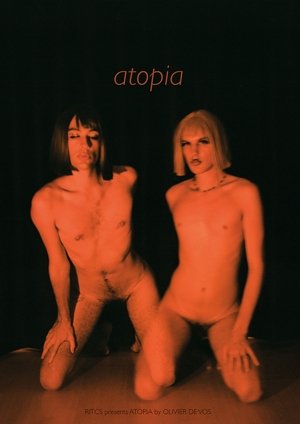
Atopia is an introspective essay about the search for a place that exists between reality and imagination: a placeless place made up out of dreams, chimeras and a desire for gender fluidity.
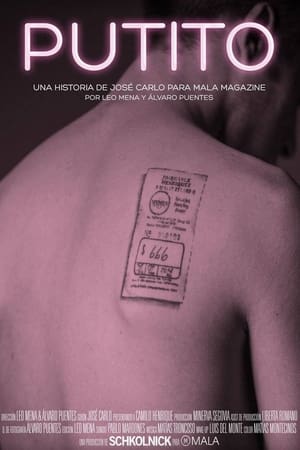
Putito is a production with no specific genre, where reality and fiction blend through a testimony written by José Carlos Henríquez - a feminist activist and male prostitute who plays himself in the project. Available in a censored and uncensored version.
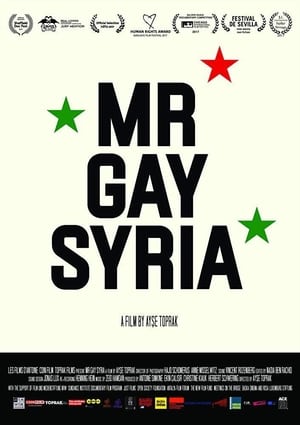
In focusing his attention on the competitors of Mr Gay Syria, director Ayse Toprak shatters the one-dimensional meaning of “refugee”. Using the pageant as a means of escape from political persecution, the organiser Mahmoud — already given asylum in Berlin — hopes to offer the winner a chance to travel as well as bring international attention to the life-threatening situations faced by LGBT Syrians.
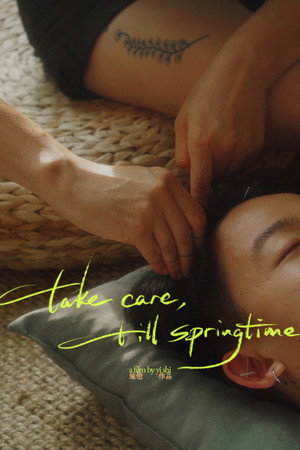
After a queer Chinese medicine practitioner is brutalized at a recent protest, their community comes together in quiet acts of healing.
Two gay men in Japan discuss the end of their respective relationships.
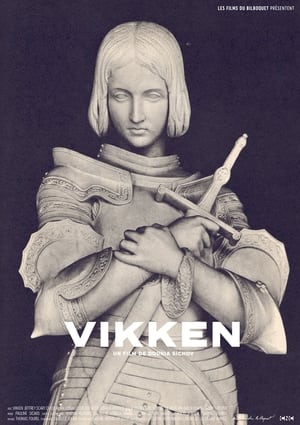
Vikken is transgender. He’s about to take hormones for the first time. He records his voice that will disappear, and summons the figures of the past from all over the world for an intimate dialogue with himself.
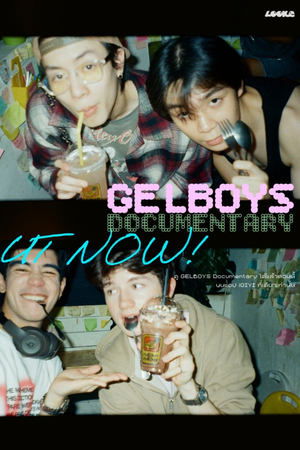
Get to know the series Gelboys better through a documentary that tells the behind-the-scenes story before the series came to be.
A 16mm anthology of experimental super 8 films by Derek Jarman, Michael Kostiff, Cerith Wyn Evans and John Maybury, with framing footage by Tim Burke of Brion Gysin using a dream machine. Jarman's contribution is a version of his 1977 Art and the Pose (aka Arty the Pose), refilmed at 3fps, with a musical soundtrack. Jarman planned The Dream Machine as a commemoration of William Burroughs and Gysin's 1982 visit to the UK, and received initial funding from the Arts Council in 1983, then rethought the project as a portmanteau film featuring Gysin alone. The production remained in limbo until 1986, when James Mackay obtained completion funding from the British Film Institute. (Since this film was released on VHS accompanied by Jarman's Broken English: Three Songs by Marianne Faithfull, T.G.: Psychic Rally in Heaven and Pirate Tape under the umbrella title The Dream Machine, synopses of this film have often muddled up its details with those of the earlier films. )
In this film, the idea of the iron rabbit is used as a metaphor for bisexuals’ situation. Something that looks like a rabbit is not necessarily a rabbit. When a straight couple appears, people often consider them to be ordinary heterosexuals. And when two gay people get together, people simply think of them as homosexuals. In this instinctive view, which holds that people are either homo or hetero, bisexuals seem to fade out. This film is a real reflection of the lives of bisexual people in Taiwan. We hope that through the film, people can understand more about bisexuals.
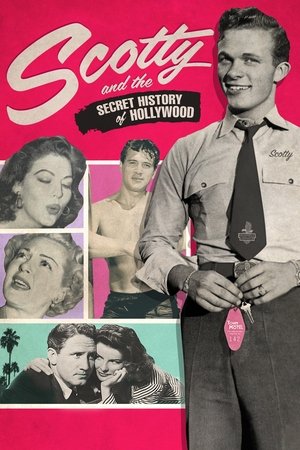
A deliciously scandalous portrait of unsung Hollywood legend Scotty Bowers, whose bestselling memoir chronicled his decades spent as sexual procurer to the stars.
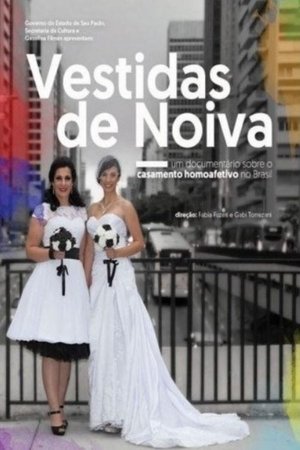
A personal documentary about gay marriage in Brazil that focuses on the filmmaker Fábia Sartori Fuzeti, who opens the film by proposing to her partner Gabriela Torrezani. The movie follows their footsteps from that moment until their big day. At the same time, it explores the lives various gay and lesbian couples that got tied the knot since the Brazilian Supreme Court legalised gay marriage in June 2011.
A young non-binary trans photographer, Laurence Philomène asserts themselves as one of the most original and inspiring voices of their generation and an icon of the LGBTQ+ community. Revealing both Laurence's intimate world and creative process, "LARRY (they/them)" paints a luminous and committed portrait of the complex and often misunderstood multiplicity of trans and non-binary identities and experiences.