Deep in the jungle of Central Vietnam, lies a magnificent underground kingdom. Hang Son Doong which translates as “mountain river cave”, is the largest cave passage in the world and a place of spectacular beauty. With more people having climbed Everest than visited Son Doong, its pristine charm has remained undisturbed for millions of years. In 2014, Son Doong’s future was thrown into doubt when plans were announced to build a cable car into the cave. With many arguing that this would destroy its delicate eco-system and the local community divided over the benefits this development would bring, the film follows those caught up in the unfolding events. Beautifully shot and scored, “A Crack In The Mountain” is a powerful exposé about how both good and bad intentions can ultimately lead to one of the world’s greatest natural wonders being trampled for money. As well as inspire those who care about our natural heritage to fight to protect it.
A riveting story of polar exploration that investigates the motivation, psychology, science, and physical endurance that have characterized the historic heroes who have explored the frozen continent of Antarctica over the last 200 years.
The deep waters of the Southern and Pacific Oceans still hold many mysteries. Two international teams of scientists set out to explore the icy depths of Antarctica and the abysses of the Mariana Trench. Filmed for the first time, creatures seemingly from another galaxy cohabit with champions of survival in extreme conditions.
The waters of the North Pacific around Canada's Vancouver Island are a strange and little known world. The water is incredibly clean, the location is isolated and huge thermal vents heat the otherwise cold surrounding these factors combined have led to animals and plants that can grow to huge proportions. Humpback whales, orcas, wolf eels and bald eagles all thrive here. Our team of experts go in search of the elusive Pacific Giant Octopus. Growing up to 7.5 meters across with the power to kill sharks, it is a formidable creature, but also intelligent and incredibly shy. The dive team invites us into an alien world, where persistence is rewarded with encounters with three of these magnificent creatures.
Adventurer, filmmaker, inventor, author, unlikely celebrity and conservationist: For over four decades, Jacques-Yves Cousteau and his explorations under the ocean became synonymous with a love of science and the natural world. As he learned to protect the environment, he brought the whole world with him, sounding alarms more than 50 years ago about the warming seas and our planet’s vulnerability. In BECOMING COUSTEAU, from National Geographic Documentary Films, two-time Academy Award®-nominated filmmaker Liz Garbus takes an inside look at Cousteau and his life, his iconic films and inventions, and the experiences that made him the 20th century’s most unique and renowned environmental voice — and the man who inspired generations to protect the Earth.
Norfolk Island, 800 miles off the coast of Australia, is home to some of the largest tiger sharks in the world. As strange as it sounds, some think this small island in the middle of the South Pacific has become like a drive-thru burger joint for tiger sharks to gorge on meat. For the first time, scientists are diving in to answer why there are so many huge tigers there. Shark biologists Lauren Meyers, Charlie Huveneers and Adam Barnett lure the giants to their boat to investigate and make a surprising discovery.
Attack of the Red Sea Sharks investigates why sharks killed three people in less than a year in the coastal waters of Red Sea resorts. Multiple witnesses captured the gruesome attacks, with the videos quickly going viral, sparking confusion and hysteria. Are these attacks part of a growing trend that is becoming more common worldwide? A team of scientists launches a global pursuit to answer that question and find ways to prevent future attacks.
Antarctica: A Frozen History takes a look at the history and stories of the human explorations in the Antarctic. Although quite slow paced and relatively old, the documentary film successfully incorporates reconstructed film material and original Antarctic expedition footage to fully illustrate the hardships of the heroic and extreme arctic explorations. Human endurance is tested to the maximum, as the documentary takes a look back at those who have tried, failed and conquered this most unforgiving landscape. Some of these stories entail Robert Falcon Scott, a Royal Navy officer and explorer who led two expeditions to the Antarctic regions: the Discovery expedition of 1901–1904 and the ill-fated Terra Nova expedition of 1910–1913. Scott reached the South Pole in January 1912 only to find he had been beaten to the spot by 33 days. His entire party died on the return journey; eight months later, a search party discovered some of their bodies, diaries and photographs.
Marine conservationist and social media activist Ocean Ramsey fearlessly swims with sharks in this documentary about her risky mission to protect them.
Computer-generated imagery and other visualization techniques reveal how it would look if all the water was removed from RMS Titanic's final resting place.
Les défis de la Grande Barrière de corail
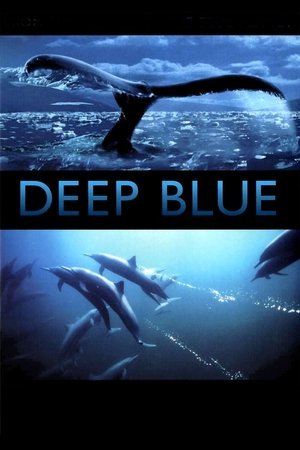
Deep Blue is a major documentary feature film shot by the BBC Natural History Unit. An epic cinematic rollercoaster ride for all ages, Deep Blue uses amazing footage to tell us the story of our oceans and the life they support.
Marquis de Wavrin shot these images during a series of trips to South America between 1919 and 1922.
Cuba's enforced isolation has resulted in the unlikeliest of marine reserves: a huge, rambling archipelago known as Jardines de la Reina, or "Gardens of the Queen." Stretching around 140 miles along the southern coast of Cuba, it's one of the longest barrier reef systems in the world. Get an up-close look at Fidel Castro's diving playground, a forgotten ocean paradise unseen for half a century, and witness exotic species rarely seen elsewhere in the region. It's the lost jewel of the Caribbean, but how long can this pristine wilderness survive?
Blue Whales: Return of the Giants 3D takes viewers on a journey of a lifetime to explore the world of the magnificent blue whale, a species rebounding from the brink of extinction. Following two scientific expeditions—one to find a missing population of blues off the exotic Seychelles Islands, the other to chronicle whale families in Mexico’s stunning Gulf of California—the film is an inspirational story that transforms our understanding of the largest animal ever to have lived.
The documentary follows Polish artists on the first sailing expedition to Antarctica, their struggles, the first ever concert by Polish artists there, the first wet plate photography session & rare underwater encounters with leopard seals & other wildlife.
A humpback whale is beached on a remote shore. During the fight to save its life, we will discover the story of these extraordinary creatures, denizens of the world's oceans. Inspired by Heathcote William's bestselling book, WHALE NATION takes us on a journey of discovery into the unexplored territories and barely known society of whales, with their remarkable abilities and incredibly rich and complex social lives.
Collision
Coral Reef Adventure follows the real-life expedition of ocean explorers and underwater filmmakers Howard and Michele Hall. Using large-format cameras, the Halls guide us to the islands and sun-drenched waters of the South Pacific to document the health and beauty of coral reefs. Featuring songs written and recorded by Crosby, Stills & Nash.
The Living Sea celebrates the beauty and power of the ocean as it explores our relationship with this complex and fragile environment. Using beautiful images of unspoiled healthy waters, The Living Sea offers hope for recovery engendered by productive scientific efforts. Oceanographers studying humpback whales, jellyfish, and deep-sea life show us that the more we understand the ocean and its inhabitants, the more we will know how to protect them. The film also highlights the Central Pacific islands of Palau, one of the most spectacular underwater habitats in the world, to show the beauty and potential of a healthy ocean.