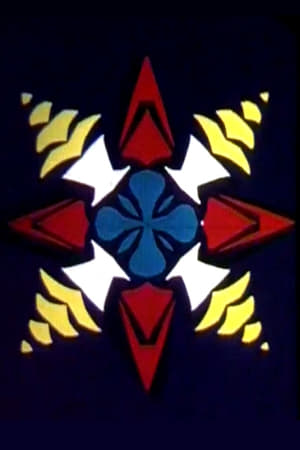
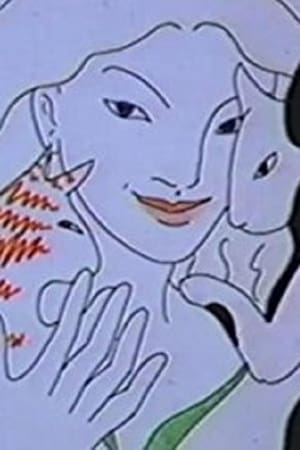
The animation, music, and optical printing of Kitsch in Synch was produced by Beckett and the students in two classes he was teaching at CalArts. Although a group project, it is clear that Beckett was the director. The playful, catchy soundtrack is used to create a cycle of building tension and release. The brightly colored shapes create approximate symmetrical formations and become more densely layered, with glimpses of iconographic objects and even live footage near the end. Preserved by the Academy Film Archive, in partnership with the iotaCenter, in 2007.
"I relocated to the Redwoods of Sonoma County upon graduation and in that relocation process the animation for Sonoma began. The design was built around the concept of the long wide horizontal 'pan' shot to express the concept of a dynamic landscape that passes across the screen like a traditional Chinese Scroll Painting. The deep personal meaning relates to the 'relocation' that was occurring within my own being after having done 2½ terms of active combat in the jungle as a carrier enlisted with the 82nd Airborne Division of the Army" -D. Pies. Preserved by the Academy Film Archive in 2012.
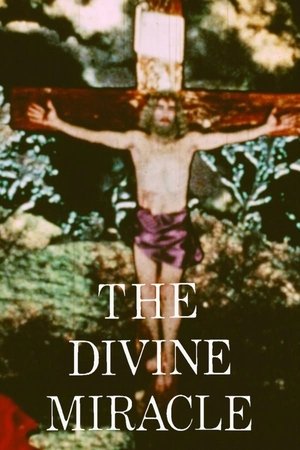
A surrealist translation of Catholic devotional postcard imagery set into unsettling motion. Preserved by the Academy Film Archive in 2008.
Mountain Music illustrates what happens when technology gets too advanced too soon. Preserved by the Academy Film Archive in 2012.
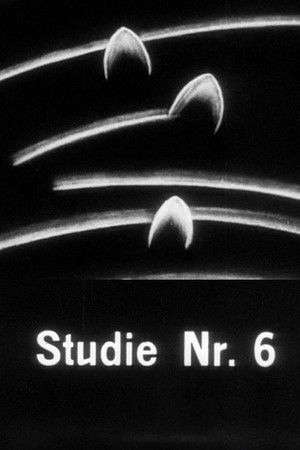
The first Studies were synchronized with records (Fischinger made a total of 13 Studies all without sound). It was only with the introduction of sound, beginning with Study No 6 that the films did full justice to this musical principle. The play of the white lines, the arcs, and the upside-down U’s running hither and thither like ballet dancers was brought into perfect synchronization with the music, and thus the films offered an abstract illustration of the melodies. Study No 6 is certainly the best of his films in terms of forms. - Hans Scheugl and Ernst Schmidt, Jr. Preserved by the Academy Film Archive in 2001.
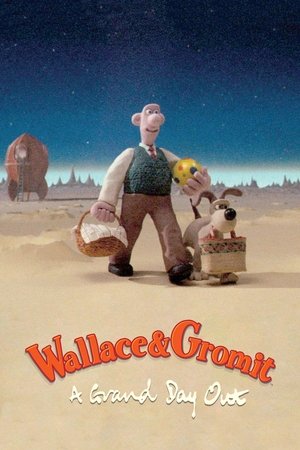
Wallace and Gromit have run out of cheese, and this provides an excellent excuse for the duo to take their holiday to the moon, where, as everyone knows, there is ample cheese.
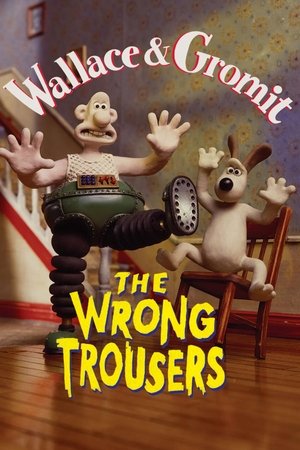
Wallace rents out Gromit's former bedroom to a penguin, who takes up an interest in the techno trousers created by Wallace. However, Gromit later learns that the penguin is a wanted criminal.
Wallace's whirlwind romance with the proprietor of the local wool shop puts his head in a spin, and Gromit is framed for sheep-rustling in a fiendish criminal plot.
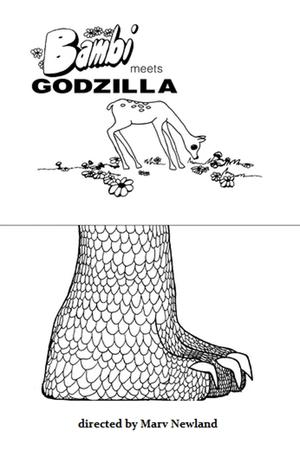
A deer, disillusioned by the consumerism that defines his life. A lizard, ostracized from society, forever wandering. A chance meeting in the middle of a field. Who will survive? And who will transcend existence? Preserved by the Academy Film Archive in 2009.
An mutoscope motion picture installation commissioned for the 86th anniversary of the Guggenheim museum. Later preserved and turned into a short film. Preserved by the Academy Film Archive in 2000.

A vibrant animation by Patricia Marx. Preserved by the Academy Film Archive in 2000.
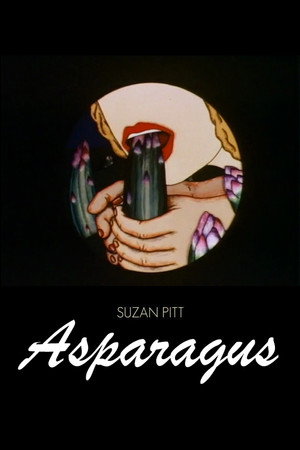
A symbolic reflection on issues of female sexuality, art and identity constructs.
The bizarre adventures of the cartoon character Foska, drawn by 22 animators working in collaboration. Each animator worked on his or her own sequence only and did not know what action preceded or followed his or her sequence, except that the first drawing of a sequence is the last drawing from the previous sequence. Preserved by the Academy Film Archive in 2010.
An instructional video that teaches, through stop-motion animation, how to build a bridge over a gorge that can hold heavy military equipment. Preserved by the Academy Film Archive in 2004.
"I think of Odalisque as my first film. It was completed after film school and I worked with just a graphite pencil, a small group of colored pencils and animation bond. It is a trilogy of amorous dreams coming from the imagination of a woman recalling her childhood, her beloved twin so difficult to separate from and becoming an adult sexual person. The aria Sempre Libera from La Triviata by Verdi opens the film and the poem Leda and the Swan by WB Yeats ends it. It was great to work with Michael Riesman who created the sound track. I loved working in NYC in those days with Robin McDaniel, Rebecca High and others." Preserved by the Academy Film Archive in 2017.
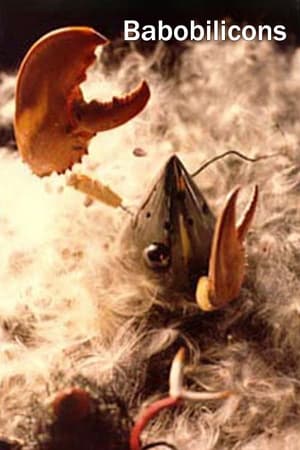
Krumins’ fantasy sets the world of flora and fauna on its ear. At one moment grotesque greenish mushrooms grow, wither and reverse their life-cycle, at another, strange crustacean-like animals speed around on a bed of feathers, next a room is inundated with giant ladybugs… Preserved by the Academy Film Archive in 2009.
Jane Conger Belson Shimane's first film, Logos, premiered in 1957 and was screened at festivals in North America, Europe, and Latin America. The animated film featured an electronic score by Henry Jacobs. Preserved by the Academy Film Archive in 2001.
"Light animation and original poetry in this initiatic journey by Dennis Pies, who is now known as Sky-David." - Daily Psychedelic. Preserved by the Academy Film Archive in 2013.
Moon Breath Beat is a hand-drawn experimental 2D film that depicts a woman and her two cats and how external forces such as birds and the moon impact their lives. Preserved by the Academy Film Archive in 2016.
The fourth film by a member of the '2nd generation' of computer filmmakers, artists who do their own programming. Abstract imagery includes some hand drawings. Synthesizer soundtrack. Preserved by the Academy Film Archive in 2012.