The extraordinary true story of eccentric British artist Louis Wain, whose playful, sometimes even psychedelic pictures helped to transform the public's perception of cats forever.
The amazing story of the animograph, a machine created in France in the sixties by the cartoonist and self-taught inventor Jean Dejoux (1922-2015), whose creation was intended to revolutionize the animation industry.
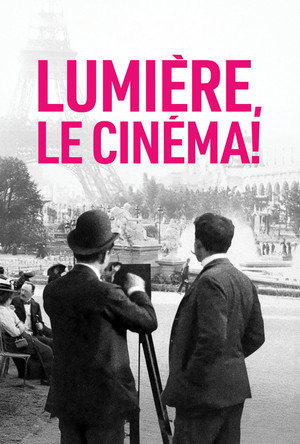
In one of those wonderful coincidences of history, lumière, the French word for “light,” was also the last name of brothers Auguste and Louis, whose brilliant invention, the cinematograph, helped to inaugurate the most beloved art form of the last 130 years. Institute Lumière director Thierry Frémaux uses Lumière, Le Cinema! to guide the viewer through over a hundred shorts—some famous, some forgotten, some never before seen—directed by Lumière and company. In the process, Frémaux illuminates how the brothers employed the camera as a creative instrument as they (and their operators) mastered framing, staging, and subject selection for quotidian and exotic microdocumentaries as well as the first ever fictional motion pictures. The result is not only a glorious re(telling) of the genesis of cinema but a profound meditation on the beautiful world captured—and the mysterious world imagined—by the Lumières.
The 1939 dramatic short "Angel of Mercy," about Red Cross founder Clara Barton, is reedited to relate the story to America's involvement in World War II. Edited from Angel of Mercy (1939)
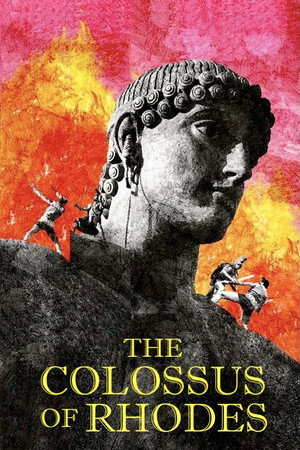
While on holiday in Rhodes, Athenian war hero Darios becomes involved in two different plots to overthrow the tyrannical king, one from Rhodian patriots and the other from sinister Phoenician agents.
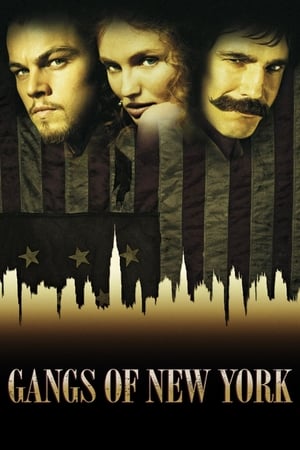
In early 1860s New York, Irish immigrant Amsterdam Vallon is released from prison and returns to the Five Points, seeking revenge against his father's killer, William Cutting, a powerful anti-immigrant gang leader. He knows that revenge can only be attained by infiltrating Cutting's inner circle. Vallon's journey becomes a fight for personal survival and to find a place for the Irish people.
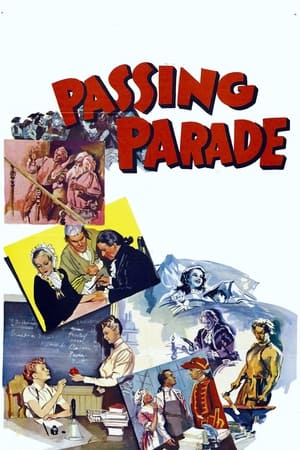
This entry in MGM's Passing Parade series looks at the meaning of dreams, including one by Abraham Lincoln that foretold his death.
In nineteenth-century Łódź, Poland, three friends want to make a lot of money by building and investing in a textile factory. An exceptional portrait of rapid industrial expansion is shown through the eyes of one Polish town.
In November 1947 forty-one people died in a massive blaze that gutted the huge Ballantynes Department Store complex in the heart of Christchurch’s business district. This is the tragic story of New Zealand’s worst fire disaster.
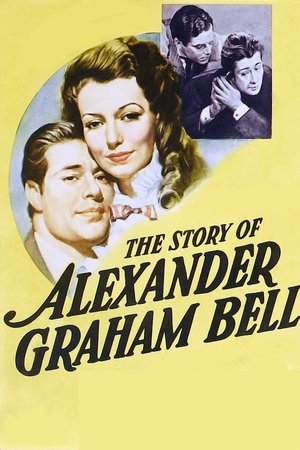
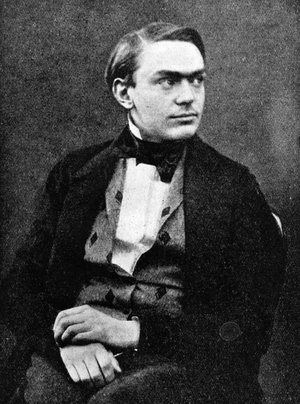
True story of Alexander Graham Bell's invention of the telephone, inspired by his mother.
Historical short showing how Eli Whitney (best known for the invention of the cotton gin) played a significant role in the introduction of mass production techniques to the USA in the late 18th century.
Denmark in 1927. The ambitious police officer Otto Himmelstrup leads the newly formed Special Unit, which is tasked with assisting local police in solving particularly difficult crimes. When a body is found in a burnt-out summer house in Esbjerg, Otto and his team begin to unravel an unusual murder mystery, revealing power struggles and corruption among the city’s elite. The closer the unit gets to the truth, the more dangerous it becomes. Soon, Otto finds himself not only battling powerful enemies but also confronting his own dark side in his quest to solve the case.
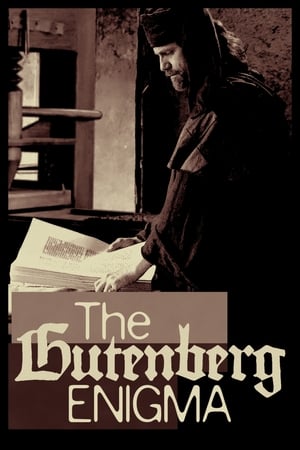
A portrait of the inventor of the letterpress, who was a key figure in the history of mankind, but also an enthusiastic inventor, a daring businessman, a tenacious troublemaker: the life of Johannes Gutenberg (circa 1400-68).
For those who heart history and the great city of Chicago, this film will take you through time with a small child and his nervous babysitter. Feel the intensity of the Great Chicago Fire and splendor of the World’s Columbian Exposition. Explore the sights of bustling Maxwell Street in the 1950s and peer down from an I-beam of the Sears Tower in the 1970s. Relive Chicago sports victories and cheer on President Obama during his Grant Park victory speech.
Parallel stories: 18th century Harrison builds the marine chronometer for safe navigation at sea; 20th century Gould is obsessed with restoring it.
Two interwoven stories. The first is a biography of anarchist Sakae Osugi which follows his relationship with three women in the 1920s. The second centers around two 1960s students researching Osugi's theories.
The O'Leary brothers -- honest Jack and roguish Dion -- become powerful figures, and eventually rivals, in Chicago on the eve of its Great Fire.
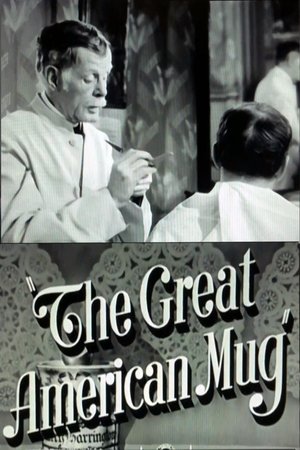
This John Nesbitt's Passing Parade short takes a look at the typical American barbershop throughout the years.
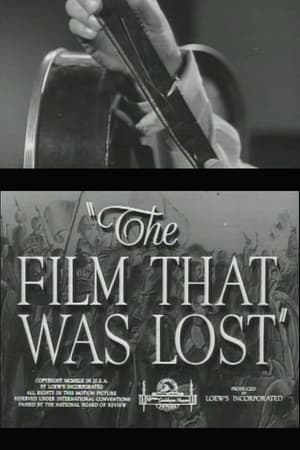
In this John Nesbitt's Passing Parade short, a look is taken at the problems of film preservation efforts in the 1930s and early 1940s.
The insatiably curious and headstrong inventor Leonardo da Vinci leaves Italy to join the French court, where he can experiment freely, inventing flying contraptions, incredible machines, and study the human body. There, joined in his adventure by the audacious princess Marguerite, Leonardo will uncover the answer to the ultimate question – "What is the meaning of it all?"