A documentary about direct-cinema from its very beginnings (Nanook of the North) to the fake-direct-cinema of the Blair Witch Project. All the important direct-cinema filmmakers are portrayed and/or interviewed: Leacock, Wiseman, Maysles, Pennebaker, Reisz and others.
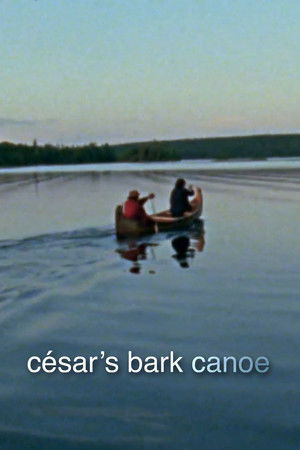
"This documentary depicts a canoe being built in the traditional manner. Cesar Newashish, a 67-year-old Attikamek of the Manawan Reserve North of Montréal, uses only birchbark, cedar splints, spruce roots, and gum. With a sure hand he works methodically to fashion a craft unsurpassed in function or beauty of design. Building a canoe solely from the materials that the forest provides may become a lost art, even among the Native Peoples whose traditional craft it is. The film is free of spoken commentary but text appears on the screen in Cree, French, and English." - Anthology Film Archives
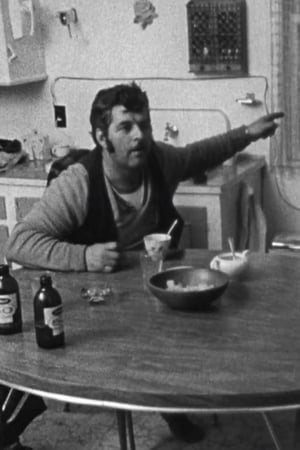
"This feature documentary is considered to be the forerunner of the NFB's Challenge for Change Program. The film offers in inside look at 3 weeks in the life of the Bailey family. Trouble with the police, begging for stale bread, and the birth of another child are just some of the issues they face. Through it all, the father tries to explain his family's predicament. Although filmed in Montreal, the film offers an anatomy of poverty as it occurs throughout North America." - NFB
"This film is one of the first French Unit productions of the “Société Nouvelle/Challenge for Change” program. When an old area of Montréal is to be demolished to make way for a new low-income housing development, is there anything the residents can do to protect their own interests? The film documents such a situation in the Little Burgundy district of Montréal and shows how the residents organized themselves into a committee that successfully influenced the city’s housing policy." - Anthology Film Archives
Feature-length documentary as part of Pierre Perrault's Abitibian Cycle. The filmmaker questions the past and present of Abitibi and draws up, face to face, the promises of colonization in the 1930s and the great disappointment caused by the closing of the land in the 1970s. There are witnesses to the heroic era, including the cultivator Hauris Lalancette, as well as extracts from films by Father Maurice Proulx (1934-1940).
"Montréal under the snow and the cold winter. It is the period of the year when the garage owners strike it rich. The automobile at the service of man? This small opus would rather show the contrary. This is one in a series of eight films titled “Chronicle of Everyday Life,” a project that filmmaker Jacques Leduc took four years to realize, and whose goal was to revisit Direct Cinema at a moment when it was already heavily “contaminated” by mainstream TV." - Anthology Film Archives
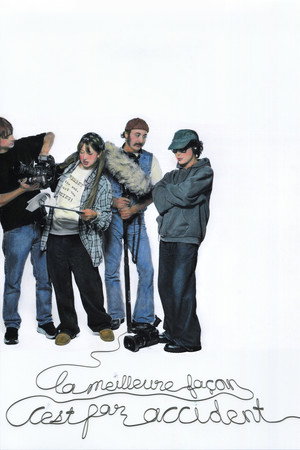
La meilleure façon, c'est par accident
Michel Brault, l'instinct de vue
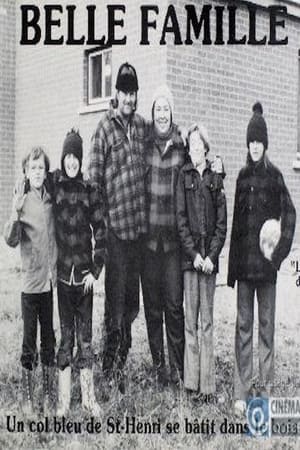
A working class family leaves St-Henri quarter in Montréal to build a new home in the countryside.
In this archival documentary, cinematographer John Bailey, production designer Eiko Ishioka, and composer Philip Glass discuss the conception of Paul Schrader's film, the image of Mishima that they had prior to committing to the project, the manner in which some of his ideas resonated with them, the unusual portrait of Mishima that the film offers, its form and visual style, etc.
It was the biggest escape in the history of the Berlin Wall: in one historic night of October 1964, 57 East-Berliners try their luck through a tunnel into West Berlin. Just before the last few reach the other side, the East German border guards notice the escape and open fire. Remarkably, all the refugees and their escape agents make it out of the tunnel unscathed, but one border guard is dead: 21-year-old officer Egon Schultz.
A mind-boggling "coincidence" leads the filmmaker to track down his fifth grade class – and fifth grade teacher – to examine their memory of and complicity in a bullying incident fifty years ago.
The tragedy of the Syrian people: War, conflict, loss, migration, exile, asylum, detention, drowning… A deserted place. Abandoned people. Abandoned country. The doors slammed shot; the doors are now locked - the keys thrown away...for what seems forever.
A couple receives a letter of eviction: they must leave their home in Trento within 60 days. They are two political refugees: he is Afghan and she is of Iranian origin. They have a 10-year-old son, Sepanta, who grew up in Italy, and has no memory of his grandparents, either paternal or maternal. They decide to dedicate these 60 days to their son, to offer him a different idea of home, and thus undertake a journey to his mother's native country. But an unexpected event upsets the plans.
A fictionalised documentary that tells the story of María Lejárraga, writer and pioneer of feminism in Spain during the 1920s, whose work was produced under the name of her husband, the theatre impresario Gergorio Marinez Sierra. Lejárraga was the most prolific Spanish female playwright of all time. She is the author of works such as "Cancion de cuna", as well as a member of parliament for the Second Republic and founder of pioneering projects for women's rights and freedoms.
Making of/behind the scenes featurette from the Julien Donkey-Boy DVD.
The film starts in Bermeo and ends in Gernika. A magical trip taking us from the scent of salt air and the fishing atmosphere of Bermeo port to the roots of the Tree of Gernika.
In 1992, KIM Bok-dong, reported herself as a victim of the sexual slavery, "comfort women" during World War Ⅱ. She wanted to receive the proper apology from the Japan government but they denied its responsibility. In 2011, commemorating the 1000th Wednesday demonstration, Statue of Peace was installed in front of the Embassy of Japan. The fight over Japan confronts a new stage.
Michael Wood tells the extraordinary story of an ordinary woman in a time of revolution. Born during the reign of Henry VIII, Mary Arden is the daughter of a Warwickshire farmer, but she marries into a new life in the rising Tudor middle class in Stratford-upon-Avon. There she has eight children, three of whom die young. Her husband becomes mayor, but is bankrupted by his shady business dealings. Faced with financial ruin, religious persecution and power politics, the family is the glue that keeps them together until they are rescued by Mary's successful eldest son - William Shakespeare!
Documentary look at the final two decades of the Orson Welles's career, featuring interviews with actor Norman Eshley, personal assistant Dorian Bond, and Henry Jaglom.