An experimental film about a peaceful and carefree life in a small Dalmatian town, which turns into bloodshed and horror on the eve of the Italian occupation of the country.
In a desperate attempt to survive, two deserters and a green beret try to reunite with their forces after the enemy unleashes its secret weapon.
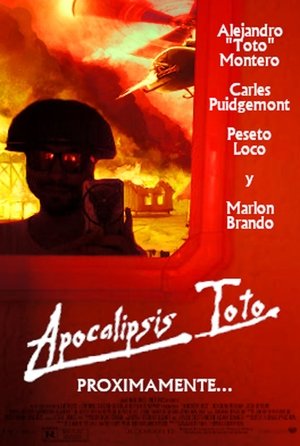
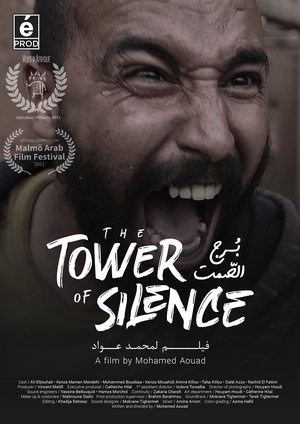
Toto, a worker in Catalonia, analyzes the violence spiral experienced in Barcelona in October 2019.
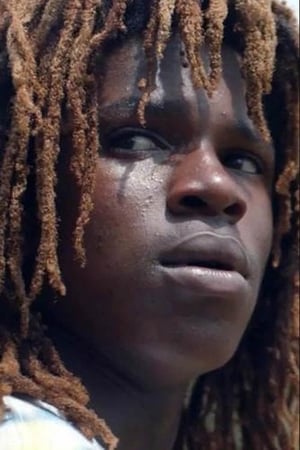
Rasta
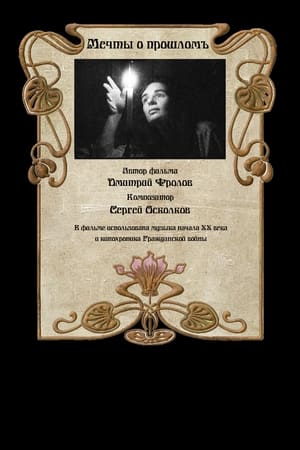
A film about peace, love and war. Dedicated to the 100th anniversary of the end of the Civil War in Russia. The film takes place at the end of the summer of 1917, when Russia and the whole world were at a crossroads between two eras. None of the people could even imagine how much his life would change in the very near future. In a strange way, the atmosphere of the film echoes our current reality and what is happening in Russia today. According to the form of visualization, the film belongs to experimental mockumentary cinema. To give greater authenticity to what is happening on the screen, the shooting was carried out on black-and-white negatives of 16 and 35 mm, hand-operated cameras were used and the material was developed in manual spiral tanks. The documentary chronicle of the Kolchak army of 1919 and the White army in the Far East of 1922 is embedded in the finale of the film.
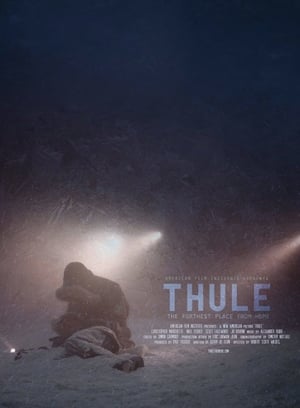
In 1962, a group of young men, stationed at a remote Air Force base, band together to undergo a dangerous mission to retrieve mail lost in the frozen landscape of Greenland.
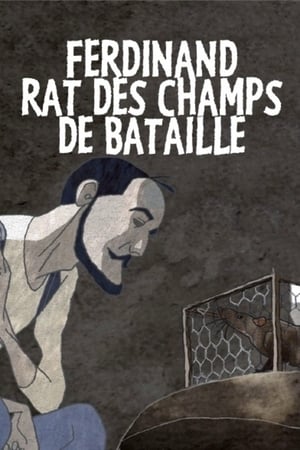
Ferdinand, Battlefield Rat
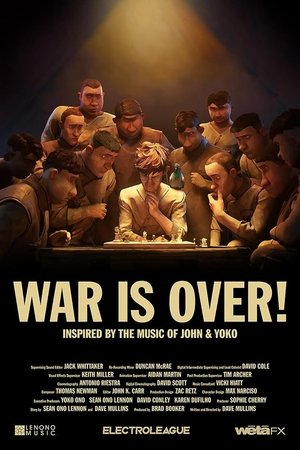
Set in an alternate WWI reality where a senseless war rages on, two soldiers on opposite sides of the conflict play a joyful game of chess. A heroic carrier pigeon delivers the soldiers' chess moves over the battlefield as the fighting escalates. Neither soldier knows his opponent as the game and the war builds to its climatic final move. Whoever wins the game, one thing is for certain: there are no winners in war.
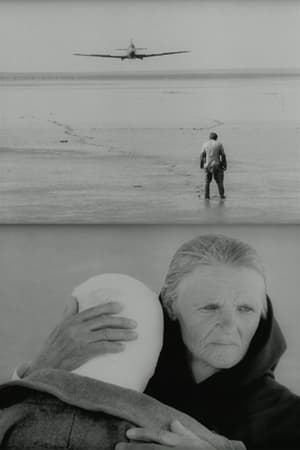
This film ballad is dedicated to those who never returned home from WW2. A group of retreating Soviet soldiers, crossing a lunar terrain in a desperate attempt to escape death, is attacked by a German fighter plane that appears like a bolt from the blue. One by one they are killed. Then suddenly, in an unlikely denouement bordering on the mystical, the attacker is shot down with a simple rifle. For ideological reasons that defy understanding this film, one of Viktor Hres’ earliest works, was shelved in 1967 by Soviet censors. In 2010, it was restored by the Debut Studio of the Oleksander Dovzhenko Film Studio with the support of the Ministry of Culture and Tourism of Ukraine.
A comedy short Directed by Castleton Knight,
In a remote and seemingly peaceful province of Ilaya, there lived two teenagers who explore their lives as the world around them grows darker.
Mourad is a young Moroccan man who lives alone on his parents' farm. After a meal, Mourad's family realizes that the scars of the past are beyond anything they could have imagined.
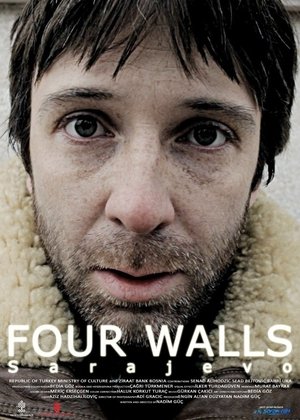
Mizar is constantly moving and running in Sniper surrounded Sarajevo streets. On the other hand, Mizar father, Jamil is handicapped and his only connection to the world is his son Mizar. One day the door bell of the room they reside in rings.
A man's mind jumps back and forth between increasingly extreme versions of the individual and the collective.
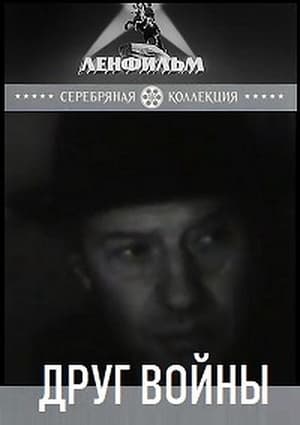
The film is set during World War II in a German-occupied European country. In a covered truck on a snow-covered road, the Germans are transporting a group of civilians. Thoughts of imminent death inevitably visit the passengers of the van. The Catholic priest accompanying the arrested, among whom there is a boy, prepares the companions to leave for another world. A complex psychological conflict arises between the priest and the boy. Circumstances develop in such a way that the boy manages to escape.
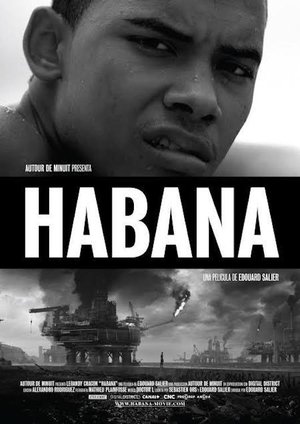
Havana is occupied by foreign forces and on the edge of civil war. Lazaro, a kid from the slums, walks us through his streets and reveals the chaos that has taken over the capital.
After concluding the now-legendary public access TV series, The Pain Factory, Michael Nine embarked on a new and more subversive public access endeavor: a collaboration with Scott Arford called Fuck TV. Whereas The Pain Factory predominantly revolved around experimental music performances, Fuck TV was a comprehensive and experiential audio-visual presentation. Aired to a passive and unsuspecting audience on San Francisco’s public access channel from 1997 to 1998, each episode of Fuck TV was dedicated to a specific topic, combining video collage and cut-up techniques set to a harsh electronic soundtrack. The resultant overload of processed imagery and visceral sound was unlike anything presented on television before or since. EPISODES: Yule Bible, Cults, Riots, Animals, Executions, Static, Media, Haterella (edited version), Self Annihilation Live, Electricity.
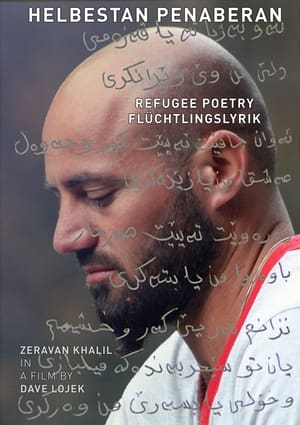
The Kurdish Iraqi poet and actor Zeravan Khalil travels with his dog through an Alpine gorge after fleeing from IS war and genocide. As he remembers the abomination, he writes a poem with the title “You drive me mad” in Kurmanji Kurdish. In his home country, Yazidic Kurds are forbidden to work in his profession. Then he eats his apple and wanders through Europe’s middle with more hope.
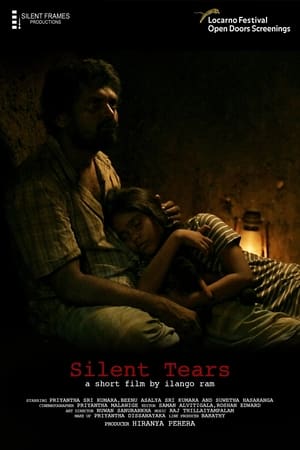
An innocent father and his blind daughter with a doll spend their days within the walls of a bunker during the final stages of civil war in Sri Lanka. The surprising third character connects the father, daughter and the doll in a sorrowful manner. The blood tears they shed during the darkest hours are unheard by many. The characters represent the current stages of the tamils in Sri Lanka. The ones who died, disappeared and the living dead.
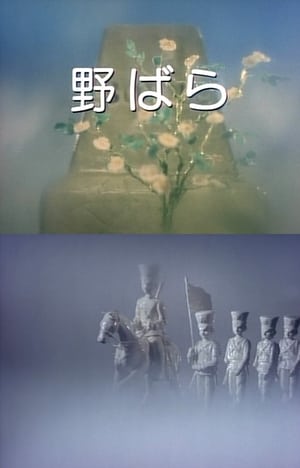
The bloom of wild roses connects an aging soldier from a large country with a youthful soldier from a small country, but the two are soon parted as one of them becomes a casualty of war.