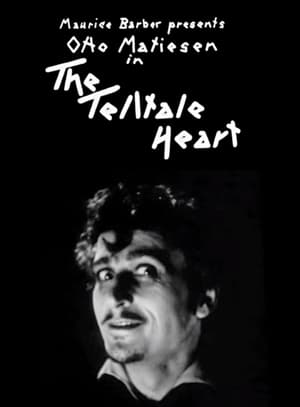
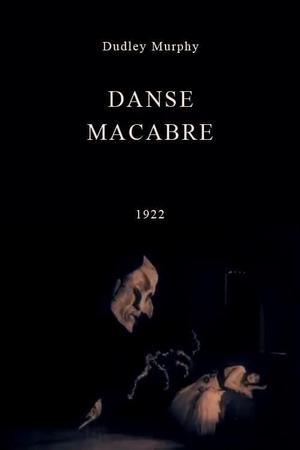
An insane man first loves then grows to hate his neighbor, an old man whose penetrating gaze unnerves the insane man. He plans a perfect crime and executes it one night. The next day, two officers knock on the insane man's door, investigating a shriek heard in the night. The insane man invites them in, answers their questions, and submits to an examination of his eyes by one of the officers, who proclaims him innocent. The insane man invites them to stay and relax awhile, then regales them with his theories of crime. His heart begins to beat louder. Angles on the set are skewed to suggest the man's internal disarray.
"This beautiful example of far-fetched blasphemy accompanies a happy, ugly nun into the woods for her constitutional, replete with charming bird noises. Praying to and fondling a priapic mushroom, she is unaware of the evil rapist shadowing her. When the rape occurs, it is in long shot, hidden from view, under a huge tree. Articles of clothes and her cross sail through the air; the tree - entirely dominating the screen - sways rhythmically and repeatedly. A few minutes later it stops; then another tree, a few feet away, begins to sway in identical fashion. The rapist finally emerges, exhausted." (Amos Vogel, Film as a Subversive Art)
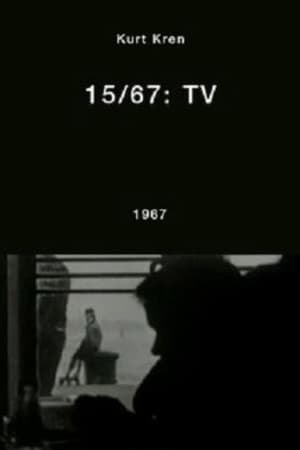
Kren frames the image to suggest a proscenium, with a view to the harbor that conveys a literal sense of “tele-vision”. The static framing of the image and the clearly stratified mise-en-scène can hardly provoke interpretation. The sight of the girls does so all the more. Kren, the gentle voyeur - who turns the viewer into a secret accomplice - observes three teenagers, and probably like them, awaits a rendezvous. (Thomas Trummer)
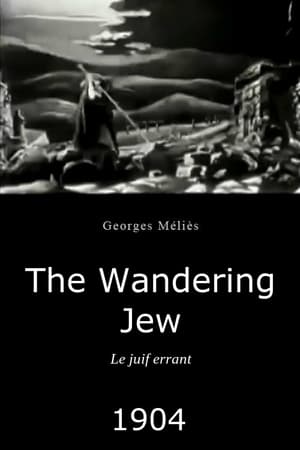
A Jew who mocked Jesus on the cross is visited by a devil and an angel.
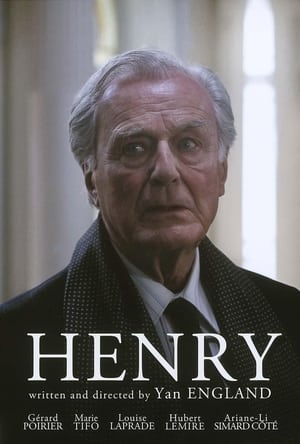
Henry, a great concert pianist, has his life thrown in turmoil the day the love of this life, Maria, disappears mysteriously. He'll then discover the inevitable verdict of life.
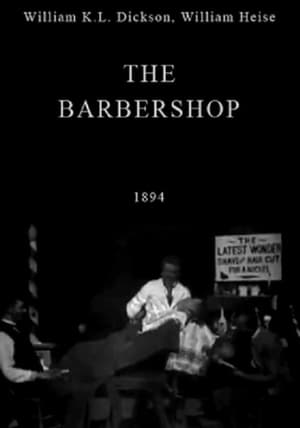
“Interior of Barber Shop. Man comes in, takes off his coat; sits down, smokes; is handed a paper by attendant, who points out a joke; both laugh. Meantime the man in the chair is shaved and has his hair cut. Very funny.” (Edison's Latest Wonders, 1894)
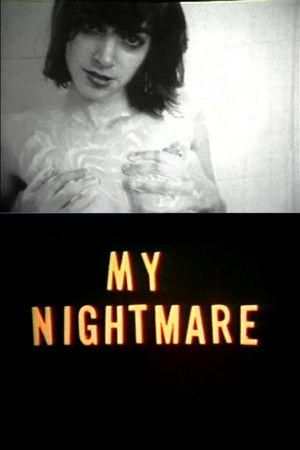
Director Richard Kern and model Susan McNamara engage in a chaotic fast-cut blend of fantasy and reality. A satire of some of Kern's own early work.
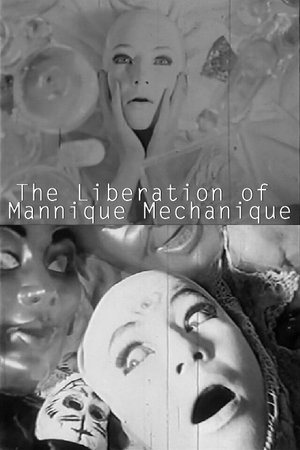
Although best known for his photography, Steven Arnold also wrote, designed, and directed several groundbreaking visionary films, The Liberation of Mannique Mechanique being the first. Stuart Comer of the Tate Modern (London) said of Mannique: “a macabre, decadent work presenting mannequins and models that travel through strange universes toward possible self-discovery.” Brooklyn-based artist and writer Kate Wadkins in a recent online article observed: “Arnold’s films are dream-like visions of androgynous beings. Their narratives are modern-day fairy tales and reveries about gender — all through the lens of an acid trip.”
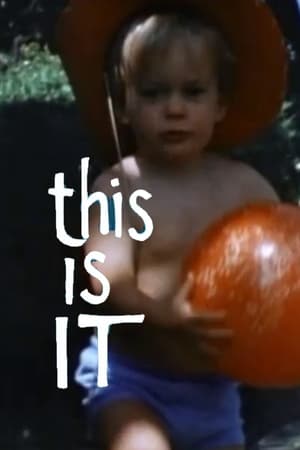
James Broughton's creation myth, THIS IS IT, places a 2-year-old Adam and a bright apple-red balloon in a backyard garden of Eden, and works a small miracle of the ordinary. And since that miracle is what his film is about, he achieves a kind of casual perfection in matching means and ends.
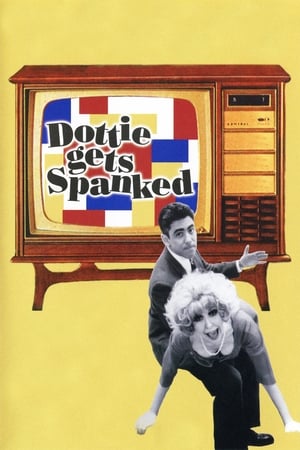
A six-year-old boy in pre-hippie 1960s United States endures ridicule from his schoolmates and worry from his father over his fixation with a TV star named Dottie.
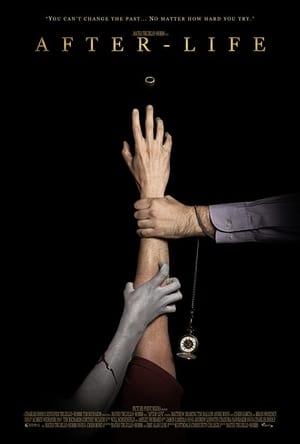
Michael Paton is dead, with no recollection as to why. Separated by death, Michael's body and soul have to work together to escape the After-Life, and salvage what redemption they have left.
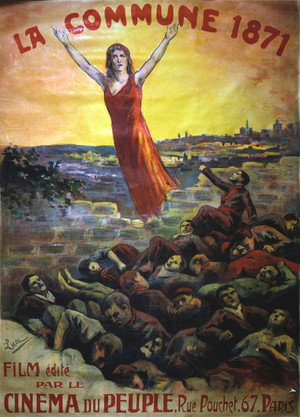
"La Commune" ( The Commune ) (1914) is a good example of Herr Guerra's peculiarities. It was produced by "Cinéma Du Peuple" ( People's Cinema ), a film cooperative supported by workers, and depicts the beginnings of the Commune of Paris, that working class uprising that briefly ruled and caused a mess during two months in the city of Paris in the year of 1871.
A wealthy society playboy falls in love with the daughter of a poor fisherman. After Valentino shot to fame, A Society Sensation was cut down to a meek 24 minutes so the lead would be in every scene. Title cards tried to make up for the lost scenes.
The Black Death is ravaging Spain. As Camille Saint-Saëns's "Danse Macabre" plays on the soundtrack, a mix of animation and acted scenes tells the story of Youth and Love meeting one night. They dance, embrace, and kiss. As the night wears on, exuberant Death, a skeletal figure with a violin, pursues the couple. They try to elude him. Eventually, Love swoons. Youth is powerless to protect her. Is she doomed?
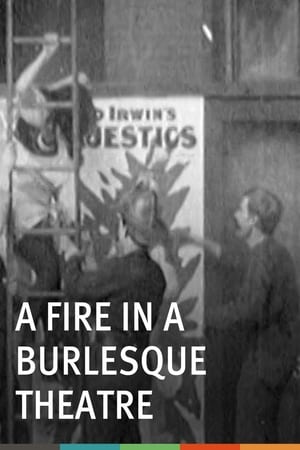
This short, otherwise unremarkable feature is of some interest because of the way that it unabashedly caters to the tastes that it perceived in its audiences. Besides combining the elements of the risqué 'blue' movies of the era with the popularity of movies about fires, it also attempted to use the combination to get extra mileage out of it. The movie's title summarises the setup, and most of the footage shows firefighters using ladders to rescue stage girls, clad in portions of their costumes, from an upper level. Although it all seems pretty tame by today's standards, it no doubt provided its male viewers with some brief moments of excitement as the various women hurried down the ladders with their costumes in disarray.
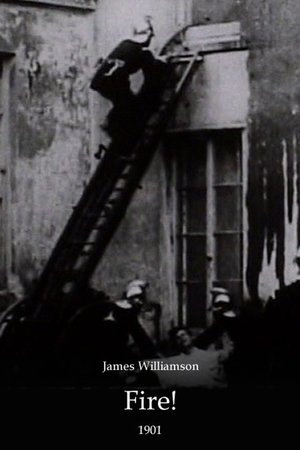
Firefighters ring for help, and here comes the ladder cart; they hitch a horse to it. A second horse-drawn truck joins the first, and they head down the street to a house fire. Inside a man sleeps, he awakes amidst flames and throws himself back on the bed. In comes a firefighter, hosing down the blaze. He carries out the victim, down a ladder to safety. Other firefighters enter the house to save belongings, and out comes one with a baby. The saved man rejoices, but it's not over yet.
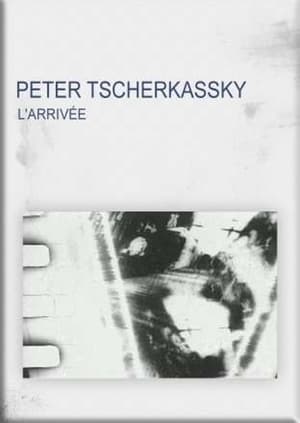
The first of Peter Tscherkassky's Cinemascope trilogy of short films is a fragmented glimpse of images pulsating with chaotic rhythm as they fight white margins for room in his palette. Mirrored frames being split by white margin and trying to reassemble again like the poles of a magnet, a train approaching station and colliding with itself in white-hot blistering chaos.
A tangled network woven with tiny particles of movements broken out of found footage and compiled anew: the elements of the "to the left, to the right, back and forth" grammar of narrative space, discharged from all semantic burden. What remains is a self-sufficient swarm of splinters, fleeting vectors of lost direction, furrowed with the traces of the manual process of production.
A six year old boy brings home a piece of schoolwork that provokes his parents to question his sexual orientation, and their own, with disastrous and hilarious results.
Husband comes home late and wakes the wife. Based on a popular stage play.