Paparazzi explores the relationship between Brigitte Bardot and groups of invasive photographers attempting to photograph her while she works on the set of Jean-Luc Godard's film Le Mépris (Contempt). Through video footage of Bardot, interviews with the paparazzi, and still photos of Bardot from magazine covers and elsewhere, director Rozier investigates some of the ramifications of international movie stardom, specifically the loss of privacy to the paparazzi. The film explains the shooting of the film on the island of Capri, and the photographers' valiant, even foolishly dangerous, attempts to get a photograph of Bardot.
A documentary on Fellini’s lost alternate ending for 8½
Omnibus: François Truffaut
The dawn of the 21st Century has found much of modern society obsessed with occult mysteries, sadistic violence, and evil. Everything from cartoons and video games to recorded music and major theatrical films are being designed and promote to "satisfy" the public's insatiable lust for the macabre. Most disturbing is the rise in the practice of Satanism. Law enforcement agencies are unable to keep up with the increasing numbers of heinous, Satanically inspired crimes. Basically a remake of Devil Worship: The Rise of Satanism (1989) using the same footage.
As Hong Kong's foremost filmmaker, Johnnie To himself becomes the protagonist of this painstaking documentary exploring him and his Boundless world of film. A film student from Beijing and avid Johnnie To fan, Ferris Lin boldly approached To with a proposal to document the master director for his graduation thesis. To agreed immediately and Lin's camera closely followed him for over two years, capturing the man behind the movies and the myths. The result is Boundless, a candid profile of one of Hong Kong's greatest directors and a heartfelt love letter to Hong Kong cinema.
Documentary about master director Roberto Rossellini, who tells details of his life and childhood and visits the places where he has lived and shot some of his most famous movies.
Hour long documentary on the legendary director.
Four lives that could not be more different and a single passion that unites them: the unconditional love for their cinemas, somewhere at the end of the world. Comrades in Dreams brings together six cinema makers from North Korea, America, India and Africa and follows their efforts to make their audiences dream every night.
A tour of the the Exotic Locations of 'Tomorrow Never Dies'.
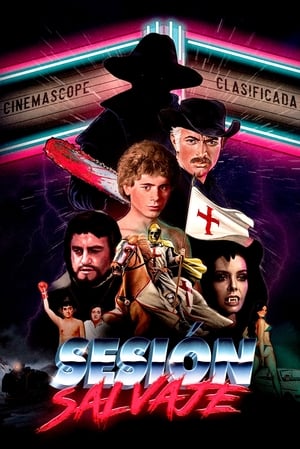
In the late sixties, Spanish cinema began to produce a huge amount of horror genre films: international markets were opened, the production was continuous, a small star-system was created, as well as a solid group of specialized directors. Although foreign trends were imitated, Spanish horror offered a particular approach to sex, blood and violence. It was an extremely unusual artistic movement in Franco's Spain.
When the silent cinema learned to speak, the audience was surprised not only by the voices of the actors and the sound effects, but also by a new element, the music, which, combined with the dance and an unprejudiced imagination, gave rise to a new genre, as important to Hollywood cinema as the western was: the musical. A journey through the history of this genre, from its beginnings to the present day.
Documentary about filmmakers of the New German Cinema who were members of the legendary Filmverlag für Autoren (Film Publishing House for Authors). Among them are Werner Herzog, Rainer Werner Fassbinder, and Wim Wenders.
An episode of the television program Cinéastes de notre temps in which the director gives his first on-camera interview.
A documentary about the making of Jean-Pierre Melville's 1949 film "Le silence de la mer"
Nagisa Oshima interviews Akira Kurosawa, leading him to share his thoughts about filmmaking, his life and works, and numerous anecdotes relating to his films and his various film activities.
An intimate portrait of the superb actress Gena Rowlands, icon of independent cinema. Together with her husband, legendary director John Cassavetes (1929-89), she lived an unusual life beyond the dream factory, a life in which reality and fiction were so perfectly intertwined that it made possible films that still today seem incredibly real.
As the first "blonde bombshell," Mae West reigned supreme and changed the nation's view of women, sex and race — on stage, in films, on radio and television.
Known for his personification of the Western Hero, it was Montana-born Gary Cooper's horse-riding skills that first brought him bit parts in movies. And he never lost his love of the great American outdoors. Though he rarely played a villain and was an adept comedian, Cooper is best remembered for his strong, silent heroes. With his lanky country boy looks and shy hesitancy he created a unique screen presence, though his real life was one of sophisticated elegance.
He went from street-wise tough to art-collector liberal-activist, from circus-acrobat hunk to Academy Award winner. Burton Stephen Lancaster — later Burt Lancaster — was one of five children of a New York City postal worker. By eighteen, Burt was 6'2" and blessed with the athletic physique and dynamic good looks that helped make him famous. A stint in the Army introduced Burt to acting and led him to Hollywood where his first release, "The Killers" (1946), propelled him to stardom at age 32. He took control of his own career and seldom faltered.
A behind-the-scenes documentary about director Michelangelo Antonioni as he's shooting his segment of The Three Faces, a vehicle for Soraya, the former empress of Persia. Featuring interviews with Monica Vitti, Tonino Guerra and more.