The Making of the feature film 'Nothing But the Truth'.
Abelardo is a documentary about José Antônio da Silva Ballestero who has been a projectionist for 53 years at cinemas on the west border of the state of Rio Grande do Sul, Brazil. José Antônio learned how to do the work with his father, who also was a projectionist and encouraged him to work in the projection room since he was a boy. The film tells the journey of a humble man showing his simple passionate view of the cinema. The memories, the films and opinions are revealed through a very spontaneous and amusing language. The projection problems, when the TV started, the VHS, DVD, pirate, internet, and the new technology that is coming to replace the old way of projection. Abelardo captivates people with his sincerity and friendliness. This is a nice story of the difficult job of a projectionist.
'Set Apart' is a documentary about monasticism, a portrait of four men who have made a radical choice in response to a beautiful calling. Brother Joseph Bruneau, Frater Caesarius Marple, Father Anthony Nguyen, and Abbot John Braganza, all live in Westminster Abbey, a community of Benedictine monks situated in Mission, BC. The film documents their daily life of prayer, work, and community life, and seeks to explore their own personal journeys in becoming monks. The monks discuss not only what it was like to feel a calling, to leave their families behind, and to embrace a celibate lifestyle, but also the deep joy and peace they have found since they followed that calling and became members of the monastic community.
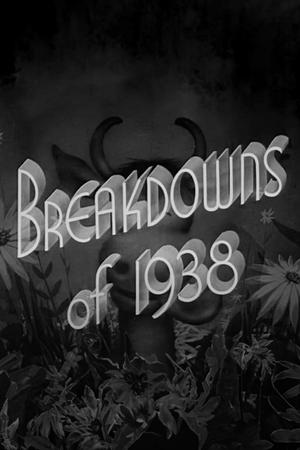
Flubs and bloopers that occurred on the set of some of the major Warner Bros. pictures of 1938.
Documentary about the ten days the director spent in Moscow, during the 1986 Moscow Youth Festival, as kind of a gay delegate.
In Search of Avery Willard iIlluminates the life and work of the groundbreaking, and mostly forgotten, artist Avery Willard — photographer, filmmaker, writer, publisher, leatherman, pornographer.
An autobiographical journey for filmmaker Lawrence Johnston, who grew up as one of six siblings to his Aboriginal father Colin and non-Indigenous mother, Gloria. Their marriage was a tempestuous one that included physical and emotional abuse. Johnston's unflinching film is a personal and emotional journey that looks at love, marriage, family, and commitment, as he explores the effect his parents' marriage has had on his romantic ideals. His debut feature film Life won the FIPRESCI International Critics Prize at the 1996 Toronto Film Festival and was nominated for four Australian Film Institute Awards and four Australian Film Critics Circle Awards including Best Actor and Best Screenplay.
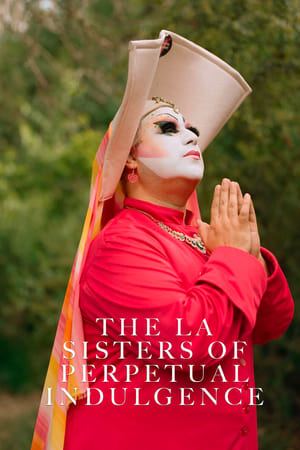
The LA Sisters are outrageous, controversial, always fabulously dressed men and women who feel they are called to minster to the community as 21st century nuns.
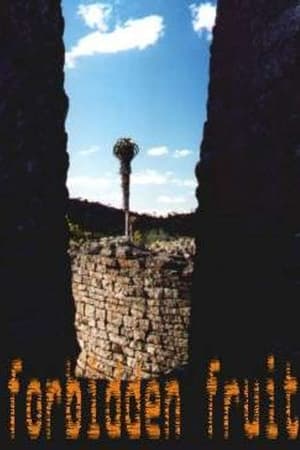
Filmed in Zimbabwe, the film depicts the romantic relationship between two women, and the aftermath of the discovery of their relationship
Robert Mapplethorpe gets his nipple pierced while his boyfriend lends his support in person. Patti Smith lends her support via voice over as she rambles on about her childhood, her transvestite brother, her breasts and Bob Dylan?
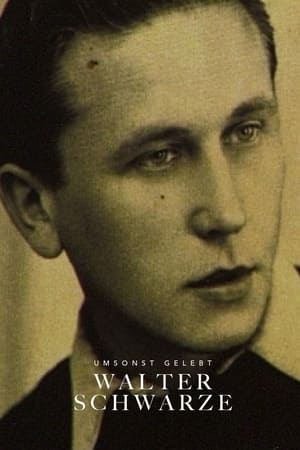
“This film is part of a series of films on gay men who survived the Nazi era. I met Walter Schwarze when he was already in his eighties. My camera recorded his first public account of his five-year incarceration as a homosexual at Sachsenhausen concentration camp. He was in his fifties when he met Ali in his hometown of Leipzig; the two men became partners and remained close until his demise. And yet, Walter told me, he felt he had lived in vain because he had not had the good fortune of today's gays, who are able to grow up in freedom. Walter Schwarze died of cancer on May 10, 1998.” Rosa von Praunheim
Inspired by a poem by William Blake: a short experimental film about the perception of vision.
The original documentary on the Wigstock festival, back in the day when it was a much smaller affair in Thompkins Square Park. A full day of peace, love, and wigs…
A short documentary about the October 14 1979 March For Lesbian And Gay Rights in Washington D.C.
This film features unreleased concert footage of Elvis Presley's afternoon performance at the 'Mississippi-Alabama Fair and Dairy Show' held at the Fairgrounds in Tupelo, Mississippi on September 26, 1956. The professionally filmed black and white newsreel footage was synchronized with an amateur audio recording of the concert that had previously appeared on the 'Elvis Presley: A Golden Celebration' LP/CD box set.
A depiction of a girl’s uneasy state of mind as it wavers between life and death.
On the dance floor and from the heart, people with disability and their families share relationship stories, hopes and challenges.
About the English musician, composer, record producer, singer, writer, and visual artist, Brian Peter George St John le Baptiste de la Salle Eno, made shortly after his departure from Roxy Music. Featuring the recording sessions for Eno's record "Here Come the Warm Jets". A long lost documentary.
A dark and magical visit to the fabled Parisian address Rue Fontaine 42. This was the residence of André Breton, the mastermind of surrealism, who surrounded himself with an impressive collection of modern, Western art and ethnographic objects from Oceania and North America. The collection was sold and divided up in 2003 at a controversial auction. 'The Trick Brain' is a delirious montage and a trip back in time to Breton's private art collection, where Atkins has been scouring the archives and come up with a possessing interior film of the place that once was, complete with surrealistic paintings, scores of Indian figures and hundreds of other displayed rarities. The film's soundtrack is provided by an observant narrator, who reveals to us that the objects shown are not necessarily what they claim to be - but instead are catalysts for some kind of wonderful linguistic virus which reveals the real identity of things.
The 1920s saw a revolution in technology, the advent of the recording industry, that created the first class of African-American women to sing their way to fame and fortune. Blues divas such as Bessie Smith, Ma Rainey, and Alberta Hunter created and promoted a working-class vision of blues life that provided an alternative to the Victorian gentility of middle-class manners. In their lives and music, blues women presented themselves as strong, independent women who lived hard lives and were unapologetic about their unconventional choices in clothes, recreational activities, and bed partners. Blues singers disseminated a Black feminism that celebrated emotional resilience and sexual pleasure, no matter the source.