After World War II a group of young writers, outsiders and friends who were disillusioned by the pursuit of the American dream met in New York City. Associated through mutual friendships, these cultural dissidents looked for new ways and means to express themselves. Soon their writings found an audience and the American media took notice, dubbing them the Beat Generation. Members of this group included writers Jack Kerouac, William Burroughs, Allen Ginsberg. a trinity that would ultimately influence the works of others during that era, including the "hippie" movement of the '60s. In this 55-minute video narrated by Allen Ginsberg, members of the Beat Generation (including the aforementioned Burroughs, Anne Waldman, Peter Orlovsky, Amiri Baraka, Diane Di Prima, and Timothy Leary) are reunited at Naropa University in Boulder, CO during the late 1970's to share their works and influence a new generation of young American bohemians.
What if, instead of bombs, we dropped watermelons? Dreamy and hopeful, this animated short sweeps us up into a colourful world where layers of reality and creativity intersect. Our protagonist navigates through it all seamlessly, and in the process shows us the importance of imagination.
Chemical engineer and inventor Maria Telkes worked for nearly 50 years to harness the power of the sun, designing and building the world's first successful solar-heated modern residence and identifying a new chemical that could store solar heat like a battery. Telkes was undercut and thwarted by her (male) boss and colleagues at MIT, but she persevered. Upon her death in 1995 Telkes held more than 20 patents, and now she is recognized as a visionary pioneer in the field of sustainable energy whose work continues to shape how we power our lives today.
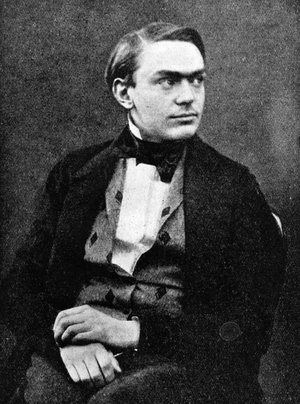
This John Nesbitt's Passing Parade short tells the story of Alfred Nobel, who invented dynamite, and later established the Nobel Prize.
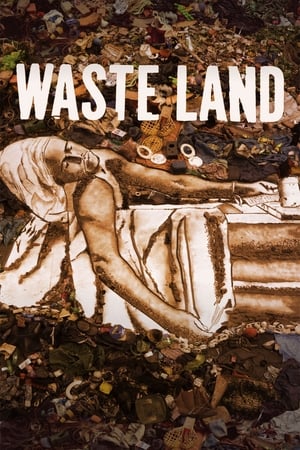
An uplifting feature documentary highlighting the transformative power of art and the beauty of the human spirit. Top-selling contemporary artist Vik Muniz takes us on an emotional journey from Jardim Gramacho, the world's largest landfill on the outskirts of Rio de Janeiro, to the heights of international art stardom. Vik collaborates with the brilliant catadores, pickers of recyclable materials, true Shakespearean characters who live and work in the garbage quoting Machiavelli and showing us how to recycle ourselves.
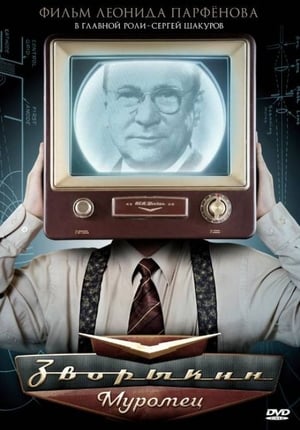
Parfenov's documentary is about a brilliant scientist and engineer, born in Russia, but only known on the other side of the ocean. The invention of modern television changed the history of mankind. The invention has an author, who is almost unknown in his homeland. Vladimir Zworykin, born in Murom, a Russian American, was the person who created distant wireless transmission of images.
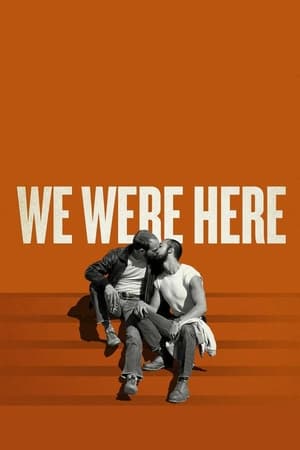
A reflective look at the arrival and impact of AIDS in San Francisco and how individuals rose to the occasion during the first years of the crisis.
The story of Dr. George Washington Carver (1864-1943), black educator and horticulturist. He is perhaps most well known for developing over 140 products from all parts of the peanut plant, including the shells and husks. He also developed products based on sweet potatoes and soybeans, and developed a cotton hybrid that was named after him.
"American Cafe" is a look into Cafe Racer motorcycle culture in the United States. Transplanted from Europe, the term "Cafe Racer" describes both a type of motorcycle as well as the personality of those who ride them. American Cafe tells the story of this culture in America by following two motorcyclists attempting to build Cafe Racers to ride in the Slimey Crud Motorcycle Gang Cafe Racer Run; one of the most well known, yet least understood, cafe racer events in the country.
This documentary interweaves films and voice recordings by Maya Deren with interviews featuring colleagues and contemporaries who worked with or knew her firsthand. Drawing on archival material and commentary from figures such as Jean Rouch and Jonas Mekas, the film traces Deren’s work and influence across experimental cinema and ethnographic thought.
The amazing story of the animograph, a machine created in France in the sixties by the cartoonist and self-taught inventor Jean Dejoux (1922-2015), whose creation was intended to revolutionize the animation industry.
MAKE is a feature-length documentary for the modern creative, produced by the team at Musicbed. This film is a question. A conversation starter. It's an examination of the reasons we create and the things that drive us to make something new - passion or success. The film looks to examine the myth of creative success and what it means to live a healthy life as an artist.
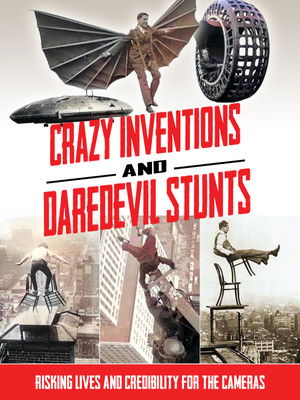
This short film celebrates the hard work, tenacity, and ingenuity of inventors. Highlighted are some seemingly small inventions that have become part of daily life.
A feature-length exploration of the game's creation, and a love letter to the trials of exploring new territory. There are no road maps or guide books for creating a new world. The only way through is to fail—over and over again. This is the story of how a team of artists, musicians, programmers, writers, actors, filmmakers, playtesters, and a lonely UI designer—came together and pushed each other to build something larger than themselves.
Trees talk, know family ties and care for their young? Is this too fantastic to be true? German forester Peter Wohlleben and scientist Suzanne Simard have been observing and investigating the communication between trees over decades. And their findings are most astounding.
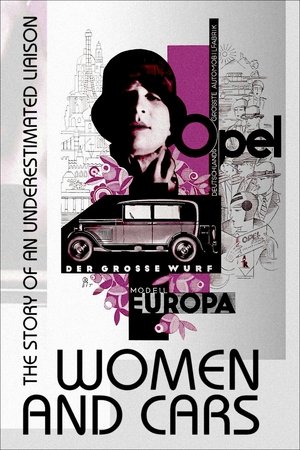
Since the invention of the automobile, women have distinguished themselves by their daring: the history of women in motor sport.
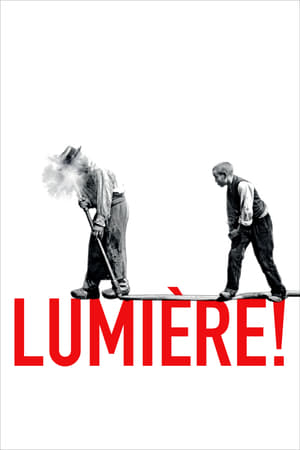
A collection of restored prints from the Lumière Brothers.
The sequel to Lumière! L'aventure commence (Lumière! The Adventure Begins) reveals another hundred Lumière films, all immaculately restored, and aims above all to explore more deeply the history of the invention and affirmation of cinema in the world. This new feature-length film, following the great success and worldwide release of its predecessor, will confirm to audiences everywhere that the roots of the greatest and most beautiful works in the history of cinema lie in its origins, which are both profoundly French and truly international.
Traceable follows Laura Siegel, a fashion designer who takes a critical look at the fashion supply chain and fast fashion industry, travels through India in order to meet and work together with the artisans who create the majority of the clothing that we wear. The film explores our growing disconnect of how and who makes our clothing, thus instilling a need for traceability in the fashion industry.
Die Macht der Elektronengehirne