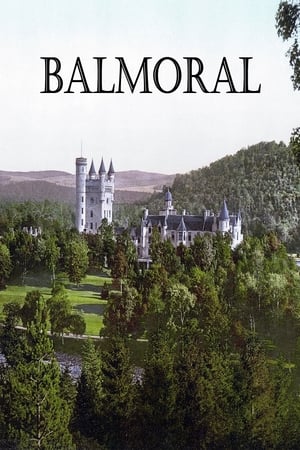
Documentary telling the story of Balmoral, the royal family's most private residence. For over 150 years this Scottish castle has been home to royal traditions of picnics, stag hunting and kilts. From prime ministers to Princess Diana, life at this tartan-bound holiday home has not appealed to everyone. But there is another story of Balmoral, of how the royal family has played a role in shaping modern Scotland and how Scotland has shaped the royal family. Queen Victoria's adoption of Highland symbols, from tartan to bagpipes, helped create a new image for Scotland. Her values, too, helped strengthen the union between Scotland and England. Ever since, Balmoral has been a place that reflects the very essence of the royal family.
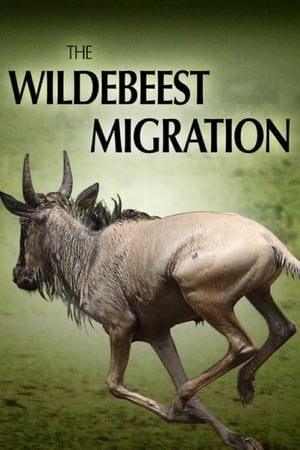
Every year, on the steppes of the Serengeti, the most spectacular migration of animals on our planet: Around two million wildebeest, Burchell's zebra and Thomson's gazelles begin their tour of nearly 2,000 miles across the almost treeless savannah. For the first time, a documentary captures stunning footage in the midst of this demanding journey. The documentary starts at the beginning of the year, when more than two million animals gather in the shadow of the volcanoes on the southern edge of the Serengeti in order to birth their offspring. In just two weeks, the animal herd's population has increased by one third, and after only two days, the calves can already run as fast as the adults The young wildebeest in this phase of their life are the most vulnerable to attacks by lions, cheetahs, leopards or hyenas. The film then follows the survivors of these attacks through the next three months on their incredible journey, a trip so long that 200,000 wildebeest will not reach the end.
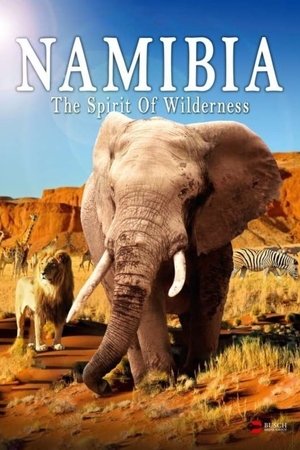
With more than 300 days a year, the sun dominates this country so much that it’s even shining from their flag. It’s a barren land, sometimes it’s like it’s from another planet but still familiar. It is land of contrasts and colours with wide landscapes and fascinating deserts. Influenced by various cultures during colonization and now reborn from the shadows of Apartheid in 1990, Namibia gives a beautiful collage of culture, language, art, music and food. Everyone who loves an adventure should travel to Namibia, the precious corner of our world full of incredible natural wonders. The experience of endless landscapes and an unparalleled blaze of colour make Namibia unforgettable. NAMIBIA – THE SPIRIT OF WILDERNESS invites you on a trip whose fascination will never let you go: From the Namib Desert over the breath-taking Fish River Canyon to the spectacular Etosha National Park where you will see wild elephants, antelopes, giraffes, zebras and lions.
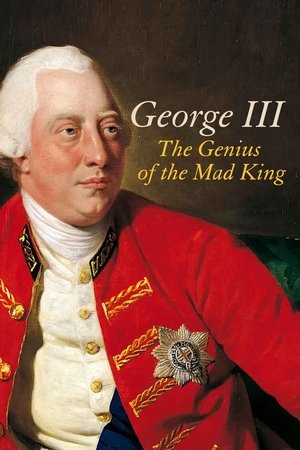
After 200 years under lock and key, all the personal papers of one of our most important monarchs are for the first time seeing the light of day. In the first documentary to gain extensive access to the Royal Archives, Robert Hardman sheds fascinating new light on George III, Britain's longest reigning king. George III may be chiefly remembered for his madness, but these private documents reveal a monarch who was a political micromanager and a restless patron of science and the arts, an obsessive traveller who never left southern England yet toured the world in his mind and a man who was driven (sometimes to distraction) by his sense of duty to his family and his country. Featuring Simon Callow and Sian Thomas as the voices of King George and Queen Charlotte.
The story of Prince Philip's mother, who fled revolution in Greece, was experimented on by Sigmund Freud, hid Jews from the Nazis, gave all her possessions away, and founded her own religious order.
In 1977, Prince Charles was inducted as honorary chief of the Blood Indians on their reserve in southwestern Alberta. The ceremony, conducted in the great Circle of the Sun Dance, commemorated the centennial anniversary of the original signing of Treaty 7 by Queen Victoria.
The first filmmaker arrived in Equatorial Guinea in 1904. The last movie theatre closed in Malabo in the 1990s. In 2011, during the II African Film Festival of Equatorial Guinea, the Marfil Movie Theatre reopened its doors. Florencio, Ángel and Estrada tells us how cinema has been, and is still, present in their lives.
The reception to the future King Edward VII upon his arrival to Edinburgh in 1899.
This film speaks of archaic peoples, their customs and mores, in an attempt to make the last snapshots of their traditional lifestyles before they are gone for good.
Mazarin, les liaisons dangereuses
As a mother, Diana's energies were devoted to her boys, the most important part of her life, and she laid the foundations for them to grow into strong, resilient and kind young princes, instilling into them qualities that would help to shape a truly modern monarchy. In her actions, and in her words, Diana changed the workings of the British monarchy forever. Join us as we look back at her lasting legacy and her impact on those she loved the most.
Diana's butler and confidant, Paul Burrell, provides us with his insight into the real Diana, in her lonely hours behind palace doors. Dedicated to serving Diana, both in life and in death, Paul shares his very personal story.
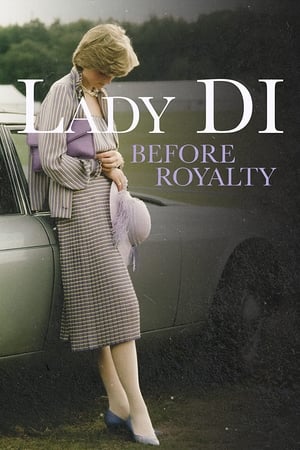
In 1980, an innocent nursery school teacher would go from anonymity to worldwide super stardom practically overnight. In this documentary we take a look at the story of the country girl before Buckingham Palace, meet her friends, the people who knew her and visit the school where she spent her childhood.
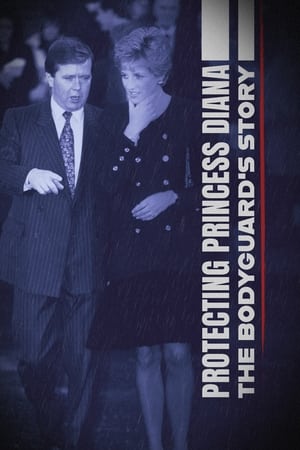
Diana, Princess of Wales. One of the most famous and most photographed women in the world. But with fame comes lack of privacy and the need for greater security. Inspector Ken Wharfe, Diana's royal protection officer, tells us first hand the truth about what life was really like for the princess. Revealing his affectionate account of his years protecting Diana from 1986 until 1993.
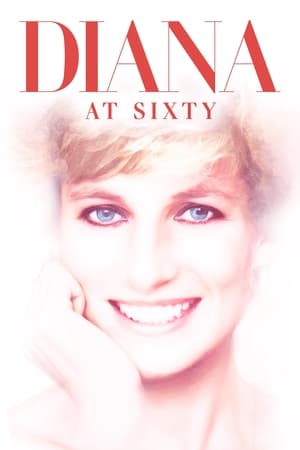
A new insight into Lady Diana's life, loves and looking at where she might be today. Loved the world over and became bigger than The Crown itself.
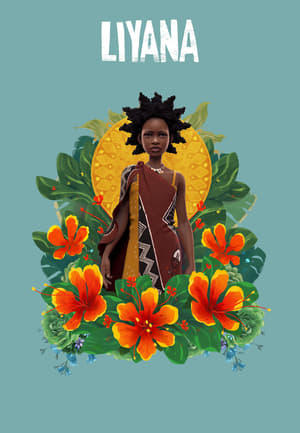
A talented group of orphaned children in Swaziland create a fictional heroine and send her on a dangerous quest.
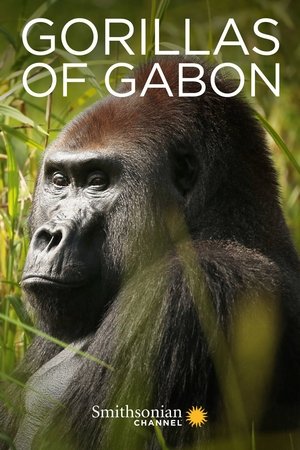
A race is on to save Gabon’s Moukalaba-Doudou National Park and the silverback gorillas that call it home. Once, this area was protected by a thriving oil industry, but now, big companies are moving out and the logging industry is poised to move in. Ecotourism could be the only way to prevent the trees of this rainforest from coming down, but a team of conservationists needs to make the gorillas of Gabon tolerant of humans first. Follow them as they get up-close with the gorillas, study their moves, and journey to war-torn Central African Republic to learn the secrets of successful gorilla habituation.
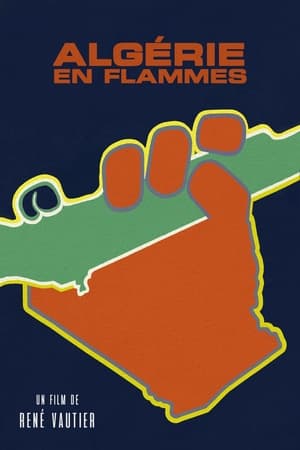
These are the first images shot in the ALN maquis, camera in hand, at the end of 1956 and in 1957. These war images taken in the Aurès-Nementchas are intended to be the basis of a dialogue between French and Algerians for peace in Algeria, by demonstrating the existence of an armed organization close to the people. Three versions of Algeria in Flames are produced: French, German and Arabic. From the end of the editing, the film circulates without any cuts throughout the world, except in France where the first screening takes place in the occupied Sorbonne in 1968. Certain images of the film have circulated and are found in films, in particular Algerian films. Because of the excitement caused by this film, he was forced to go into hiding for 25 months. After the declaration of independence, he founded the first Algerian Audiovisual Center.
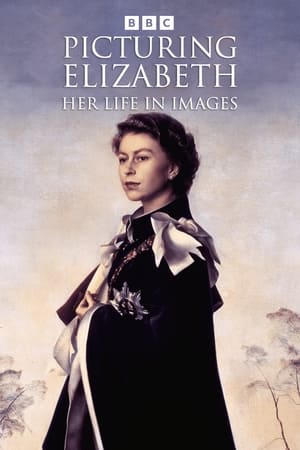
Sophie Raworth explores the stories behind some of the most famous and era-defining pictures of the Queen, and shows how they chart our changing relationship with the monarchy.
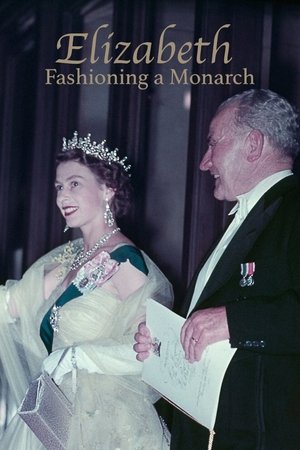
In this special tribute Fiona Bruce looks at how, across the decades, The Queen used her wardrobe to fashion a style that came to perfectly reflect her dedication to duty.