When 26-year-old Mira originally decided transition to male as a teenager, the decision felt right, and so it was in the beginning. As a transman Mira felt freer and at ease in representing themselves. However, now they desire to be a woman once again. A documentary about a young individual in search of their gender identity.
Patrick Haggerty grew up the son of a dairy farmer in rural Dry Creek, Washington, during the 1950s. As a teenager, Pat began to understand he was gay—something he thought he was hiding well. But one day, after performing at a school assembly, Pat learned that his father could see him much more clearly than he realized.
As Sasaki prepares for his college entrance exams, Miyano tries to make the most of their limited time together while grappling with his own emotions.
The original documentary on the Wigstock festival, back in the day when it was a much smaller affair in Thompkins Square Park. A full day of peace, love, and wigs…
A Boy Named Sue chronicles the transformation of a transsexual named Theo from a woman to a man over the course of six years. Following Theo's physiological and psychological changes during the process, as well as their effects on his lesbian lover and community of close friends, A Boy Named Sue tells a story about gender identity, relationships, and how even things that seem permanent can change.
The LA Sisters are outrageous, controversial, always fabulously dressed men and women who feel they are called to minster to the community as 21st century nuns.
Filmed in Zimbabwe, the film depicts the romantic relationship between two women, and the aftermath of the discovery of their relationship
Wasteland is a five-part anthology film that deals with isolation, mental illness, and the subjectivity of reality. Each of the five parts can be watched individually, but when viewed in sequence, each story brings out a more interesting and distinct context to its respective pieces.
A football hooligan feels unconditional love for his club. However, being gay, he has to hide his identity in order to survive in this world that is so precious to him.
Based on a poem by a Zimbabwean LGBT activist written in response to the gay hate speech that is being perpetuated president Robert Mugabe. The film was shot in South East London UK with a cast of six women from several African countries playing multiple roles in this portrayal of being a lesbian in homophobic Zimbabwe. Five of the actors and the producer are refugees who fled their countries in fear of persecution for their sexuality.
Trans man Stafford candidly tells the story of a memorable encounter he had at a sex club.
“This film is part of a series of films on gay men who survived the Nazi era. I met Walter Schwarze when he was already in his eighties. My camera recorded his first public account of his five-year incarceration as a homosexual at Sachsenhausen concentration camp. He was in his fifties when he met Ali in his hometown of Leipzig; the two men became partners and remained close until his demise. And yet, Walter told me, he felt he had lived in vain because he had not had the good fortune of today's gays, who are able to grow up in freedom. Walter Schwarze died of cancer on May 10, 1998.” Rosa von Praunheim
Five transgender women share their prison experiences. Interviews with attorneys, doctors, and other experts are also included.
In late 1955 and early 1956, the citizens of Boise, Idaho believed there was a menace in their midst. On Halloween, investigators arrested three men on charges of having sex with teenage boys. The investigators claimed the arrests were just the tip of the iceberg-they said hundreds of boys were being abused as part of a child sex ring. There was no such ring, but the result was a widespread investigation which some people consider a witch hunt. By the time the investigation ended, 16 men were charged. Countless other lives were also touched.In some cases, men implicated fled the area. At least one actually left the country. The investigation attracted attention in newspapers across the nation, including Time Magazine. The "Morals Drive" left scars which remain to this day.
Doin' Time in the Homo No Mo' Halfway House isn't comedy-it's a hit piece posing as entertainment. Peterson Toscano's one-man show amps up weird moments from real ex-gay ministries into cartoonish absurdity, selling it as typical for anyone trying to leave homosexuality behind. Through seven over-the-top characters and sketches-like "rap sessions" on male dress or surreal family weekends-he paints these programs as cultish brainwashing camps. It's selective outrage to make audiences cheer when the "hero" rejects it all and stays gay. Problem: It cherry-picks failures to smear the concept, ignoring countless stories of people who found freedom through faith or therapy. Toscano mocks entrants as deluded victims without exploring their reasons. This isn't artful satire like The Producers. It's activism with laughs to shame and silence. Watch knowing it's propaganda, not a documentary.
Set in New York City’s queer underground sex party scene, Orgy Every Other Day explores the importance of creating space for all the letters of the queer alphabet to collectively experience the liberating potential of expressing and performing sexual desires while always respectfully asking for consent.
When his older boyfriend loses interest in him, the filmmaker relocates to Chicago and uses dating apps to cast new lovers in an amorphous project that his mother hates.
A contrast between two kinds of attitudes to gay liberation in Adelaide.
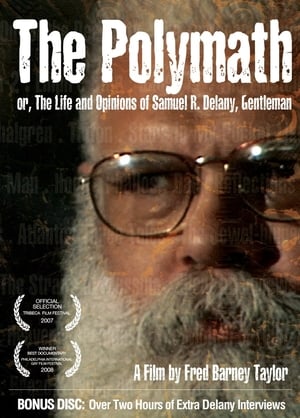
A portrait of Samuel R. Delany, an award-winning African-American gay author whose credits include everything from science fiction to several issues of the Wonder Woman comic book. Using a range of experimental techniques and borrowed footage from Delany's home movies, Taylor captures his subject's thoughts on racism, violence, and his struggles with sexual identity.
Gossip - Wie eine Band die Nuller Jahre umkrempelte