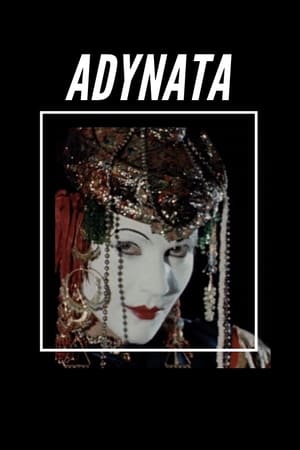
A formal 1861 portrait of a Chinese Mandarin and his wife is the starting point for this allegorical investigation of the fantasies spawned in the West about the East, particularly that which associates femininity with the mysterious Orient. ADYNATA presents a series of oppositions-male and female images, past and present sounds-which in and of themselves construct a minimal and fragmentary narrative, an open text of our imaginations, fears and fantasies.
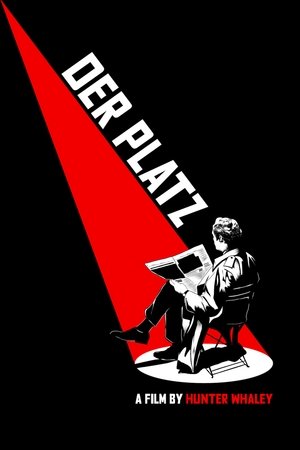
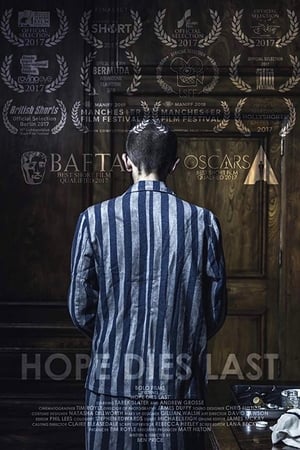
Stranded in Cold War-era Berlin, a British counterintelligence officer awaits the day his handlers will finally arrive to collect him. Given no information but a time and place, he diligently keeps his appointment, watching and waiting for something to happen; even as weeks turn to years . . .
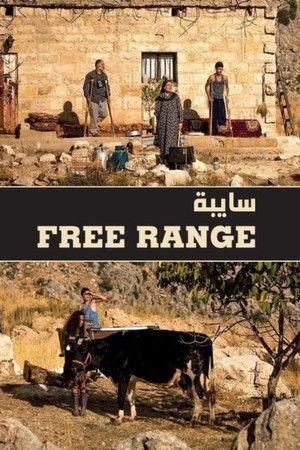
Based on actual events, Free Range is the story of a cow that crosses the border from Israel to Lebanon and meets 16-year-old Malakeh and her family.
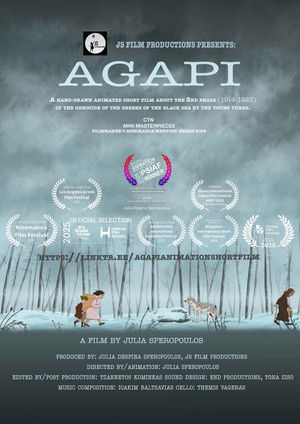
1914-1923 marked the 2nd phase of the Genocide of the Greeks of the Black Sea by the Young Turks. Agapi, her family, and the whole village’s Greek population are forced out of their homes and into a march in the snowy forest for 40 days. Will they survive the ordeal? A hand drawn animated film with over 10,000 drawings that took more than 3 years to make by Julia Speropoulos.
The Devil of Comparisons (original title: El Demonio de las Comparaciones), was a 30-hour black & white silent film from 1929 by Narding Salome Exelsio (1883-1949). It explores the cyclical lives, deaths, and rebirths of Jose Rizal and his characters (played by hitherto unidentified actors) in a wasteland ruled by demons.
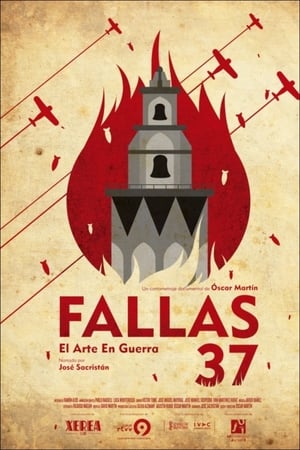
In November 1936, a few months since the beginning of the Spanish Civil War, the government of the Second Republic moves to Valencia. In this situation, several Valencian artists and intellectuals decide to build four fallas — satirical plasterboard sculptures created to be burnt — to mock fascism.
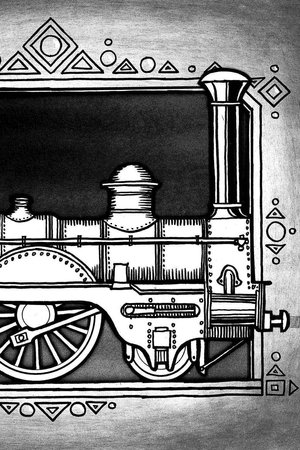
Tommy’s Train is a story about imagination, drive, and the power of a dream. Once existing as a tourist attraction in the city of Anacortes, Washington, Tommy Thompson’s Railway ran every summer from 1987 until 1999. The genuine steam locomotive and coaches were all hand built by Tommy in his garage workshop, and he maintained and operated the railway with his family.
Britain's first Muslim war heroine is tested to the limit as she faces her brutal captors in Nazi-occupied Paris for the last time.
The film is about Azerbaijan.
During the Revolutionary War, Emily, her daughter Sarah and her two young grandchildren have to look after themselves and run the family farm while the men fight for the patriots' cause. With winter approaching, crops dwindling and food shortages mounting, the women face their greatest fears when three lost British soldiers storm into their house demanding food, drink and anything else they can get their hands on.
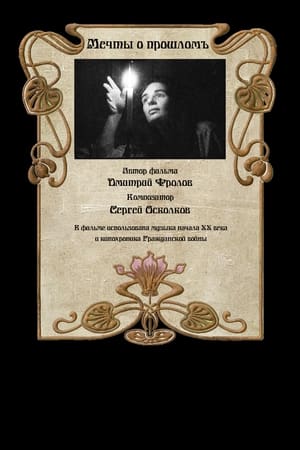
A film about peace, love and war. Dedicated to the 100th anniversary of the end of the Civil War in Russia. The film takes place at the end of the summer of 1917, when Russia and the whole world were at a crossroads between two eras. None of the people could even imagine how much his life would change in the very near future. In a strange way, the atmosphere of the film echoes our current reality and what is happening in Russia today. According to the form of visualization, the film belongs to experimental mockumentary cinema. To give greater authenticity to what is happening on the screen, the shooting was carried out on black-and-white negatives of 16 and 35 mm, hand-operated cameras were used and the material was developed in manual spiral tanks. The documentary chronicle of the Kolchak army of 1919 and the White army in the Far East of 1922 is embedded in the finale of the film.
During WW2 a boy tries to save himself and his baby sister from a German soldier.
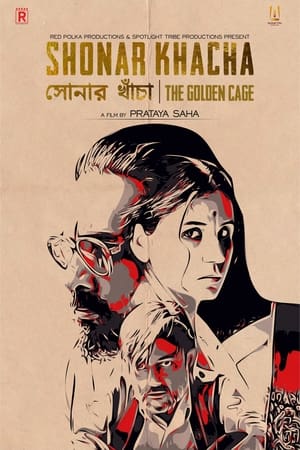
It is an early winter morning in Kolkata in 1989 and the palatial old "Roy Choudhury" house lies dilapidated, housing the last few members of a once huge affluent joint family. Rudro, the younger brother of the last generation, an under-confident, nondescript man in his mid-30s tries to convince Rajatabho, the eldest of the brothers to take up the offer of selling the house in a desperate attempt to save themselves from bankruptcy. Rajatabho, however, is unrelenting. Rudro, later tries to convince Anjali, Rajatabho's wife, to help change her husband's mind. Later in the day, a crying Anjali grinds down sleeping pills on her kitchen slab. She reminisces down memory lane through each nook and corner of the house as she does this. Finally, at dusk, as Anjali stands alone on the terrace holding a bottle of sleeping pills, Rajatabho suddenly arrives and they look eye to eye for the first time in months.
A sickly scrawny man in a striped uniform takes a shaving brush and foam, and with a sharp blade, he shaves the back of the head of Rudolf Höss, the commandant of the Auschwitz camp himself. They will never speak with one another, and Joseph (we only learn his name during the credits) will never harm Höss, will not stop the flood of horrible murders with yet another murder. This short sketch about life of a death camp makes us feel pain and grief of millions of people who had passed beyond the walls of the shaving room during the imprisonment of Joseph, the man who outlived his torturer.
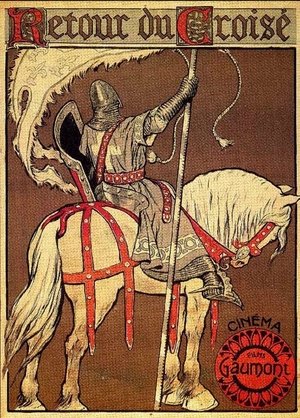
A French silent film directed by Louis Feuillade.
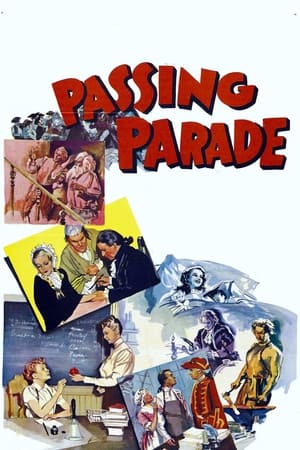
This MGM Passing Parade series short presents how separate events led to the creation of three provisions - freedom of speech, freedom of the press, and prohibition of the infliction of cruel and unusual punishments - in the U.S. Constitution's Bill of Rights.
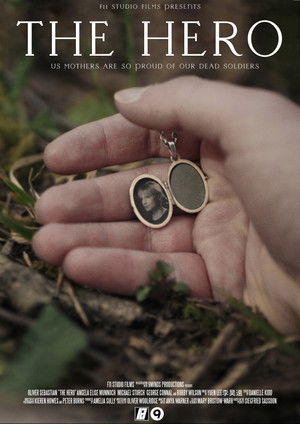
At the end of the Great War, a soldier burdened with informing a mother of her son's death, faces an impossible decision... Tell her a noble lie, or the horrible truth?
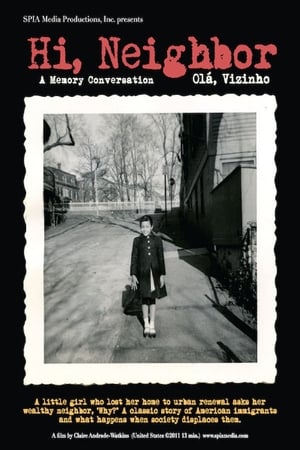
This experimental short film is about a little girl who lost her home to urban renewal, and asks her wealthy neighbor, "why?" The film is a prequel to Andrade-Watkins' documentary trilogy about the Cape Verdean community in Fox Point. "Hi, Neighbor" had its world premiere at the 2011 Cape Verdean International Film Festival and was awarded Jury Selection (first prize), in the 2012 Black Maria Film Festival.
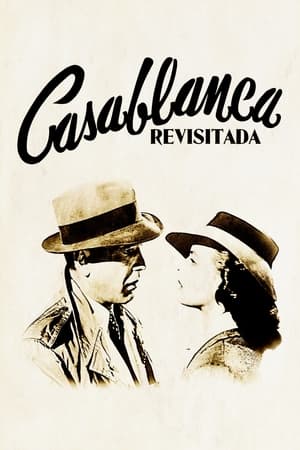
A lyrical and nostalgic analysis of how Casablanca, the mythical film directed by Michael Curtiz in 1942, has influenced both film history and pop culture.
Documentary on industrial lubrification.