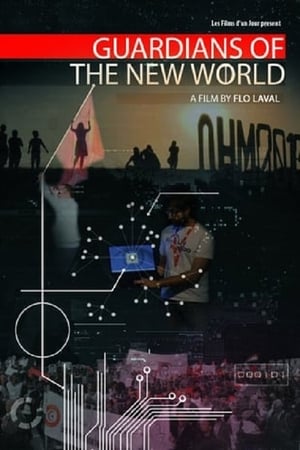
The make or break story of a Somali-Australian refugee who went back to where he came from to do battle with ruthless pirates and Islamic militants - and transform his broken homeland into a modern African State.
The ChipTune Story focuses on 8-bit music and the C64 SID chip. Featuring interviews with games 8-bit music composers Rob Hubbard, Chris Huelsbeck, Ben Daglish, Mark Knight. We look at the history of ChipTune from 8-bit to 16-bit sampling.
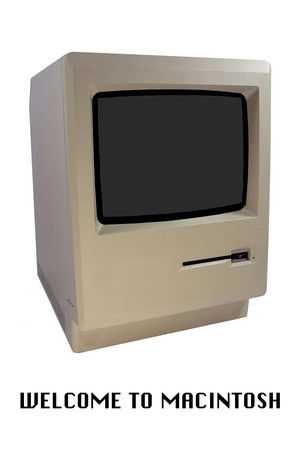
"Welcome to Macintosh" is a documentary that mixes history, criticism and an unapologetic revelry of all things Apple. Whether a long time Mac fanatic or new to computers, Welcome to Macintosh explores the many ways Apple Computer (now Apple, Inc.) has changed the world, from the early days of the Apple-I to the latest the company has to offer.
Emerging artists seek to stay afloat in their industry whilst the Covid pandemic induces career threatening lockdowns.
Hackers Wanted explores the origins and nature of hackers and hacking by following the adventures of Adrian Lamo, and contrasting his story with that of controversial figures throughout history.
Sparked by a public display of sexual harassment in 2012, GTFO pries open the video game world to explore a 20 billion dollar industry riddled with discrimination and misogyny. Every year, the gaming community grows increasingly diverse. This has led to a clash of values and women are receiving the brunt of the consequences every day, with acts of harassment ranging from name calling to death threats. Through interviews with video game creators, journalists, and academics, GTFO paints a complex picture of the video game industry, while revealing the systemic and human motivations behind acts of harassment. GTFO begins the conversation that will shape the future of the video game world.
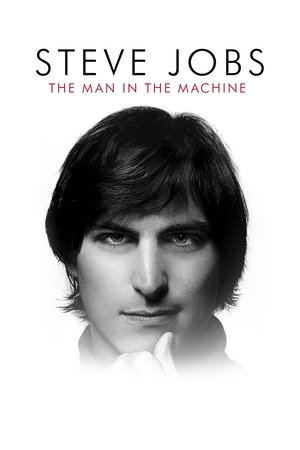
When Steve Jobs died the world wept. But what accounted for the grief of millions of people who didn’t know him? This evocative film navigates Jobs' path from a small house in the suburbs, to zen temples in Japan, to the CEO's office of the world's richest company, exploring how Jobs’ life and work shaped our relationship with the computer. The Man in the Machine is a provocative and sometimes startling re-evaluation of the legacy of an icon.
A desktop documentary about the online afterlife of the late French filmmaker, Chris Marker.
I recorded four years of the life of a great friend of mine in the attempt to catch some sort of catharsis. As I tried to deal with endings that were taking place in my life, the inevitable happened to him. His mother passed away without leaving any record on video. This is a movie to refrain from the fear of forgetting.
THE 414s tells the story of the first widely recognized computer hackers, a group of Milwaukee teenagers who gained notoriety in 1983 when they broke into dozens of high-profile computer systems, including the Los Alamos National Laboratory, a classified nuclear weapons research facility.
The Classic Game Insights series presents in-depth interviews with game developers, providing detailed accounts of their work on a particular classic game and the creation process involved. Each film is independent and concentrates on either a single, specific game or a series of games, with the creator personally guiding you through their development journey. Amiga: Classic Game Insights Vol 1 offers 3 hours of content that explores a range of iconic Amiga games, this is an essential viewing experience for anyone with an interest in the Amiga computer, its games, or game design as a whole.
A exploration of the fanaticism that surrounds the Apple brand, featuring interviews with Mac evangelists and members of the Mac community.
In The Realm of the Hackers is a documentary about the prominent hacker community, centered in Melbourne, Australia in the late 80's to early 1990. The storyline is centered around the Australian teenagers going by the hacker names "Electron" and "Phoenix", who were members of an elite computer hacking group called The Realm and hacked into some of the most secure computer networks in the world, including those of the US Naval Research Laboratory, Lawrence Livermore National Laboratory, a government lab charged with the security of the US nuclear stockpile, and NASA.
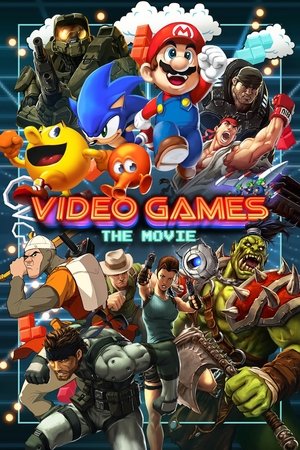
In thirty years, the video game has conquered an increasingly wide audience. Drawing on the recent work of economists, sociologists, experts and interviewing major players in this field, this investigation unravels the overwhelming domination of this new mass media.
The story of computers: from electronic tape and punched cards, to austere-looking robots.
In 1986, astronomer turned computer scientist Clifford Stoll had just started working on a computer system at the Lawrence Berkeley Laboratory when he noticed a 75-cent discrepancy between the charges printed by two accounting programs responsible for charging people for machine use. Intrigued, he deduced that the system was being hacked, and he determined to find the culprit. This is the re-enactment of how he tracked down KGB cracker Markus Hess through the Ethernet to Hannover, Germany.
GET LAMP is a documentary about interactive fiction (also known as text adventures) filmed by computer historian Jason Scott.
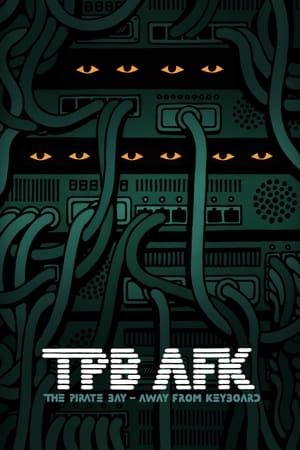
TPB AFK is a documentary about three computer addicts who redefined the world of media distribution with their hobby homepage The Pirate Bay. How did Tiamo, a beer crazy hardware fanatic, Brokep a tree hugging eco activist and Anakata – a paranoid hacker libertarian – get the White House to threaten the Swedish government with trade sanctions? TPB AFK explores what Hollywood’s most hated pirates go through on a personal level.
Kingdom Come: Deliverance is a unique single-player RPG set in the realistic world of medieval Europe. The path to its release was a long and complicated one: the game was rejected by publishers as too risky and its development was only possible thanks to the support of thousands of backers on Kickstarter. Even then, the developers still faced a whole range of obstacles due to the game's unconventional ideas and mechanisms. This documentary charts the more than six-year long, tortuous journey from the foundation of Warhorse Studios to the final release of the game.
In a world divided by the Iron Curtain, East Germany sought to carve its niche in the technological race. Enter "Robotron" - a name that seamlessly blended "robot" and "electronics." This wasn't just a brand; it was an ambitious answer to the West's technological advancements, a testament to the GDR’s drive to match, if not surpass, Western innovation. Drawing inspiration from the corporate giants of the West, the GDR‘s government merged various businesses to form this tech behemoth. With 16 major hubs in Central Germany alone, it was clear: "Robotron" was to be the DDR's technological crown jewel. But what was the Socialist Unity Party (SED), the GDR's ruling party, envisioning with this grand venture? How did "Robotron" navigate the challenges of operating within a socialist planned economy, while striving for global excellence? And as it grew to dominate East Germany's tech landscape, why did it always seem to be one step behind the leading global tech powers?