Bombarded by thousands of images every day, are we still able to truly see them, especially those of conflict and its aftermath? Helen Doyle takes us on a quest for the meaning of images and discovers a vast palette of contrasting images which shock and compel.
March 2020. Fabrizio, a photographer and filmmaker who lives in Luxembourg, returns to his family in central Italy after his father has suffered a heart attack. It’s the beginning of the pandemic, the country is in lockdown. An intimate diary and an ode to filial love in the face of the most trying circumstances a son can face. A tale of the soul and personal hardship in the context of a broader collective tragedy.
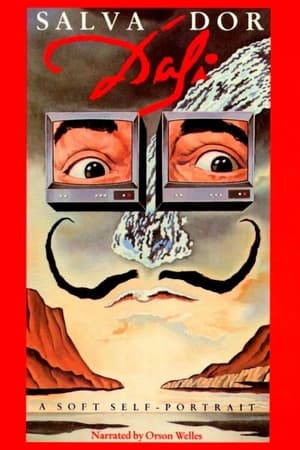
A documentary about surrealist artist Salvador Dali, narrated by Orson Welles.
‘Under the Weight of a Waking Dream’ is Zefier's debut swan song to the ending year. Comprised of poetry and endless enumerations is a diaristic film chronicling the lessons and contradictions found throughout the human experience.
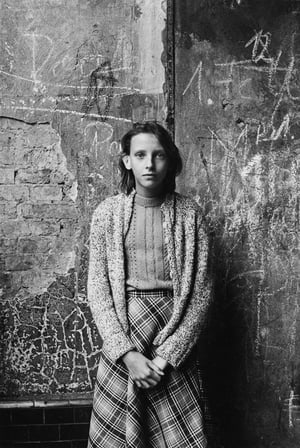
How have the changing views on children been reflected in their representation in art? From Baby Jesus to the first photographic portraits, an exploration of six centuries of art history through the prism of childhood.
Il mio nome è Battaglia
Alongside André Kertész and Man Ray, Germaine Krull invented the New Vision in photography, an innovative way of seeing and revealing the modern world. Recognized by the art world as one of the greatest photographers of the 20th century and a pioneer of photojournalism, Germaine Krull remains little known to the general public. Portrait of an artist, a great lover, and a free woman.
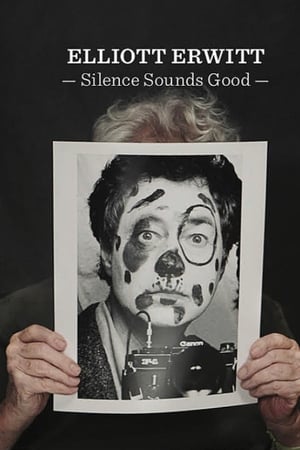
Elliott Erwitt has spent his entire adult life taking photographs, of presidents, popes and movie stars, as well as regular people and their pets. His work is iconic in world culture while his life is largely unknown.
A beautiful collection of pictures ties Frank Cancian, an elderly photographer and retired professor of anthropology, American with origin from Veneto, to the people of Lacedonia, a small town in southern Italy. Thanks to the rediscovery of the photos taken in 1957 by the young Cancian in that rural village where he had arrived almost by chance, the story resumes there where it was interrupted 60 years earlier. And the thread of memories ties back to people and places, bringing with itself some essential reflections on how photography can become an ethnographic look at small communities.
Walker Evans/America profiles the great American photographer Walker Evans (1903-1975), whose style influenced a entire generation of photographers. He is best known for his collaboration with writer James Agee on the book "Let Us Now Praise Famous Men", which illustrated the plight of tenant farmers during the Great Depression. A pioneer of the documentary style of photography, Evans was the first photographer to have a one-man retrospective at The Museum of Modern Art. His photographs, from southern sharecroppers to New York subway riders, are point-of-view images that reflect his distinctive vision of America. Walker Evans/America contains rare interviews with Evans himself, recorded by filmmaker Sedat Pakay while a student at Yale University in the late 1960s.
Errol Morris examines the incidents of abuse and torture of suspected terrorists at the hands of U.S. forces at the Abu Ghraib prison.
A tribute to the cameramen of the newsreel companies and the service film units, in the form of a compilation of film of the cameramen themselves, their training and some of their most dramatic film.
Bunny Yeager, once heralded as the world's prettiest photographer, had a huge influence in 20th-century pop culture though few people know her name. Whether by popularizing the bikini, helping discover Bettie Page, shaping the image of Playboy or inventing the selfie, Bunny was a trailblazer whose work bucked against conservative 1950s America and helped pave the way for the feminist movement and the sexual revolution. Yet the very changes she helped usher in would soon render her a forgotten relic...till now.
An experiment and a dialogue about recording, the act of filming and the colors available to whoever points the camera somewhere.
The perfectionist Life magazine photojournalist, famous for his pictures of Elvis, Jackie, and Marilyn, makes an emotional return to France, where he and his Jewish mother almost during World War II.
An experimental film about narrations of two journal photos from Iran's revolution in 1979.
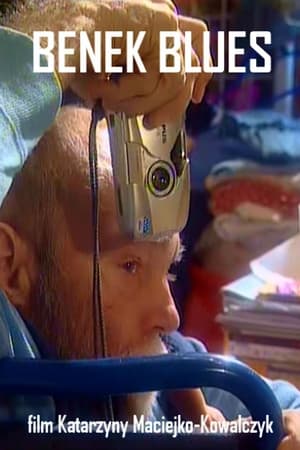
The action is placed in a cramped flat in Warsaw’s district of Ochota. A father and a son, both bedridden, live in a fascinating symbiosis. The son, a well‑known photographer Bernard ben Dobrowolski, is lying in bed because a chronic condition has deformed his body and immobilized him. The father, Dominik, has recently suffered from a stroke. Now they are taking care of each other and crowds of visitors move through their room.
In 2011, photographer Tanja Hollander decided to visit each one of her Facebook "friends" (all 626 of them) in their homes and make formal portraits of each of them. Armed with her cameras and iPhone, Tanja traveled throughout the U.S. and around the world for 5 years, meticulously documenting her experiences in real time and creating a historical narrative, both visual and written, along the way. Her project is an exploration of friendships, the effects of social networks, the intimate places we call home and the communities in which we live.
Antonia Quirke looks at the history of the colour film industry to find out who produced the first moving colour images.
"Flight Photographers" is an engaging look at the dynamic world of aviation photography, showcasing the passion and skill of both enthusiasts and professionals. Exciting stories and breathtaking images, highlight the art and adventure of capturing the beauty of flight.