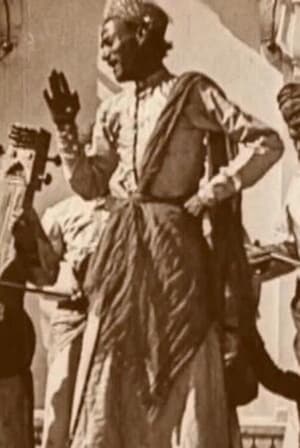
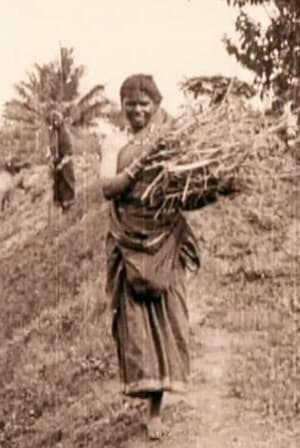
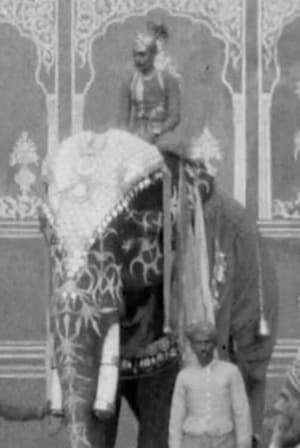
A 1962 West German documentary film directed by Hermann Leitner and Rudolf Nussgruber.
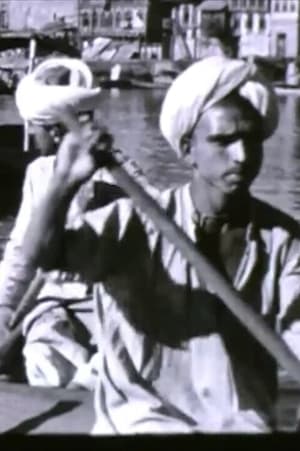
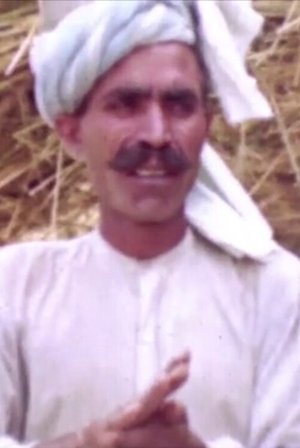
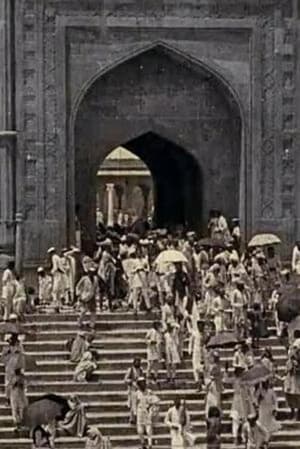
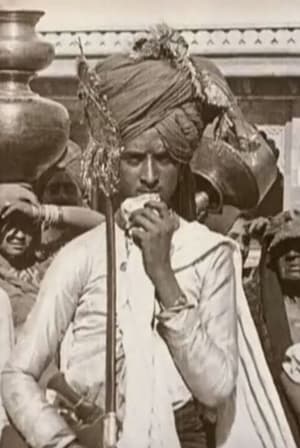
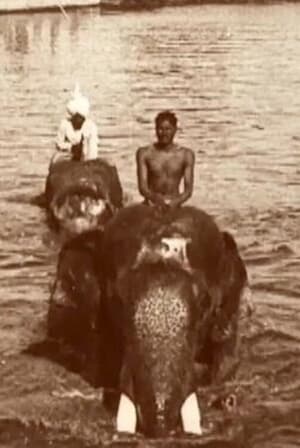
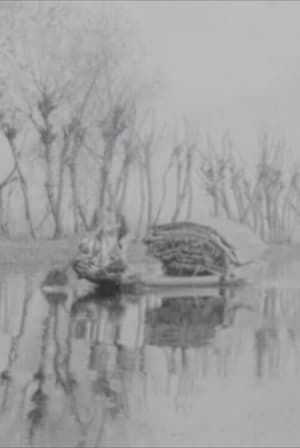
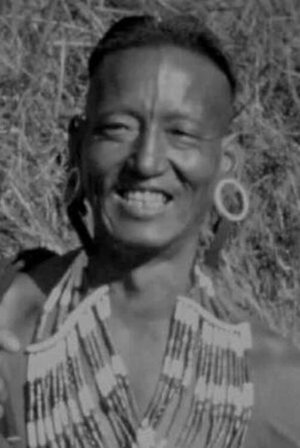
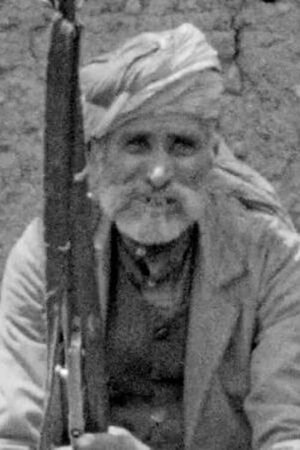
A stunning trek from the vale of Kashmir, via Sind Valley and Kargil and Lamayaru Monastry.
In 1937, tens of thousands of Haitians and Dominicans of Haitian descent were exterminated by the Dominican army, on the basis of anti-black racism. Fast-forward to 2013, the Dominican Republic's Supreme Court stripped the citizenship of anyone with Haitian parents, retroactive to 1929, rendering more than 200,000 people stateless. Elena, the young protagonist of the film, and her family stand to lose their legal residency in the Dominican Republic if they don't manage to get their documents in time. Negotiating a mountain of opaque bureaucratic processes and a racist, hostile society around, Elena becomes the face of the struggle to remain in a country built on the labor of her father and forefathers.
About the extraordinary doctors and activists—including Paul Farmer, Jim Yong Kim, and Ophelia Dahl—whose work 30 years ago to save lives in a rural Haitian village grew into a global battle in the halls of power for the right to health for all.
A visit to Singapore, an essential port city in Britain's empire, established in 1813 when Raffles negotiated its separation from the independent Malay state of Jahor. The camera observes Singapore's traditional neighborhoods, trade, and small craft, which are dominated by people of Chinese ancestry. Then, we drive the modern causeway to Jahor's small capital, Johor Bahru, for a look at imposing buildings and a visit to the grounds of the sultan. The sultan's son invites the crew in, and we meet the sultan, "H.H." himself. The narrator relates the sultan's commitment to commerce, economic well-being, and tolerance, stemming in part from his European education.
This Traveltalk series short visit to Kentucky starts with a view of the Cumberland River, which flows for about 700 miles through the state. The first stop is Old Fort Harrod State Park, which has a replica of the original fort, the first permanent white settlement in the state. We then visit the grave sites of two of Kentucky's favorite sons, Henry Clay in Lexington and Daniel Boone in Frankfort. At My Old Kentucky Home State Park, we see the mansion and grounds that inspired composer Stephen Foster to write the song most associated with the state. We then visit three horse farms in the area of Lexington, the state's horse racing capital: Spindletop Farm; Faraway Farm, where we are introduced to Man o' War, the greatest racehorse of the 20th century; and Elmendorf Farm, where Man o' War's sire and dam, Fair Play and Mahuba, are buried.
This Traveltalk short visits southern Mexico.
This Traveltalk series short starts off in Denver, capital of Colorado. Known as a recreational and health center, it is noted for its beautiful parks. The Museum of Natural History has specimens of local animal life. About an hour's drive from Denver on Lookout Mountain is the grave of Col. William Cody, 'Buffalo Bill', known as a scout and a plainsman. In Colorado Springs, there is a monument to the great American humorist Will Rogers who loved the stretches of open country. Much of the mountain area of Colorado is owned by the Federal government as national forest and there are many well stocked trout streams. In Mesa Verde National Park you will find the cave dwellings once used by Native Americans.
The remote island of St. Helena, a British possession located in the south Atlantic, is perhaps best known as where Napoleon Bonaparte was exiled/imprisoned for the final six years of his life and where he died in 1821. His legacy on the island remains today, despite his body being disinterred and moved back to France in 1840. His home was at Longwood, one area of the island now ceded to the French in respect of its former resident. The island was discovered and named by the Portuguese in 1502. Until the British took over, many other European countries had or wanted possession of the island because of its location along natural trade routes. Jamestown is the island's only port, named after King James. With 4,000 inhabitants, St. Helena is self supporting, growing primarily potatoes and flax. However, its primary economic generator is the sale of the rare St. Helena postage stamp.
Lake Patzcuaro, located 230 miles west of Mexico City, is one of the highest and most picturesque bodies of water in Mexico. The heritage of the indigenous peoples of the area, the Tarascans, still prevails, such as the production of lacquer-ware handicrafts, and the means of hunting and fishing, the latter which uses nets shaped like large butterfly wings. Although most current day Tarascans are Roman Catholic, they have not totally abandoned their indigenous pagan gods. On Janitzio, one of the many islands in the lake, stands a large statue commemorating José María Morelos, a prominent figure in Mexican liberation and a great benefactor to the Tarascans. Janitzio is also the inspiration for many famous paintings. The town of Tzintzuntzan just inland from the lake's shore acts as the regional center for the market and for festivals.
This Traveltalk series short starts in San Salvador, El Salvador's capital, emphasizing the Spanish architectural heritage. We then go to the Izalco Volcano, which was created in 1770 by an eruption of the Santa Ana Volcano. The focus then shifts to the country's agriculture. The two main products are coffee and henequen, a plant with tough, fibrous leaves used to make rope, baskets, and other products.
Pilot JP Schulze and filmmaker Louis Cole set off to circumnavigate the world in a single-engine, 1974 Cessna T210L airplane named Balloo. They had 90 days to complete the journey, and as they traveled they met people from many different cultures and asked them - is what divides us greater than what brings us together?
A short documentary about Thailand, formerly known as Siam.
In this ultimate guide to Scandinavia travelers Megan McCormick, Ian Wright and Neil Gibson explore Denmark, Sweden, Norway, Lapland, Finland and the Baltic States. From enjoying a traditional Viking festival to crossing the Arctic Circle into Lapland for dinner with reindeer herders to a visit to the capital of Lithuania, Vilinus, and the Midsummer Night Festival in Kernave, these hosts will introduce the viewer to a variety of sites and attractions during their Scandinavian tour.
This Traveltalk series short visit to the province of Ontario begins in Ottawa, Canada's capital, then proceeds to Algonquin Park, Toronto, and Niagara Falls.
This travelogue emphasizes Copenhagen's harmonious residents and tone. We see well-known landmarks and get a quick history of some of them.
This Traveltalk series short looks at four of Spain's most famous cities, Granada, Seville, Toledo, and Madrid, with an emphasis on the Moors and their influence on the country.
When Tomoko finds some messages for a 'Mr Smith' on a lost mobile phone, she finds herself on an 'Alice in Wonderland' journey through Tokyo's boulevards and back alleys. From the tyranny of symmetry in soaring office blocks - to buildings that look like space-ships, this creative documentary shows us the city's soul.
Haïti Chérie is a respond to the 2010 earthquake in Haiti. A few weeks after the catastrophe Huber carries out a performance over the snowy, seemingly endless, frozen sea in Finland, waters carrying on to reach the coasts of Haiti. Snow angels drawn by Huber’s body symbolize sorrow and lives lost, but also solidarity and hope.
Spalding Gray sits behind a desk throughout the entire film and recounts his exploits and chance encounters while playing a minor role in the film 'The Killing Fields'. At the same time, he gives a background to the events occurring in Cambodia at the time the film was set.