The antithesis of the virile heroes of his era, James Dean shook up the representation of adolescence and masculinity in three films shot in 1955, the same year he died in a car accident at the age of 24—exactly seventy years ago: Rebel Without a Cause, East of Eden, and Giant. This meteoric rise made him an instant icon, frozen in eternal, rebellious youth, which still resonates strongly today.
Handbook of Movie Theaters' History is a documentary about the history, the development in the present days and the future of movie theaters in the city of Turin, Italy. It mixes the documentary language with comedy and fiction, and is enriched by interviews to some of the most important voices of Turin cinematography. The film follows the evolution of movie theaters by enlightening its main milestones: the pre-cinema experiences in the late 19th Century, the colossals and the movie cathedrals of the silent era, the arthouse theaters, the National Museum of Cinema, the Torino Film Festival, the movie theaters system today and the main hypothesis about its future. The mission of Handbook of Movie Theaters' History is to explore and give back to the audience a deep reflection about the identity and the value of movie theater, in its social and anthropological role and as a mass media, and to analyze the experience of the viewer.
An oral history exploring the development of film projection and cinema in Kingston-on-Thames - from resident innovator Eadweard Muybridge through the heyday, decline, and re-emergence of cinema. Features interviews with historians, projectionists and usherettes as well as cinema-goers with rare footage and images from Kingston’s cinemas.
Cine Dunas
Jeff Towne revisited four years after the release of the original film.
Guillermo del Toro, Rian Johnson and other film luminaries look back at LA's historic Egyptian Theatre as it returns to its former movie palace glory.
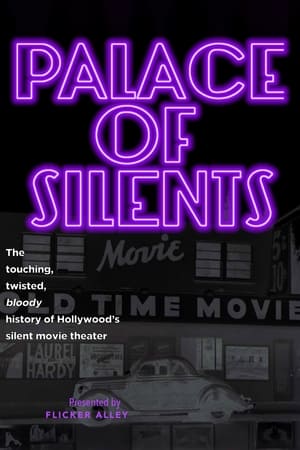
Built in 1942 by a maverick film preservationist, this small Los Angeles theater championed silent film at the very moment when the Hollywood studios across town were busily destroying their nitrate inventories. With hard chairs, phonograph-record accompaniments, and mostly original vintage prints, the dingy mom-and-pop operation was nonetheless a palace to the fanatical few who became its loyal audience.
In the excitement of the roaring 20s, a new kind of movie palace was constructed by the Bay. More than 90 years later, Tampa Theatre has become known as one of the most haunted buildings in the city, This Documentary uncovers the rich history and explores the unexplained events with a Team of Historians, Ghost Hunters and Staff.
Celebrating the splendor and grandeur of the great cinemas of the United States, built when movies were the acme of entertainment and the stories were larger than life, as were the venues designed to show them. The film also tracks the eventual decline of the palaces, through to today’s current preservation efforts. A tribute to America’s great art form and the great monuments created for audiences to enjoy them in.
An independent documentary about the unprecedented struggles of movie theaters and the film industry as a whole during the COVID-19 pandemic
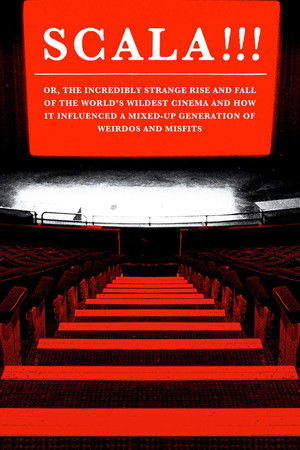
This feature-length big screen documentary tells the riotous inside story of the infamous sex, drugs and rock 'n' roll repertory cinema which inspired a generation during Britain's turbulent Thatcher years.
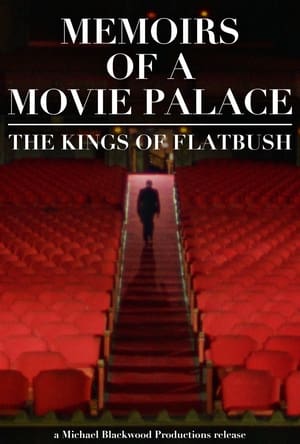
When Brooklyn's Kings Theater -- one of five "Wonder Theaters" in the New York area -- closed its doors in 1977, the neighborhood mourned. In a series of interviews, local aficionados of the palace as well as its projectionist, its organist, and former employees, reminisce about the Kings and its charmed days gone by.
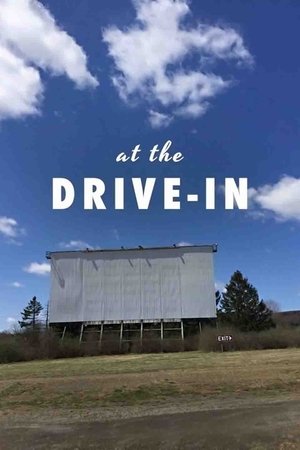
Unable to purchase a $50,000 digital projector, a group of film fanatics in rural Pennsylvania fight to keep a dying drive-in theater alive by screening only vintage 35mm film prints and working entirely for free.
Paying tribute to some of America's only surviving drive-ins – and those who keep them running – this heartfelt documentary captures efforts to preserve these nostalgic theaters in small-towns across the country.
A short experimental documentary is filmed at the last drive-in movie theater in Los Angeles, located in a desolate area called the City of Industry. Floating within a backdrop of smokestacks, beacon towers and passing trains, dislocated Hollywood images filled with apocalyptic angst are re-framed and reflected through car windows and mirrors as the displacement of the radio broadcast soundtrack collides with the projections upon and surrounding the multiple screens. In VINELAND, the nocturnal landscape is seen as a border zone aglow with dreamlike illusions revealing overlapping realities at the intersection of nostalgia and alienation.
Downtown Recife’s classic movie palaces from the 20th century are mostly gone. That city area is now an archaeological site of sorts that reveals aspects of life in society which have been lost. And that’s just part of the story.
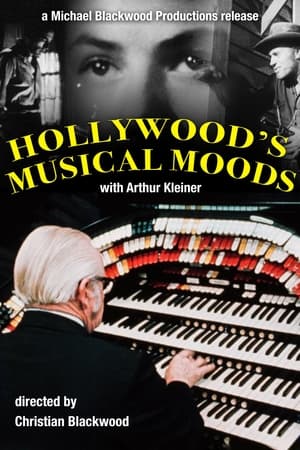
In the silent film era, movies were never really silent. In the background of films that made figures like Charlie Chaplin and Buster Keaton into cultural icons, were the musical giants whose compositions defined the very films that captivated a generation of movie-goers. Arthur Kleiner converses with the still-living legends from that bygone golden age of cinema.
ONLY IN THEATERS, a film by actor/director Raphael Sbarge, is an intimate and moving journey taken with the Laemmle family, spanning nearly three years of challenges, losses, and personal triumphs. Laemmle Theatres, the beloved 84-year-old arthouse cinema chain 3rd generation family business in Los Angeles, is facing seismic change and financial pressure. Yet the family behind this multigenerational business – whose sole mission has been to support the art of film – is determined to survive.
A nostalgic, informative history of drive-in movie theaters, featuring extensive archival photographs and interviews with Leonard Maltin, John Bloom, Samuel Z. Arkoff, Barry Corbin and many others... Drive-In Movie Memories is a film celebration of America's greatest icon of youth, freedom and the automobile. What began as an auto parts owner's business venture to make some easy money accidentally became a magical place where romance, fun and a sense of community flourished. This film chronicles the drive-in's birth and development, its phenomenal popularity with audiences of all ages, its tragic decline, and its inevitable comeback as a classic form of Americana.
Inaugurated in 1930, the Capitol has been able to survive through 90 years of successive ownership by prestigious families such as the Namazies or the Shaw brothers, and today by Perennial Holdings, as well as of various historical, cultural and architectural vicissitudes, always reborn like a phoenix, thus mirroring not only the cinematic history of Singapore, but also reflecting the many cycles of change that the city went through.