An Okinawan photographer, Mao Ishikawa spent her early 20s working as a barmaid in establishments catered specifically to African American GIs stationed in Okinawa. “There was love,” as the tagline reads, her photography book, 『Red Flower – The Women of Okinawa』 captured the diaristic intimacy of friendships, love affairs, and wild nights shared amongst her social circle of that time.
Adopted Montreal filmmaker Adrian Wills discovers, on camera and in real time, the startling truths of his complex beginnings in Newfoundland. Shocking details drive Wills to the core of his birth mother’s resilience, and ultimately his own. In this moving feature documentary that combines 16mm footage and contemporary images with deeply personal conversations, Wills’ voyage transforms from an urgent search for identity into a quest to give a quiet girl her voice.
A handful of prisoners in WWII camps risked their lives to take clandestine photographs and document the hell the Nazis were hiding from the world. In the vestiges of the camps, director Christophe Cognet retraces the footsteps of these courageous men and women in a quest to unearth the circumstances and the stories behind their photographs, composing as such an archeology of images as acts of defiance.
Jeff Wall is one of the most important and influential photographers working today. His work played a key role in establishing photography as a contemporary art form.
The joys of 1960s modern education - as seen at a not-exactly-typical local comp.
Paco and Manolo are two Catalan photographers from the outskirts of Barcelona who have been working together for thirty years as if they were a single person, capturing their images in Kink magazine, a very personal photography fanzine with a homoerotic aesthetic of Mediterranean essence.
James Andersen: Over 50 Years of Taking Pictures is a culmination of photos, films that are brought to life with Andersen's own words. The James Andersen collection documents over 50 years of community life in and around Makkovik, Labrador. The stories that accompany "Uncle Jim's" work explain why for over 50 years he has never been without a camera as he documented daily rituals and life. Andersen does not shy away from telling these stories but shares them with conviction and with a voice that honours each event's importance; the church being rebuilt, fish being caught, and stories of sickness and death are each told with the same reverence.
The cod fishery off the east coast of Newfoundland was a way of life, the backbone of society -- until it collapsed. A review of the history leading up to the crisis and the subsequent call for a moratorium of the northwest Atlantic cod fishery.
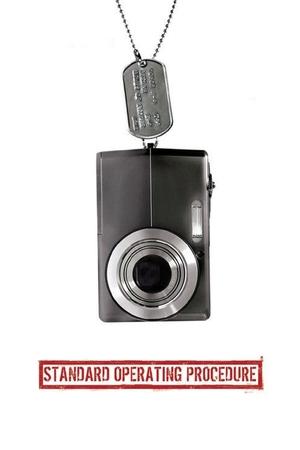
Errol Morris examines the incidents of abuse and torture of suspected terrorists at the hands of U.S. forces at the Abu Ghraib prison.
Traces the life and mental illness of New York artist and photographer Ruth Litoff, and her sister's struggle to come to terms with her tragic suicide.
Ich lebe in der Gegenwart - Versuch über Hans Richter
Walter Mittelholzer - Eine Schweizer Pioniergeschichte
In the year following the 9/11 terrorist attacks, young journalist Claude Baechtold finds himself in the war zone of Afghanistan. Not entirely voluntarily, the avowed anti-militarist is dragged by two fearless reporters on a round trip through the entire country.
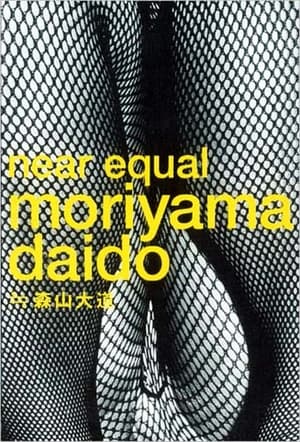
A documentary that follows the life of photographer Daido Moriyama in the present, which has never been revealed before. Even though his charismatic presence has reigned over the world of photography since the late 60’s, his true persona had been hidden behind a veil of mystery, since he had refused any major appearances in front of any media in the past. Follow the charismatic photographer Daido Moriyama as he takes his first digital photos and observe his style of quick snapshots without looking in the finder. His stark and contrasting black and white images symbolize his fervent lifestyle.
With simple ceremony on Parliament Hill, Ottawa, Newfoundlanders are welcomed as fellow-Canadians. Prime Minister St. Laurent starting off the carving of Newfoundland's coat of arms in the tenth and formerly blank shield over the entrance to the Parliament Buildings, writing in stone another chapter of Confederation. So begins this survey of Canada's tenth province, Newfoundland, its resources and how its people live. The film takes us to St. John's, Corner Brook, Bell Island, and includes a visit to Labrador where we see the giant airport at Gander.
A contemplation of art and adventure in the southern wilds of New Zealand by both a landscape photographer and an adventure filmmaker. This film is the unexpected result of their two unique perspectives.
The best known, "Weegee's New York" (1948), presents a surprisingly lyrical view of the city without a hint of crime or murder. Already this film gives evidence, here very restrained, of Weegee's interest in technical tricks: blur, speeded up or slowed-down film, a lens that makes the city's streets curve as if cars are driving over a rainbow. - The New York Times
The Bokelberg photographic collection brings to life the Paris of the Belle Époque (1871-1914), an exhibition of workshops and stores with extremely beautiful shop windows before which the owners and their employees proudly pose, hiding behind their eyes the secret history of a great era.
A tribute to the cameramen of the newsreel companies and the service film units, in the form of a compilation of film of the cameramen themselves, their training and some of their most dramatic film.
The life of internationally renowned artist and activist Nan Goldin is told through her slideshows, intimate interviews, ground-breaking photography, and rare footage of her personal fight to hold the Sackler family accountable for the overdose crisis.